State and Local Policy
AlabamaArizonaCaliforniaCA LegislationCalifornia Air Resources Board (CARB)California Energy Commission (CEC)California Public Utilities Commission (CPUC)ColoradoConnecticutDelawareDistrict of ColumbiaFloridaGeorgiaHawaiiIdahoIllinoisIndianaKentuckyLouisianaMaineMarylandMassachusettsMichiganMinnesotaMississippiMissouriMontanaNevadaNew HampshireNew JerseyNew MexicoNew YorkNYSERDAPublic Service CommissionNorth CarolinaNorth DakotaOhioOntarioOregonPennsylvaniaRhode IslandSouth CarolinaTennesseeTexasUtahVermontVirginiaWashingtonWest VirginiaWisconsinWyoming
New York Power Authority
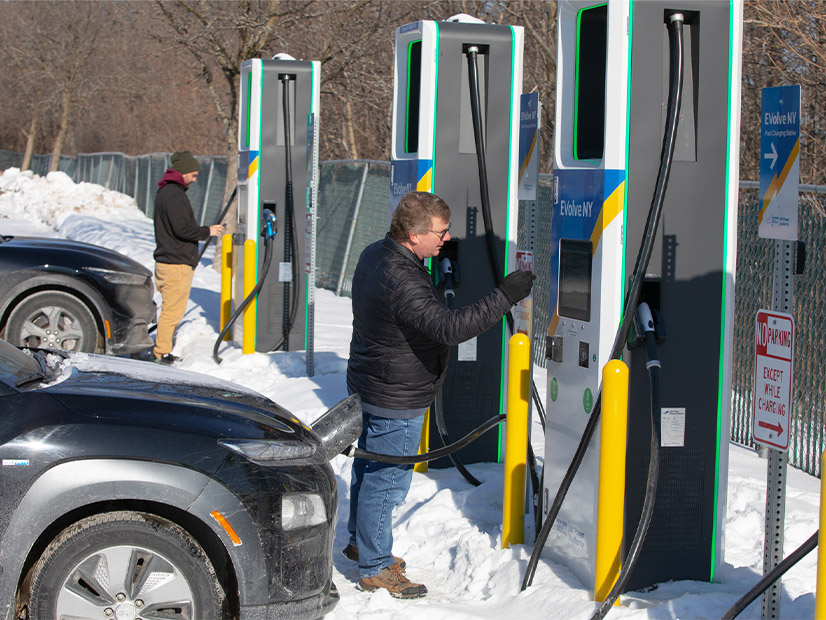
Four New York House of Representatives committees convened a hearing to identify existing EV charger deployment plans and ways to expedite the build-out.
New Jersey Department of Transportation
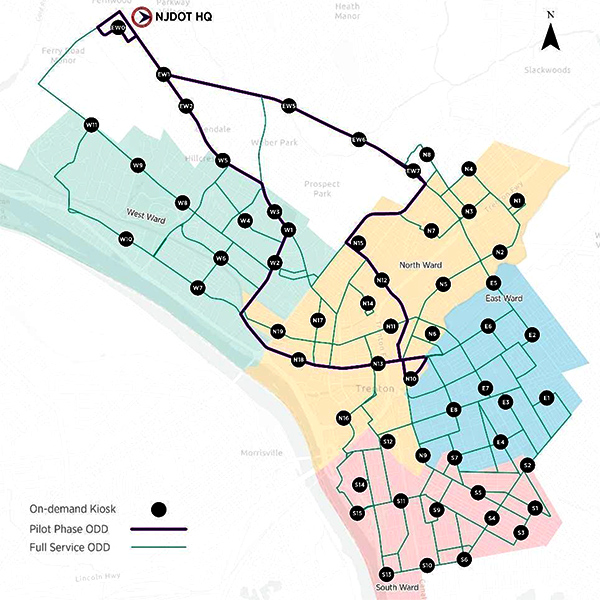
New Jersey is putting up $5 million to fund the launch of a project that will put 100 self-driving electric vehicles to work in the state’s capital.
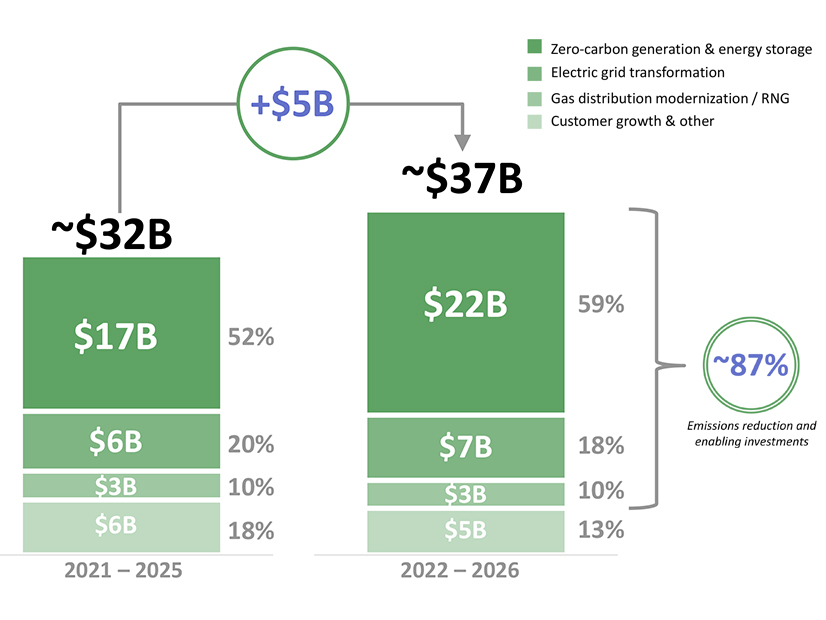
By 2030, Dominion's generation in South Carolina will be coal-free, while it will “have only two remaining facilities in Virginia,” CEO Robert Blue said.
CPUC
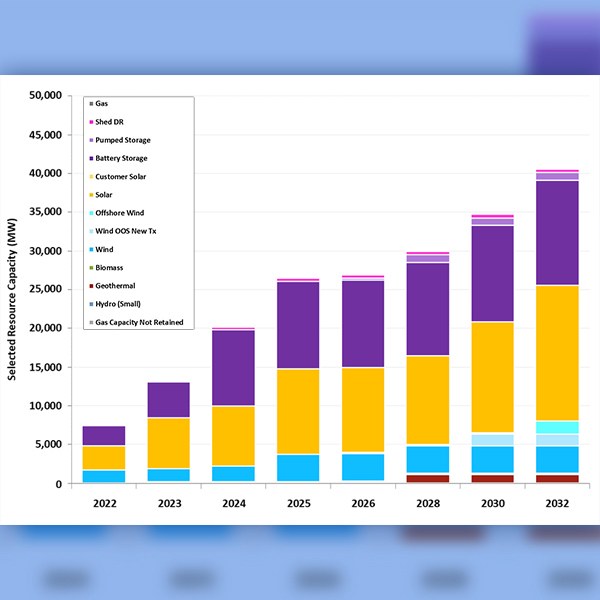
The California PUC ordered the electric sector to reduce greenhouse gasses and adopted a plan to add 40 GW of new clean resources at a cost of $49 billion.
NV Energy
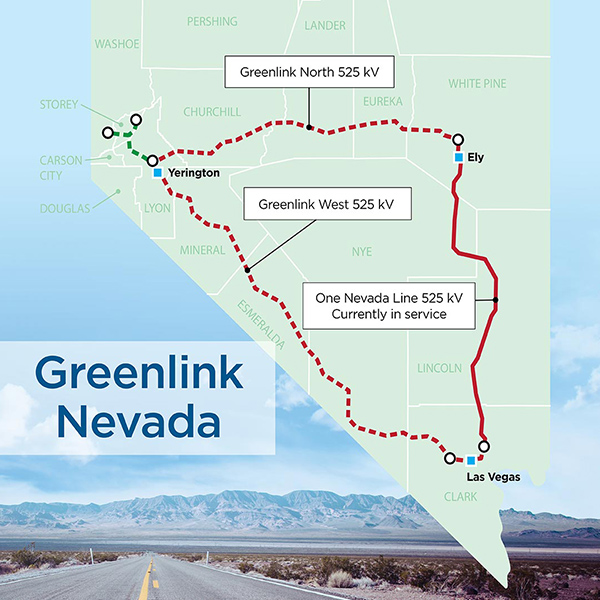
Nevada regulators have approved NV Energy’s $901 million Greenlink North project and two major solar-plus-batter storage projects proposed by the utility.
© RTO Insider LLC
Oregon regulators began a proceeding to determine how to incorporate ambitious clean energy and social equity goals into utility resource planning.
Shutterstock
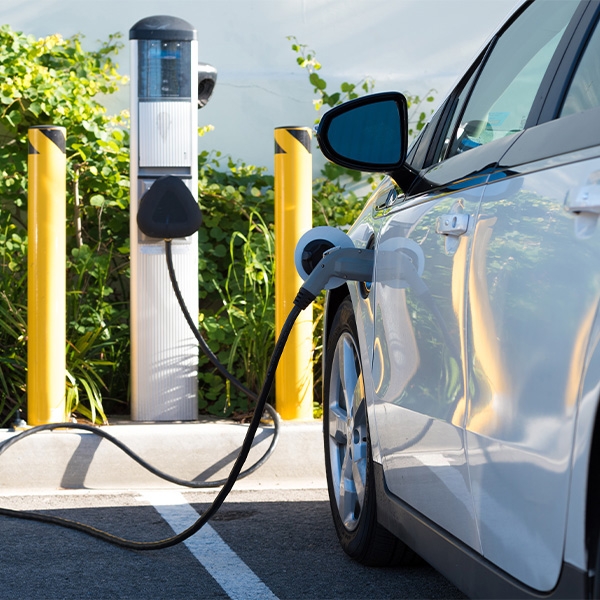
States will receive more than $600 million in funding for EV charging in 2022, the first installment of $5 billion promised in the infrastructure bill.
© RTO Insider LLC
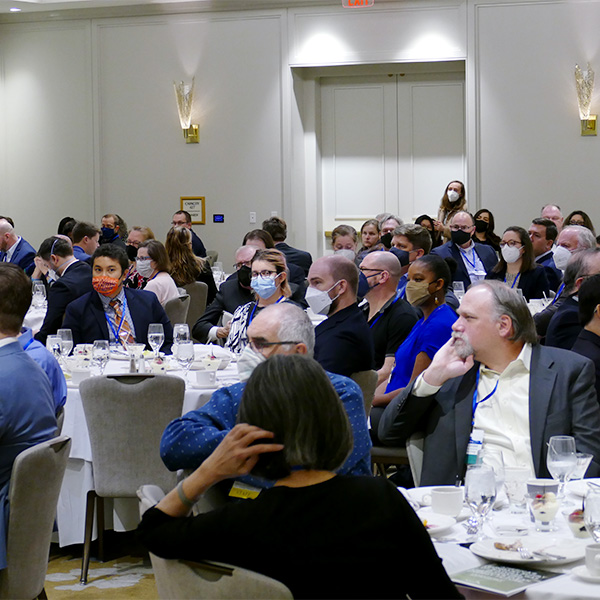
State and federal officials say they are laser-focused on the millions of dollars that will soon be going to states from the bipartisan infrastructure bill.
NYSERDA
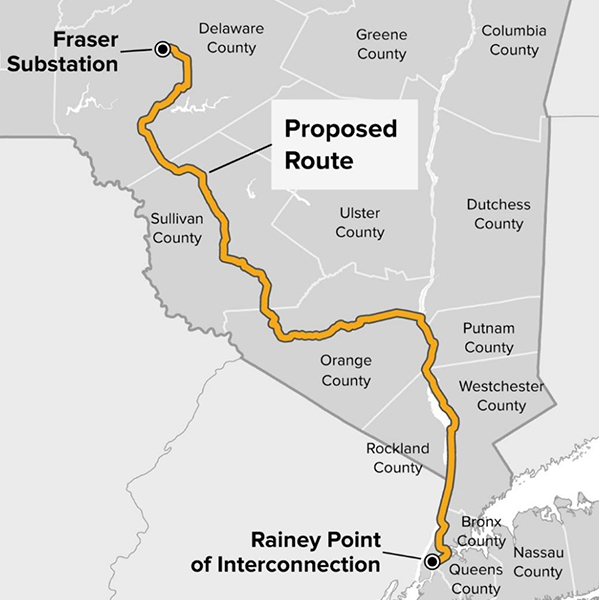
New Yorkers were generally in support of the entirely in-state Clean Path NY transmission project and opposed to the line to import Canadian hydropower.
Shutterstock
Washington lawmakers are considering a bill to apply a per-mile charge to EVs to compensate for expected lost gas tax revenues.
Want more? Advanced Search