© RTO Insider
CAISO is proposing a set of tariff changes for submission to FERC early in 2026 to help ease participants into the ISO’s new Extended Day-Ahead Market.
New York Governor's Office
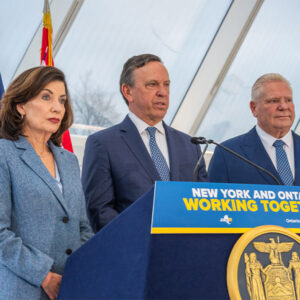
NYPA and OPG will share information, resources and institutional knowledge to support the economic, technology and workforce initiatives needed for advanced nuclear development on both sides of the border.
DOJ
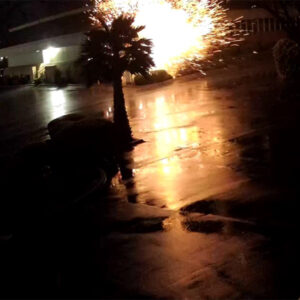
A federal judge sentenced Peter Karasev to 10 years in prison for bombing transformers owned by Pacific Gas and Electric in 2022 and 2023.
© RTO Insider
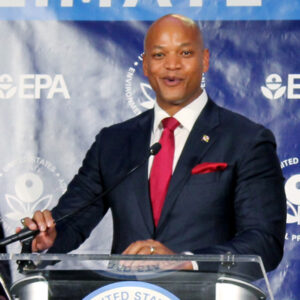
Gov. Wes Moore issued an executive order calling for reforms to boost electricity supply and ensure affordability, which will be implemented in part by the new executive director at the Maryland Energy Administration, Kelly Speakes-Backman.

Related Digital
The Michigan Public Service Commission approved a special contract that will allow DTE Energy to continue its plans to supply a hotly contested, $7 billion data center with nearly 1.4 GW.
RTO Insider
© RTO Insider
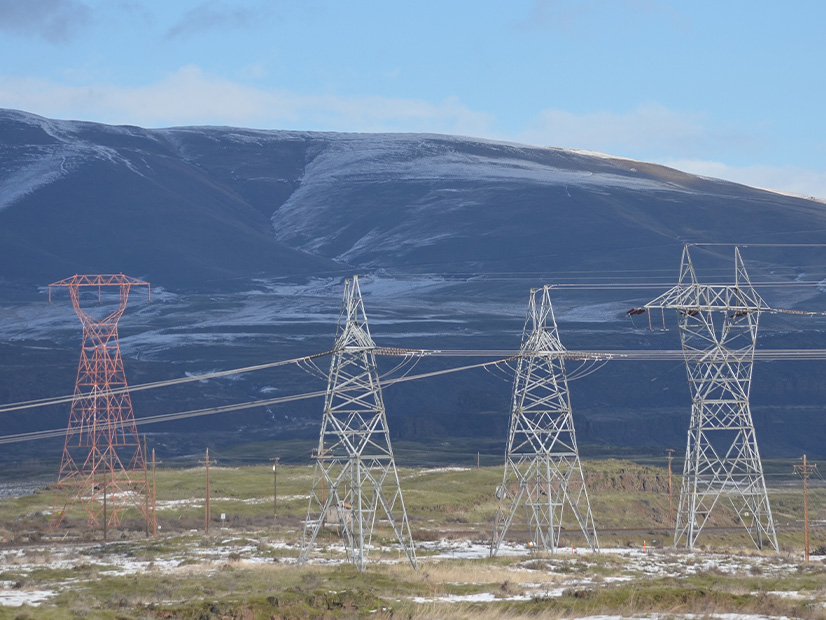
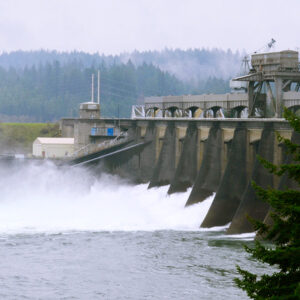
The Bonneville Power Administration announced it has triggered a $40 million surcharge to rebuild financial reserves depleted after three years of low water, saying the move could lead to an annual average effective rate increase of 2.2% for most power sales.
Future participants in CAISO’s EDAM have already held extensive talks about developing an alternative to the Western Power Pool’s WRAP for non-CAISO EDAM members, NV Energy confirmed in a filing with Nevada utility regulators.
FERC told PJM to change its rules to allow for co-located load at generators, with new transmission services and other tweaks.
ERO Insider
TransAlta
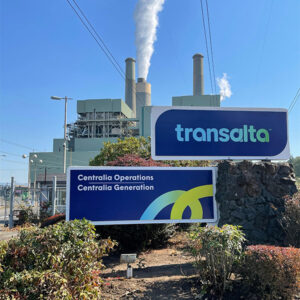
Citing an energy “emergency” in the Northwest this winter, DOE ordered TransAlta to continue operating Washington’s last coal-fired generating plant for three months beyond its scheduled retirement at the end of this year.
The Cybersecurity and Infrastructure Security Agency updated its critical infrastructure cybersecurity goals to address emerging cybersecurity risks.
A new white paper from The Brattle Group and cybersecurity firm Dragos is sounding the alarm about the potential cybersecurity vulnerabilities posed by battery energy storage system infrastructure.
NetZero Insider
Shutterstock
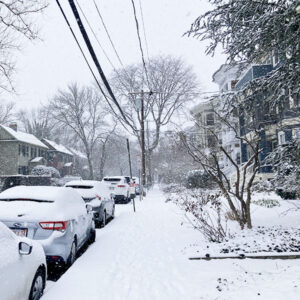
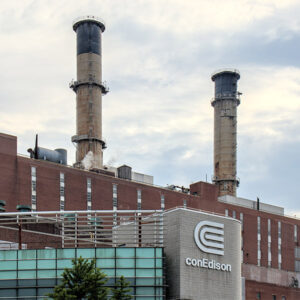
Consolidated Edison has been tasked with creating a contingency plan to avert the energy shortfall that it and NYISO have warned may develop in New York City.
Representatives of Connecticut, Maine, Massachusetts and Vermont have selected a cumulative 173 MW of new solar generation through a coordinated procurement process.
The newest iteration of New York’s energy roadmap maintains a zero-emission grid as a target but acknowledges an uncertain path to that goal, and likely a longer reliance on fossil fuels.