Resource Adequacy
Resource adequacy is the ability of electric grid operators to supply enough electricity at the right locations, using current capacity and reserves, to meet demand. It is expressed as the probability of an outage due to insufficient capacity.
Grid Strategies
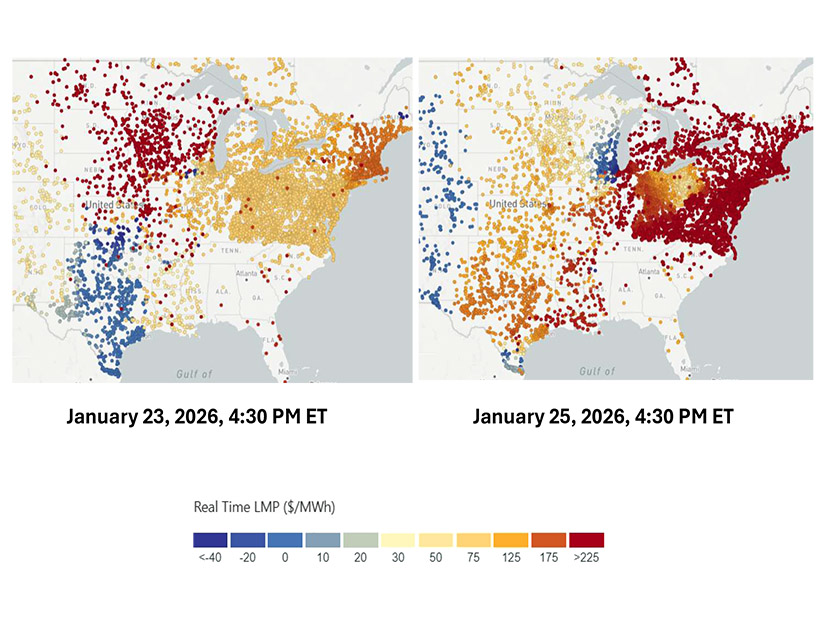
NERC CEO Jim Robb said in congressional testimony that while the bulk power system made it through the late January winter storm reliably, the weather highlighted how at risk it is.
NERC
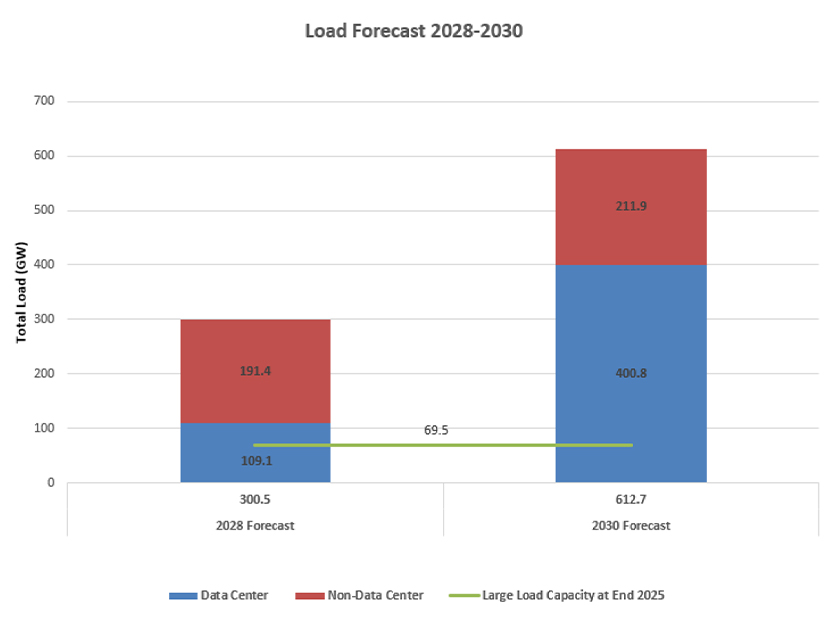
Summarizing the findings from its 2025 Level 2 alert on large loads, NERC warned most entities have not met its recommendations.
Grid Strategies
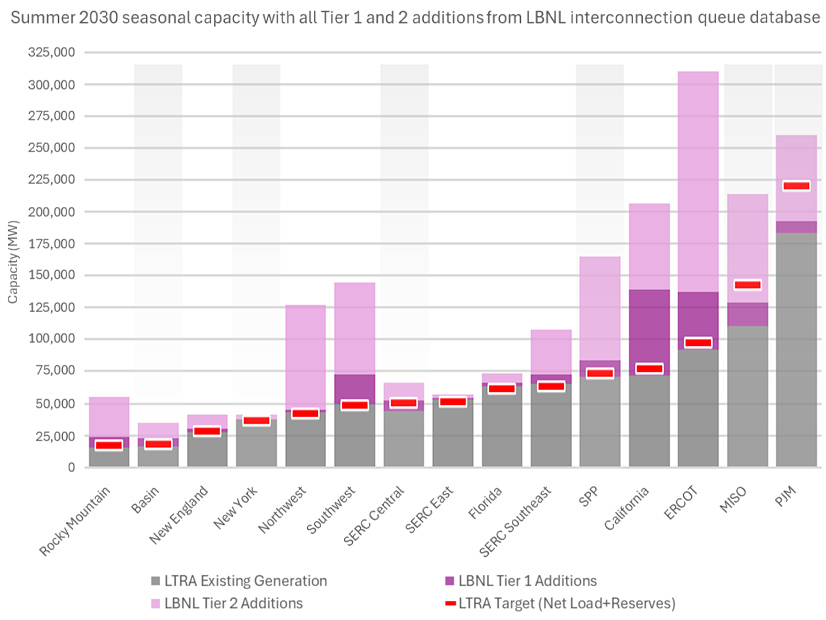
Grid Strategies wrote that NERC's Long-Term Reliability Assessment did not consider some factors that could address potential energy shortfalls.

Xcel Energy
A new report from NERC reviewed several incidents in which unexpected strains during spring or fall led to load shedding.

© RTO Insider
The Gulf Coast Power Association’s MISO-SPP Regional Conference showcased the rush to add resources, and panelists mused on which new trends could take hold in resource expansion.
MRO
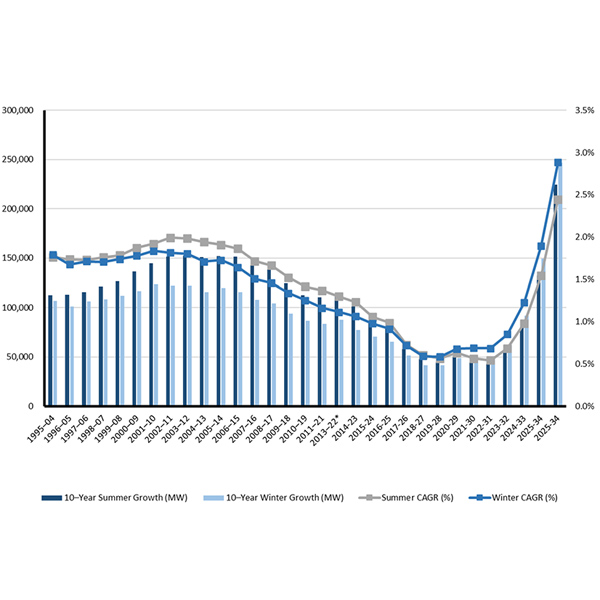
MRO's Regional Risk Assessment found uncertain energy availability to be the highest priority risk for the third year in a row.

© RTO Insider
MISO’s and SPP’s CEOs are confident their interconnection queues will be up to the task of meeting new data center load once their respective special expedited lanes wind down.
DOE
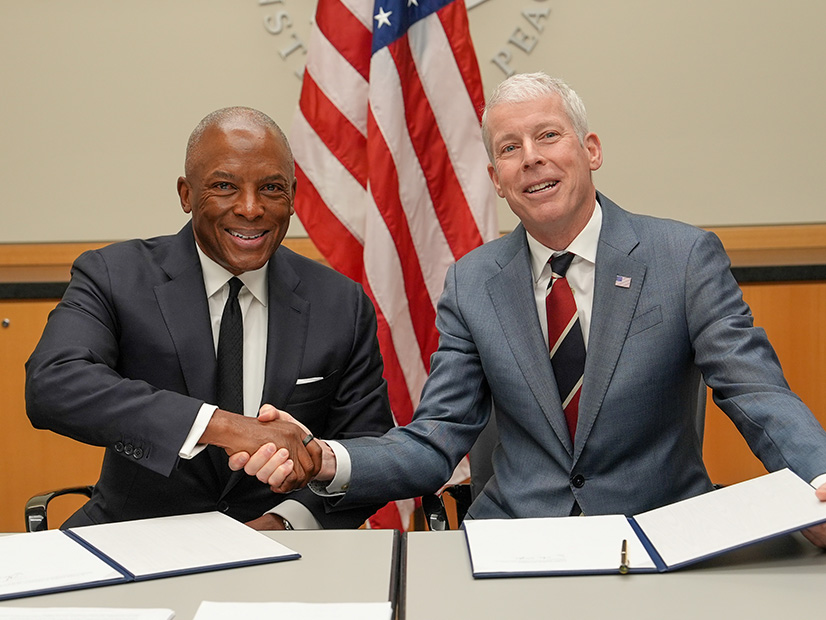
Southern Co. will receive $26.5 billion in loans to support generation and transmission upgrades.
FERC
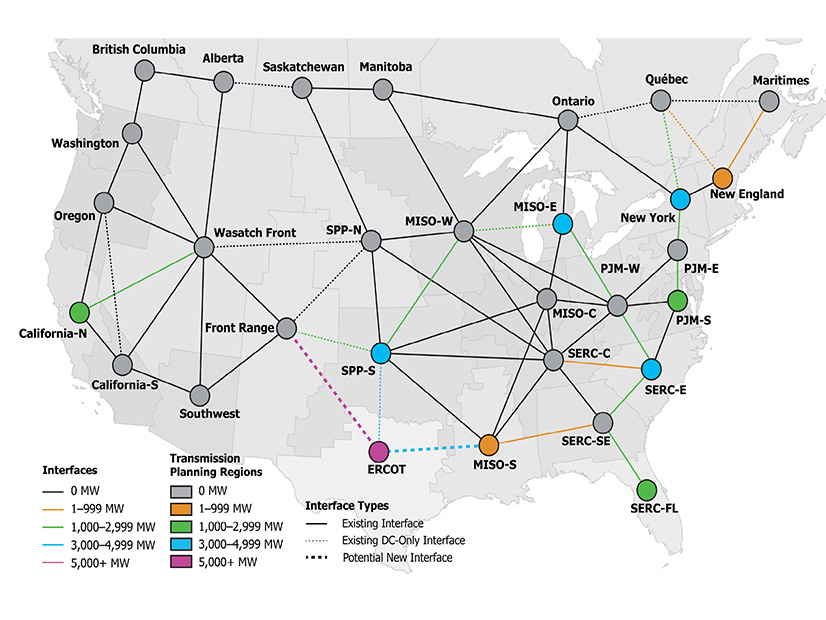
FERC declined to suggest any minimum interregional transfer capability requirements in a report to Congress.

© RTO Insider
NERC staff acknowledged recent criticisms of the 2025 Long-Term Reliability Assessment while describing the challenges of performing the analysis in recent years.
Want more? Advanced Search