
data centers
© RTO Insider LLC
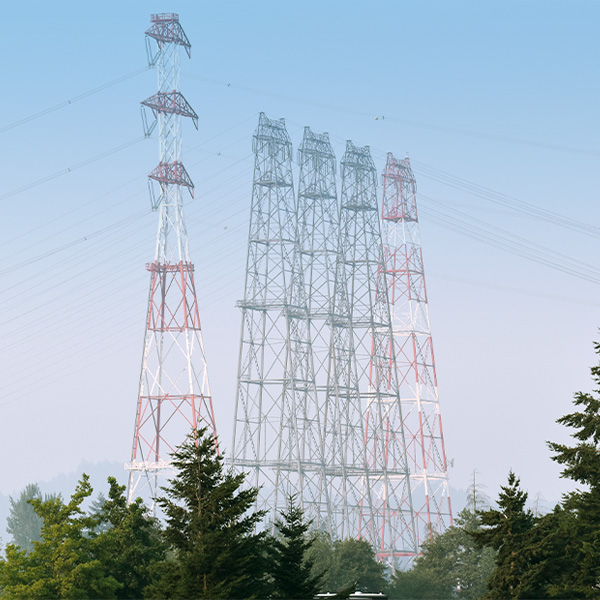
The Bonneville Power Administration unveiled its proposals for overhauling its transmission planning, with help from the industry.
NREL
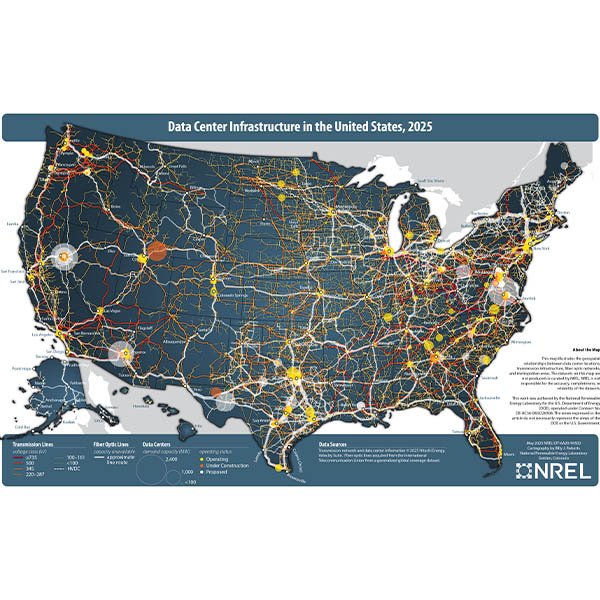
A new analysis concludes there will not be enough computer chips produced in the entire world to supply the data centers projected to be built just in the United States.
Shutterstock
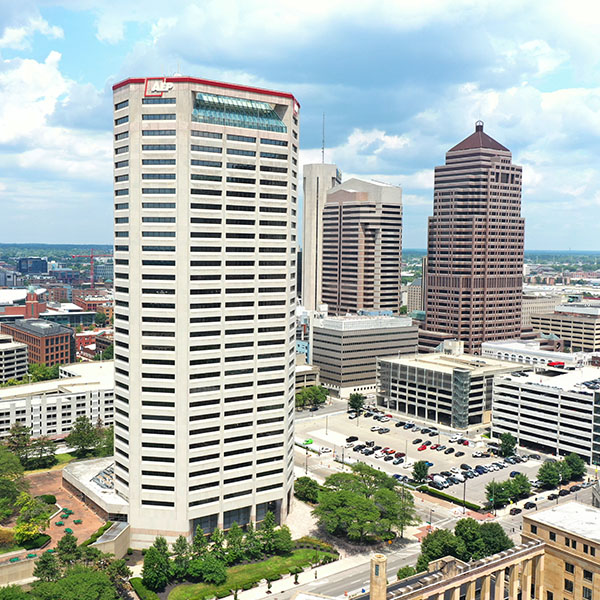
The PUCO ruling seeks to ensure that other ratepayers are not stuck with paying for infrastructure upgrades made to accommodate data center power demand that does not materialize as requested.
Shutterstock
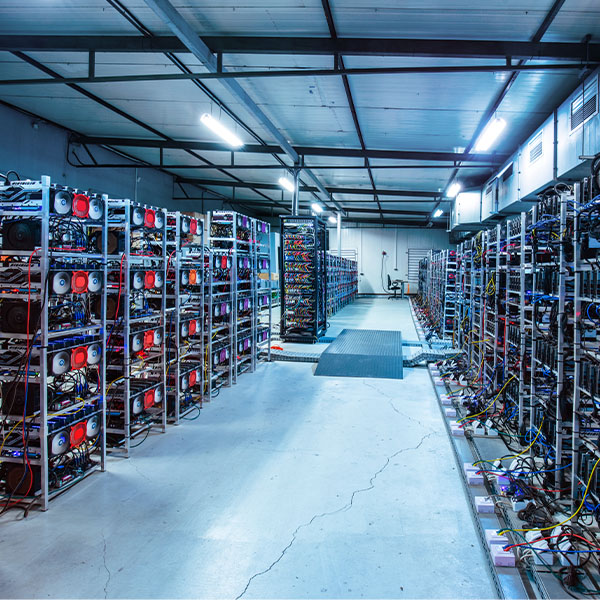
A new Clean Energy States Alliance report highlights how states are tackling the rise in electricity demand, which varies based on factors such as the scale of demand growth they face and their geography.
Google
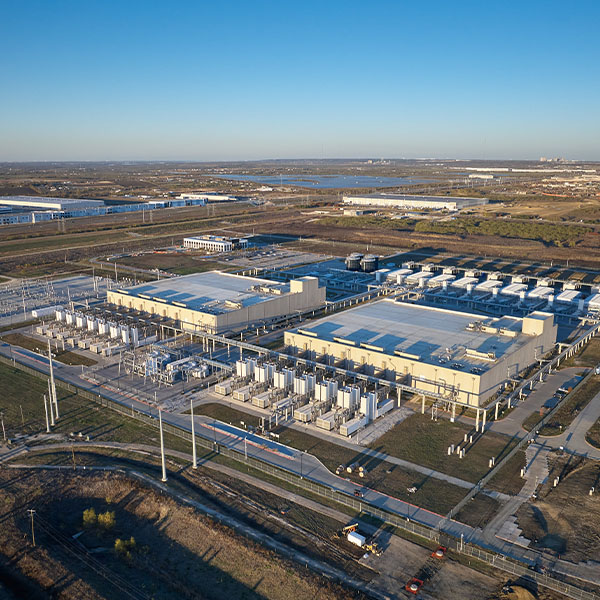
Google is reporting another sharp annual jump in electricity consumption at its data centers but says greenhouse gas emissions were lower in 2024 than 2023, by some measures.
Shutterstock
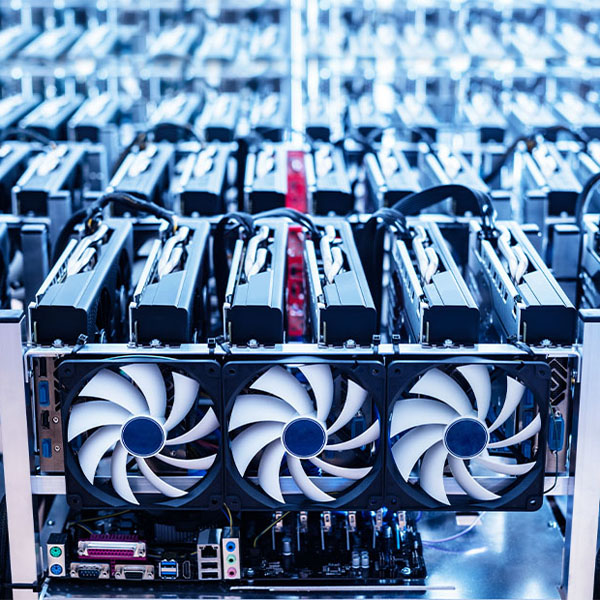
The most prolific worry about large load facilities like data centers is how to power them, but the New York Power Authority raised a new concern at the NYISO Budget & Priorities Working Group’s meeting.

© RTO Insider
The 2025 Mid-America Regulatory Conference tackled themes on meaningful public engagement, nuclear options, bill affordability and DEI programs falling out of favor.
CAISO
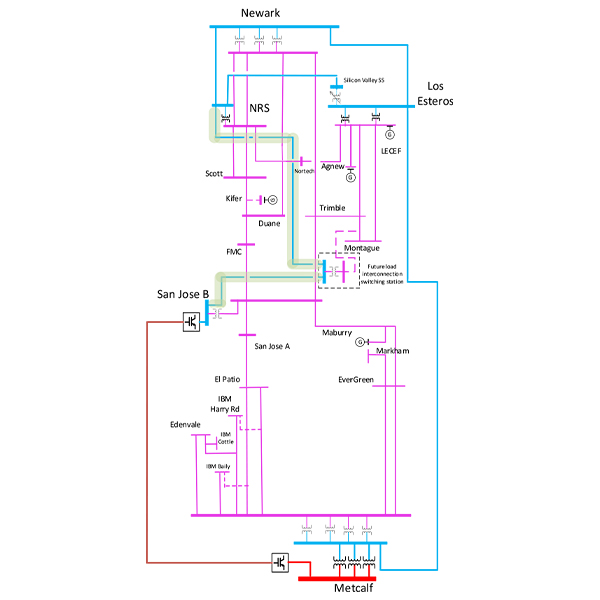
CAISO is soliciting bids for two transmission projects in the San Francisco Bay Area to prepare the state for more projected data center load in the coming decade.
© RTO Insider LLC
The NYISO Business Issues Committee and Operating Committee approved a governing document revisions that would implement transmission owners’ right of first refusal in the ISO’s planning processes at their meetings.
© RTO Insider LLC
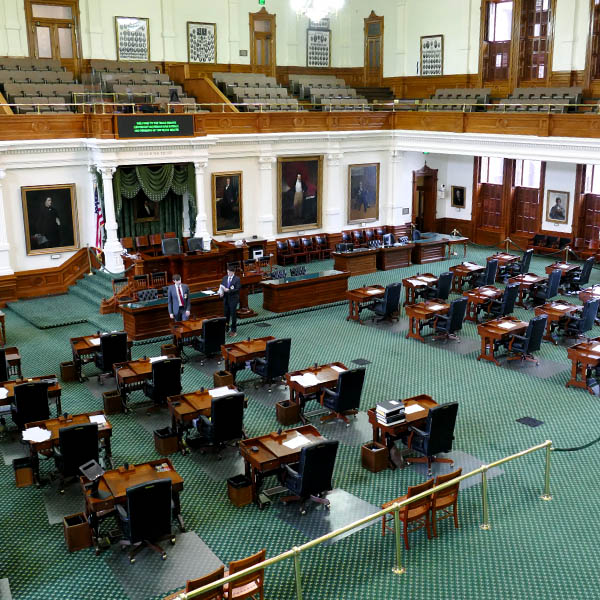
Another Texas legislative session has ended with renewable resources and batteries having survived potentially damaging legislation that did not make it to Gov. Greg Abbott's desk.
Want more? Advanced Search
