
December 2025

© RTO Insider LLC
The Extended Day-Ahead Market took center stage at CAISO in 2025 as the ISO tabled other long-term initiatives to ensure the market’s timely launch in May 2026, with PacifiCorp as its first participant.

Shutterstock
Reliability concerns in NYISO, including a reliability need in New York City, are likely to dominate discussions in 2026.
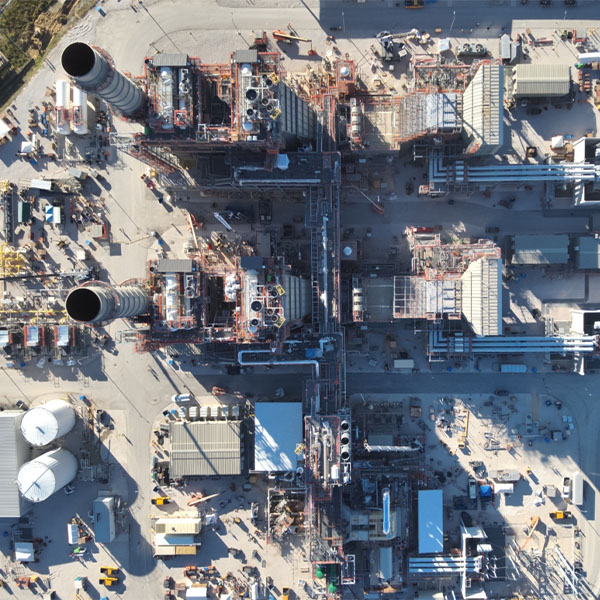
Entergy
MISO has indicated that new generation to serve data centers and other large loads will be mission critical over 2026 and said it will take pains to interconnect units.
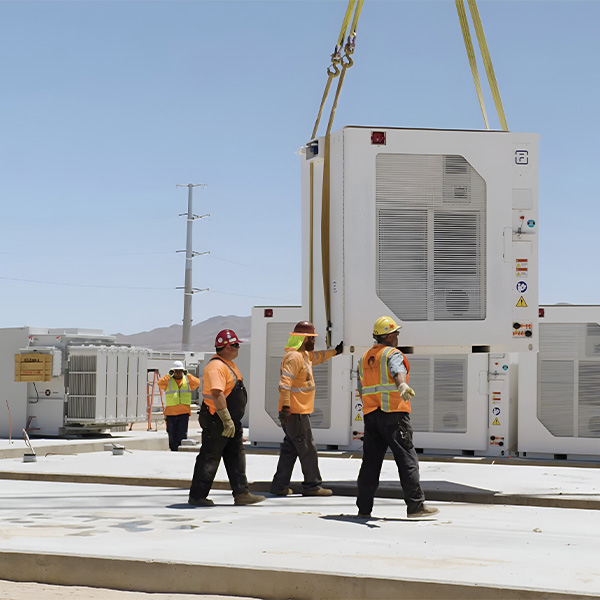
Shutterstock
In 2026, utility-scale energy storage projects in the U.S. will face headwinds that could slow the pace of a technology that is fast becoming a global grid staple, warns columnist Dej Knuckey.

Dominion Energy
The Trump administration has ordered all offshore wind generation construction halted and has stalled some onshore wind projects.
© RTO Insider
As NV Energy prepares to file its next integrated resource plan ahead of schedule in April, the company says it will take longer than previously planned to reduce its reliance on short-term market purchases.
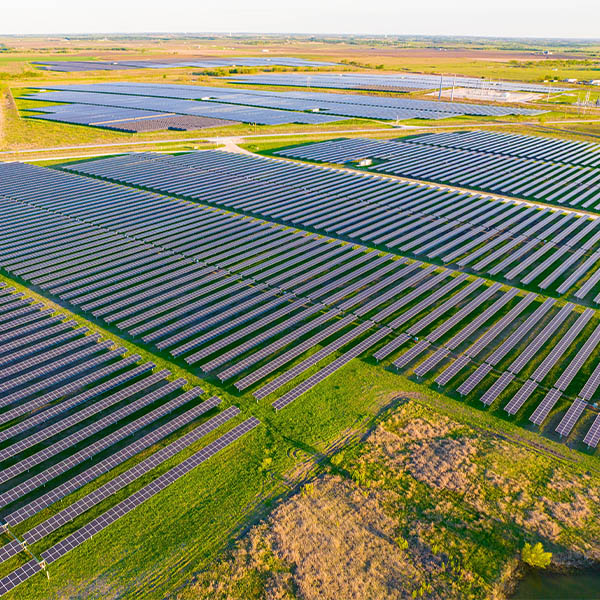
Shutterstock
The degree of risk and uncertainty springing from indifferent or outright obstructive new federal policies in 2025 has trimmed planned solar deployment.
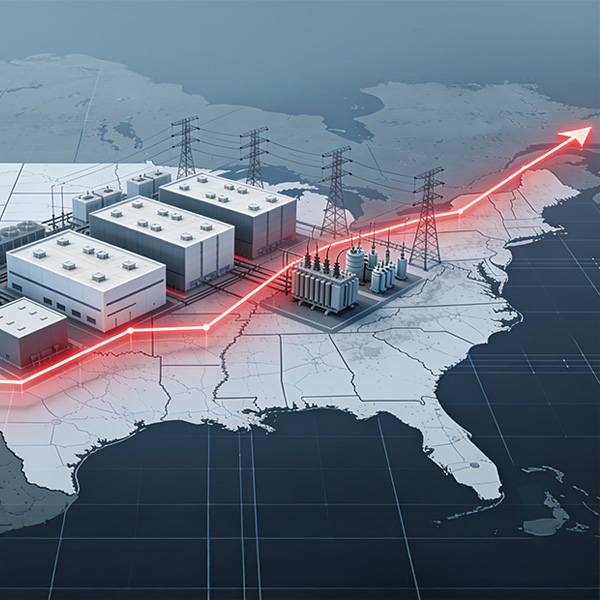
Illustrated by Perplexity
The defining story of the coming year will be the widening chasm between electricity supply and demand, a dynamic driven by a slow-moving supply side, coupled with the explosive growth of energy-hungry data centers, says columnist Peter Kelly-Detwiler.
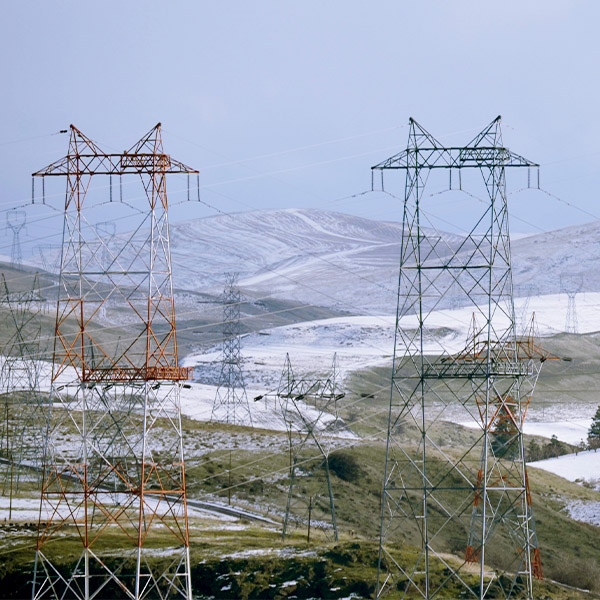
© RTO Insider
With 16 binding participants and 58 GW worth of load committed, the Western Power Pool’s Western Resource Adequacy Program aims to build on the momentum in 2026 and prepare for more members.
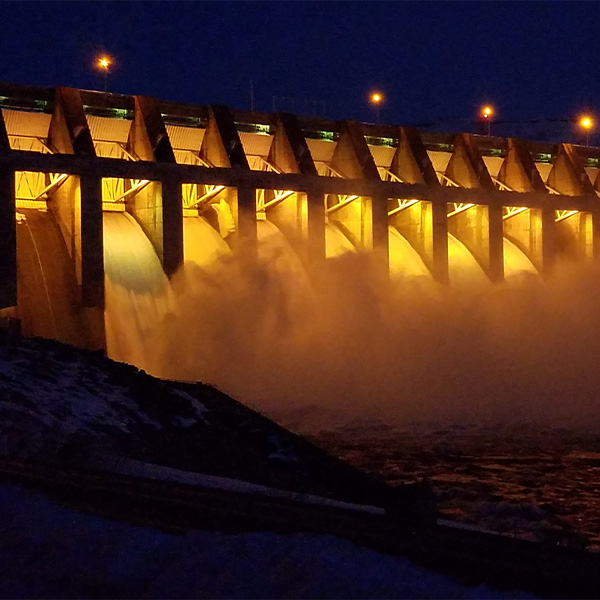
U.S. Army Corps of Engineers
The demand for energy storage capacity is driving a flurry of proposals for new pumped storage hydropower while proposals for new conventional facilities are limited to small-scale projects.
Want more? Advanced Search
