Building Decarbonization
Shutterstock
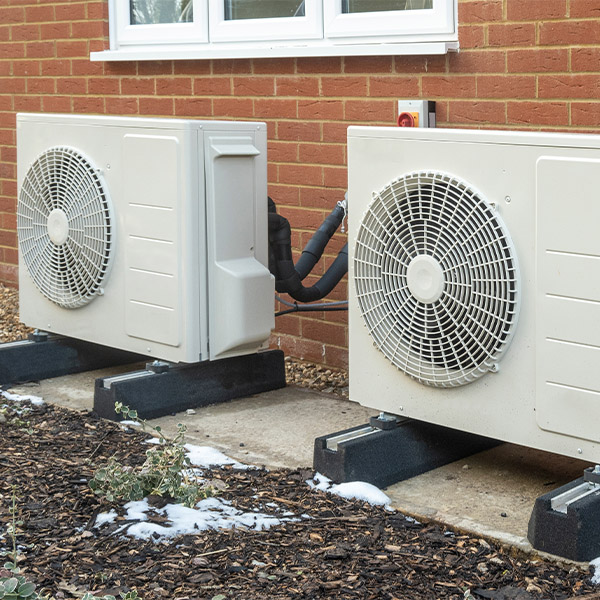
ACEEE's latest report argues that utilities should adopt winter discount rates to encourage heat pump adoption and recommends continued educational campaigns, including for HVAC contractors.
NYISO
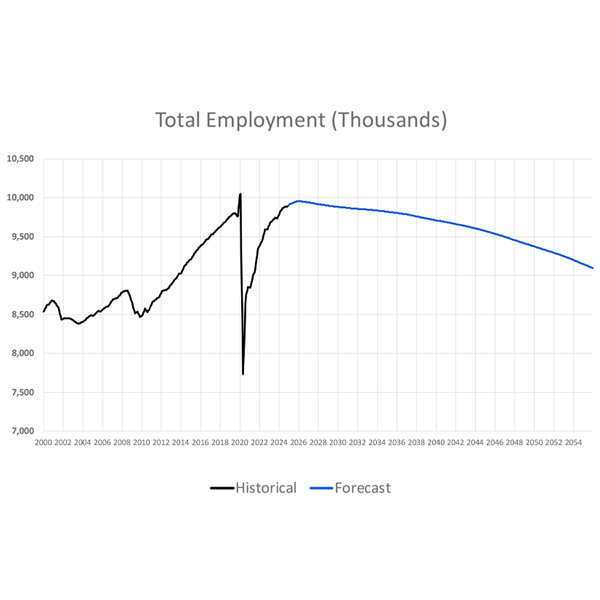
NYISO presented its assumptions for the economic and electrification trends that would drive load growth through the 2040s based on Moody’s Analytics data, which show statewide population to “significantly” decline.
Brattle Group
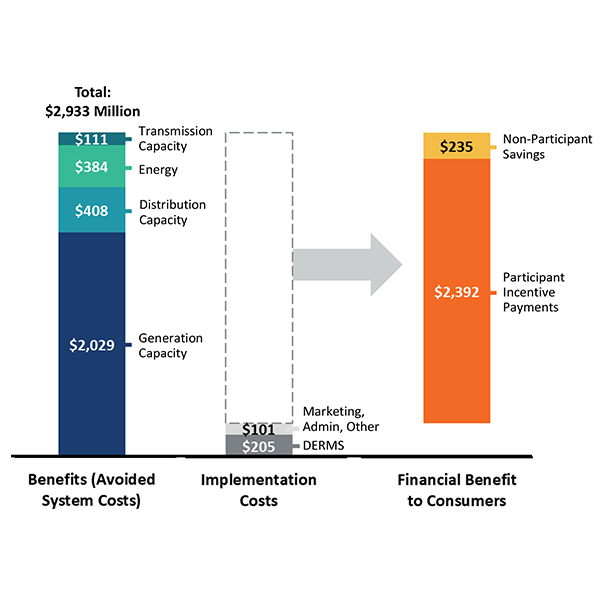
A Brattle Group study found that New York could achieve 8.5 GW in “grid flexibility” measures by 2040, saving consumers more than $2 billion a year.
DNV
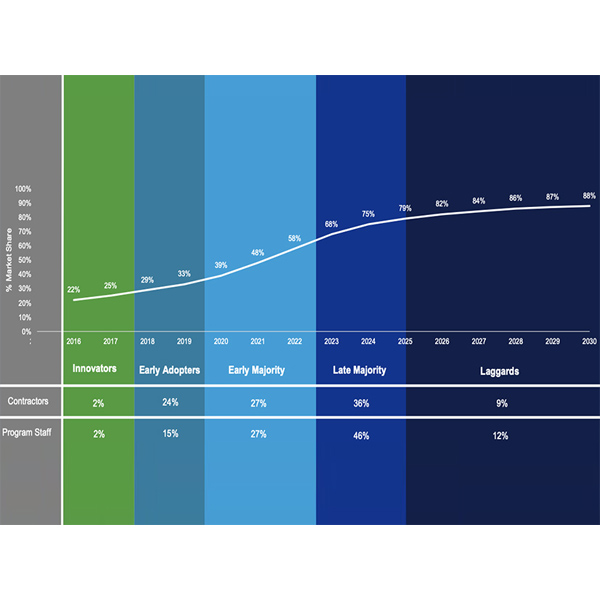
Energy efficiency upgrades in the commercial and industrial sector have made LED lighting so common that additional upgrades require more than just swapping old bulbs for new technology, according to a DNV report.
National Grid
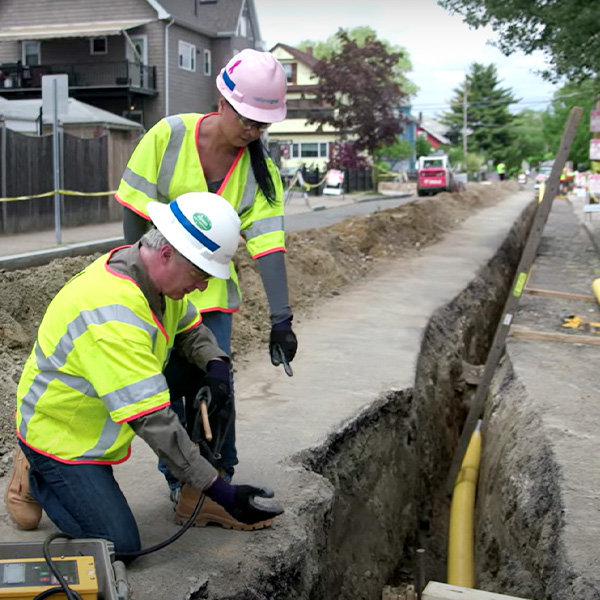
The Massachusetts DPU has proposed requiring customers who request new gas service to cover the full cost of any needed line extensions, which effectively would end utilities’ practice of spreading the costs across their rate base.
Khorramfar et al.
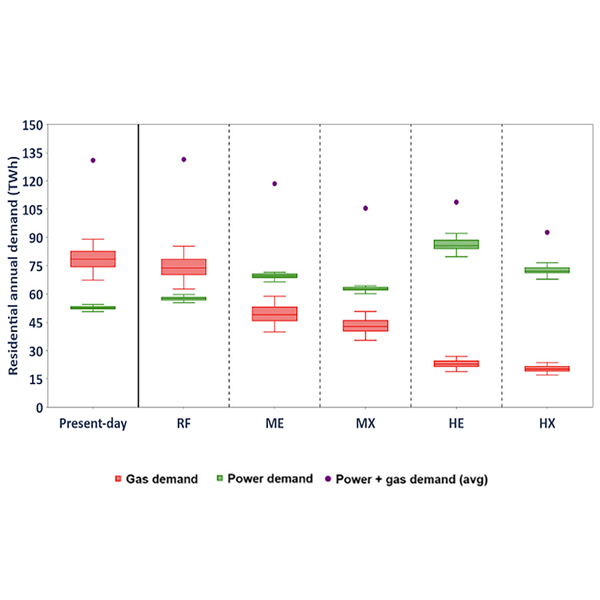
While heating electrification in New England is poised to drive major increase in peak demand, electrifying about 80% of households could reduce the combined cost of the region’s electric and gas systems by 21 to 29%, according to a new study.
© RTO Insider LLC
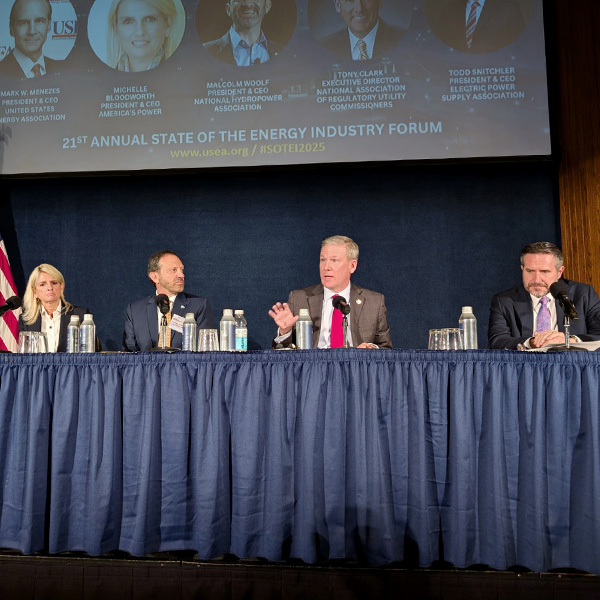
Participants at the United States Energy Association’s 2025 State of the Energy Industry Forum discussed topics such as demand growth, nuclear fusion and energy efficiency.
ACEEE
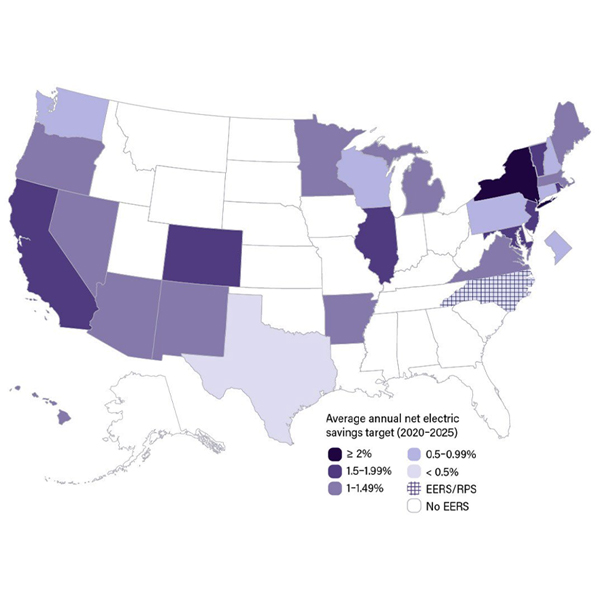
ACEEE released a report highlighting how states are moving forward with energy efficiency resource standards and laying out some best practices.

Shutterstock
Vermont’s Public Utility Commission is recommending alternatives to the Clean Heat Standard it was tasked with developing.
Shutterstock
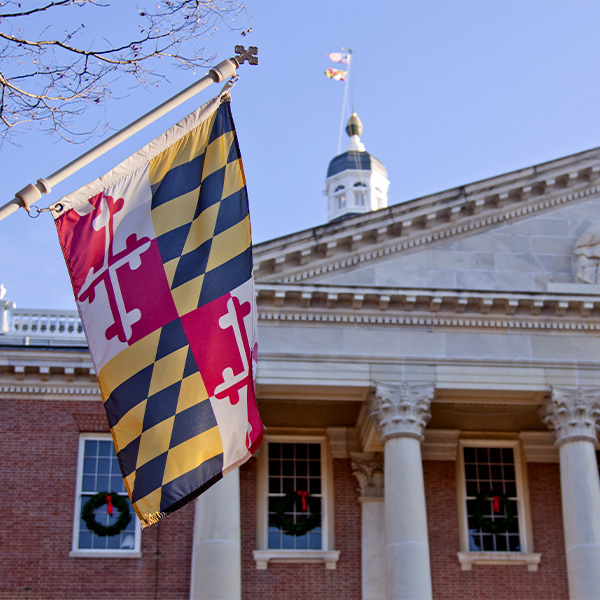
The rising opposition to the Maryland Piedmont Reliability Project, a 67-mile, 500-kV transmission line, and general dissatisfaction with PJM and utility grid planning and interconnection policies, are driving new bills in the General Assembly.
Want more? Advanced Search