
Department of Energy
NET Power
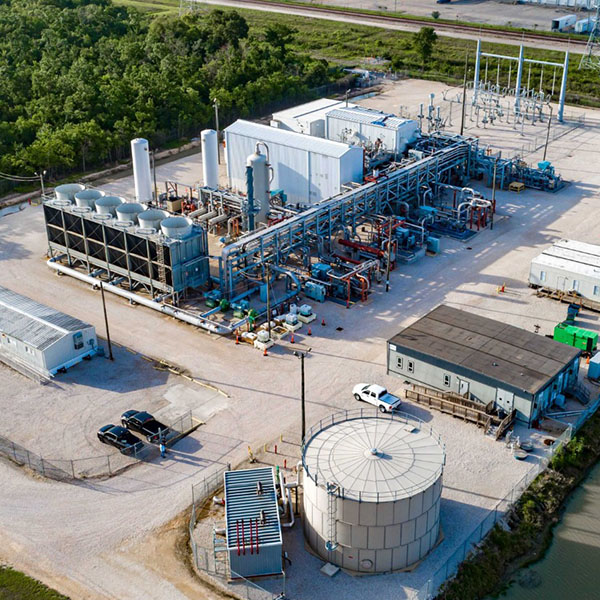
Questions from energy reporters at a USEA briefing on emerging cleantech shifted the focus to what will happen to U.S. energy policy if Donald Trump is re-elected president.
Northeast States Collaborative on Interregional Transmission
Ten East Coast states signed a memorandum of understanding to set up a framework to coordinate interregional transmission planning and development.
Venture Global LNG
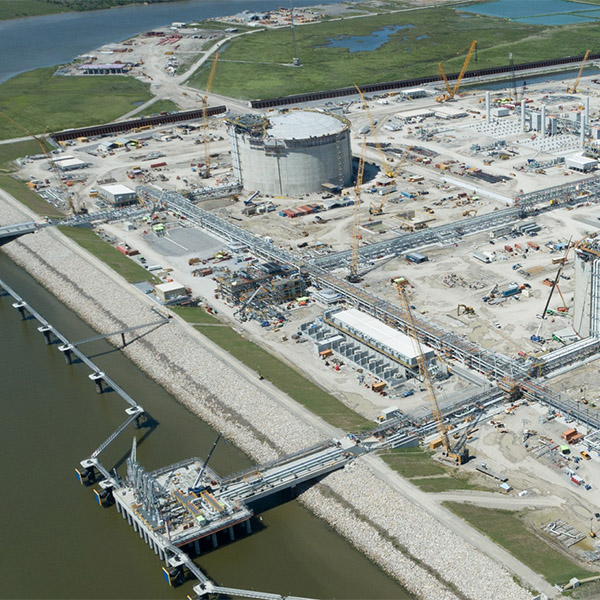
The U.S. District Court for Western Louisiana issued a stay on the Biden administration’s pause in considering new applications for LNG export facilities.

© RTO Insider LLC
FERC Order 1920 could help move the bar significantly on more efficiently expanding the transmission grid, but its ultimate success depends on how it and other policies are implemented, stakeholders say.
Ørsted
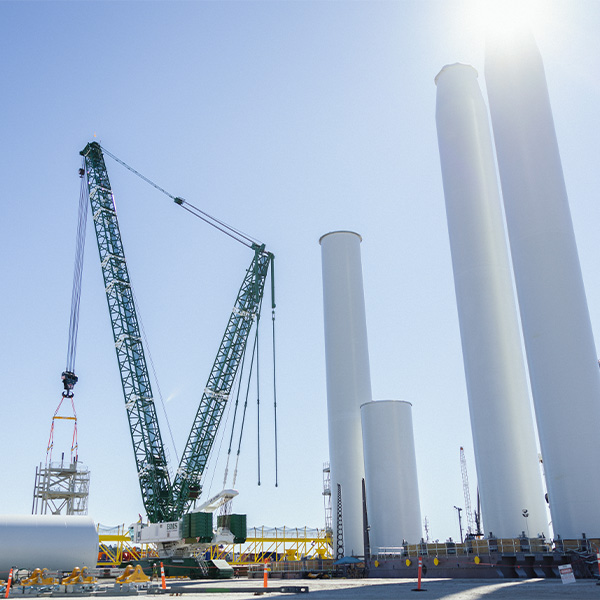
U.S. Department of Energy officials say they're optimistic the costs of offshore wind energy development will begin to ease by the end of the decade.

GE Hitachi Nuclear Energy
The new federal funding is aimed at building market confidence that the U.S. nuclear industry will be able to incorporate the lessons learned at Vogtle to deliver a new round of safer, more efficient SMRs on time and on budget.
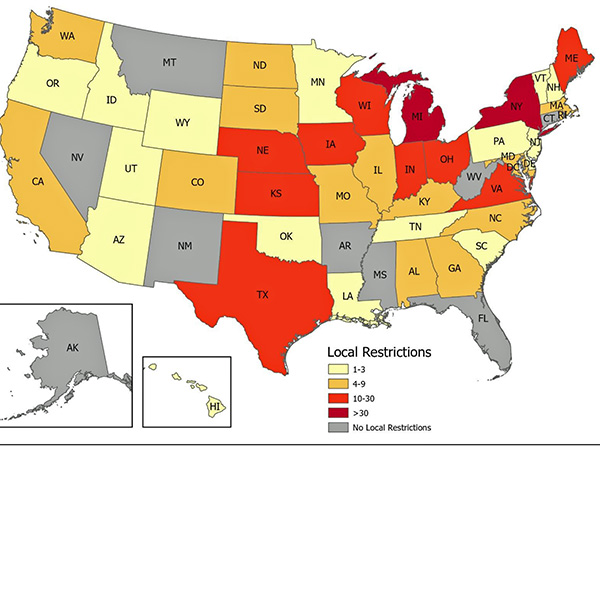
Sabin Center for Climate Change Law
Two new reports examine the profusion of local and state regulations affecting renewable energy development.
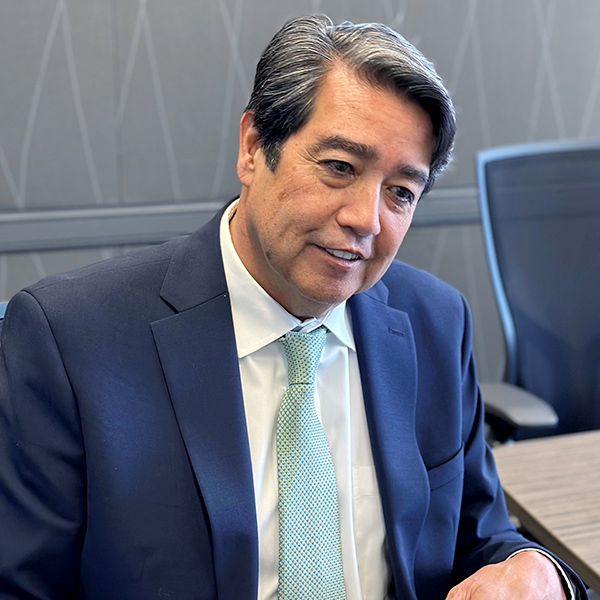
© RTO Insider LLC
After 23 years at Southern California Edison and eight as a consultant at ICF International, Gene Rodrigues was four months into retirement in 2022 when he got a call from the Department of Energy’s Office of Electricity.

Senate ENR Committee
Artificial intelligence may be driving new energy demand from hyperscale data centers, but it could also help find new solutions to meet that demand.
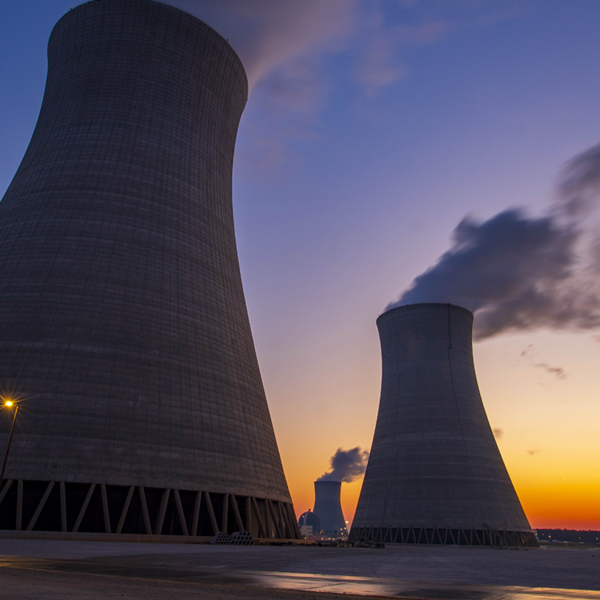
Georgia Power
The first new reactors built in the U.S. since 2016, Vogtle’s two units have come online seven years late and $17 billion over budget, leaving subsequent projects surrounded by perceptions of risk.
Want more? Advanced Search
