
Offshore Wind Power
County of Humboldt
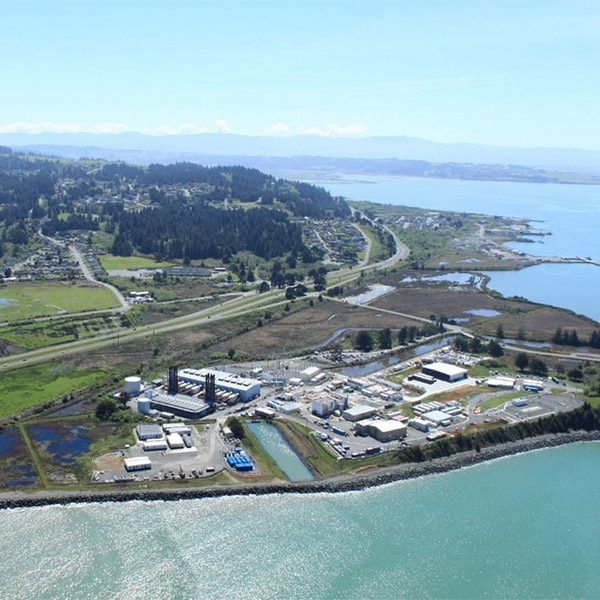
Offshore wind experts urged the California Public Utilities Commission to reconsider a forecasted 6-year delay to the Golden State’s offshore wind project in Humboldt County.

Revolution Wind
If Ørsted can continue to beat back the Trump administration’s interference, it could start generating electricity with its Revolution Wind project in a matter of weeks.

Equinor
Work on the $7.5 billion, 810-MW project off the New York coast has been halted twice by the administration and resumed twice by the Norwegian developer.

NYSERDA
Four judges have granted all five projects under construction in U.S. waters permission to resume construction.
NYSERDA
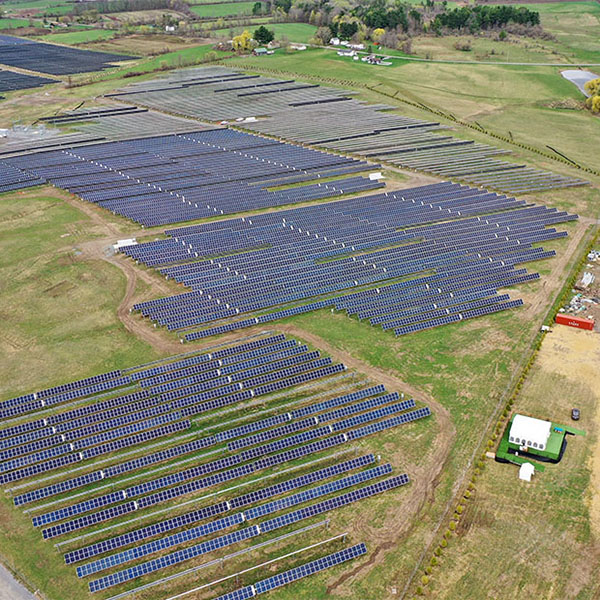
After a decade of intensive policy work and billions of dollars expended, the state’s grid was more reliant on carbon-based fuels in 2024 than in 2014.

Avangrid
A judge has lifted the federal stop-work order on Vineyard Wind 1, allowing work to resume on the long-running, nearly completed Massachusetts offshore wind project.
Shutterstock
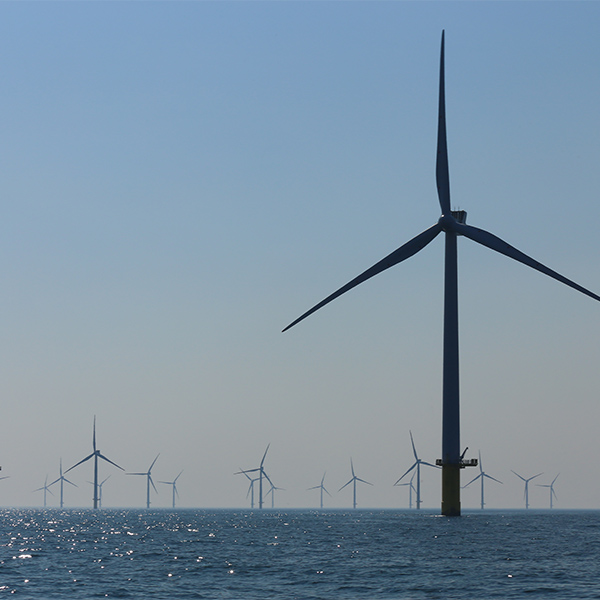
Debates about affordability continue to dominate state-level energy policy debates throughout New England, shifting the focus away from decarbonization, a panel of experienced lobbyists said.

Dominion Energy
A federal judge has granted Dominion Energy a preliminary injunction against the stop-work order the Trump administration slapped on the nation’s largest offshore wind project.
BOEM
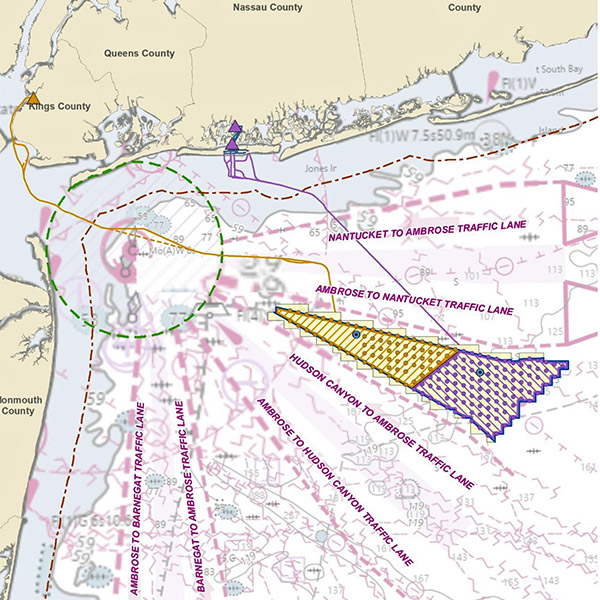
Equinor won a temporary injunction against the Trump administration’s stop-work order on U.S. offshore wind projects, allowing it to resume work on Empire Wind.
Dominion Energy
A judge has lifted the stop-work order against Revolution Wind, one of the five offshore wind projects shut down by the Trump administration in December.
Want more? Advanced Search
