State and Local Policy
AlabamaArizonaCaliforniaCA LegislationCalifornia Air Resources Board (CARB)California Energy Commission (CEC)California Public Utilities Commission (CPUC)ColoradoConnecticutDelawareDistrict of ColumbiaFloridaGeorgiaHawaiiIdahoIllinoisIndianaKentuckyLouisianaMaineMarylandMassachusettsMichiganMinnesotaMississippiMissouriMontanaNevadaNew HampshireNew JerseyNew MexicoNew YorkNYSERDAPublic Service CommissionNorth CarolinaNorth DakotaOhioOntarioOregonPennsylvaniaRhode IslandSouth CarolinaTennesseeTexasUtahVermontVirginiaWashingtonWest VirginiaWisconsinWyoming

Shutterstock
Puget Sound Energy and Avista told the Washington Utilities and Transportation Commission they have taken steps to build clean energy resources quickly to qualify for expiring federal tax credits, while voicing concern that limited transmission capacity and the state’s greenhouse gas targets pose challenges.
Shutterstock
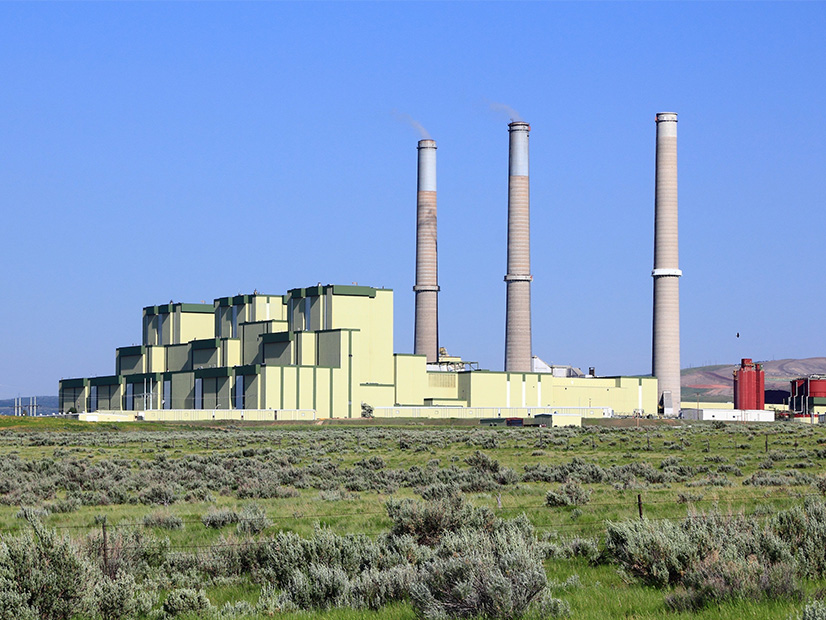
Challenges are piling up to Trump administration orders to keep retiring coal plants online, as the Colorado attorney general and environmental groups have filed petitions to overturn an extension of Craig Station Unit 1.
Astoria Generating Company
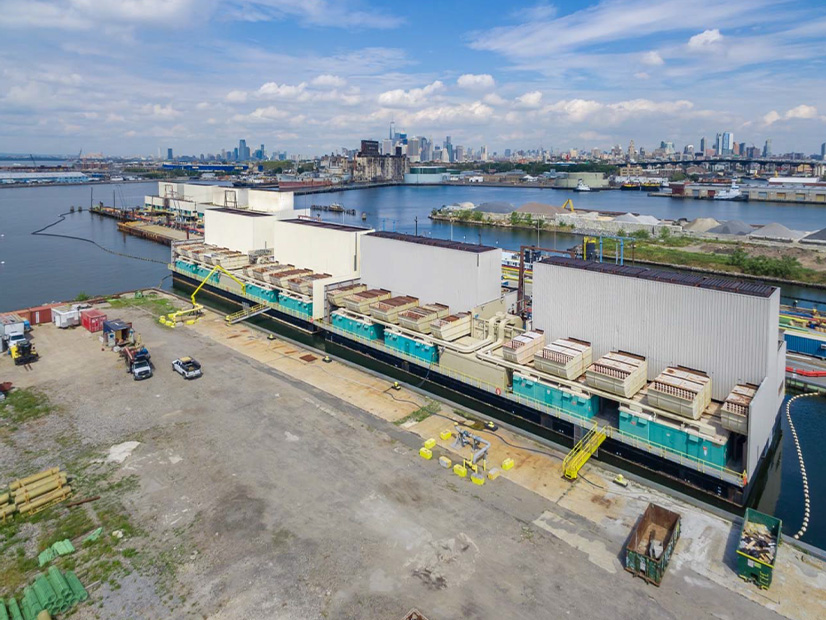
Alpha Generation, owner and operator of the Gowanus and Narrows floating power plants in New York City, has proposed replacing the six peaking units with three lower-emitting ones in response to Consolidated Edison’s solicitation for solutions to the city’s reliability need.
National Laboratory of the Rockies
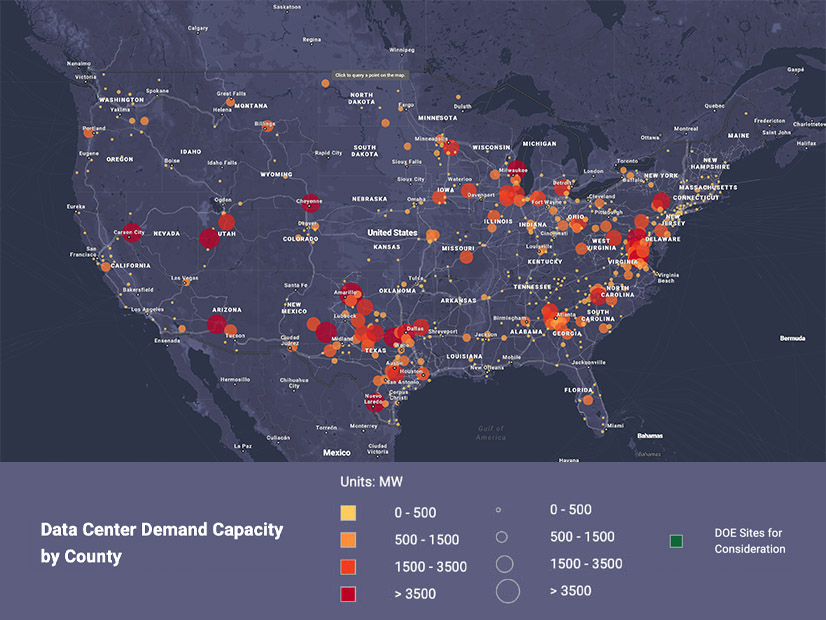
A new study quantifies some of the benefits that could come from more fully using the existing capacity of the grid before expanding the grid to meet demand growth from data centers and other large loads.

Meta
New Jersey legislators backed a bill that would require operators of AI data centers and crypto mining facilities to run them with clean energy and submit an energy use plan to the state.
Sterling Industrial
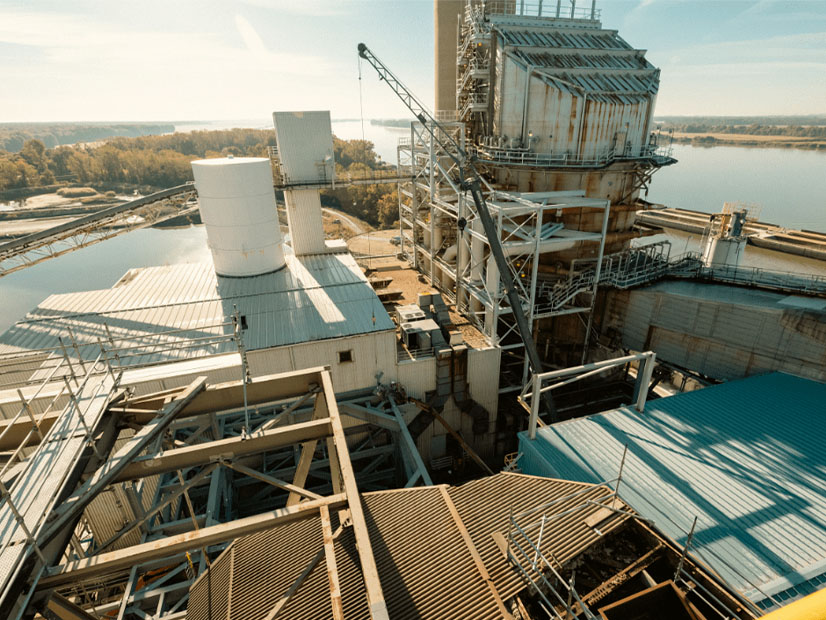
Public interest organizations have taken their challenge of the Department of Energy’s emergency orders keeping two Indiana coal plants operating past their planned retirement dates to the D.C. Circuit Court of Appeals.
Steven Baltakatei Sandoval, CC BY-SA 4.0, via Wikimedia Commons
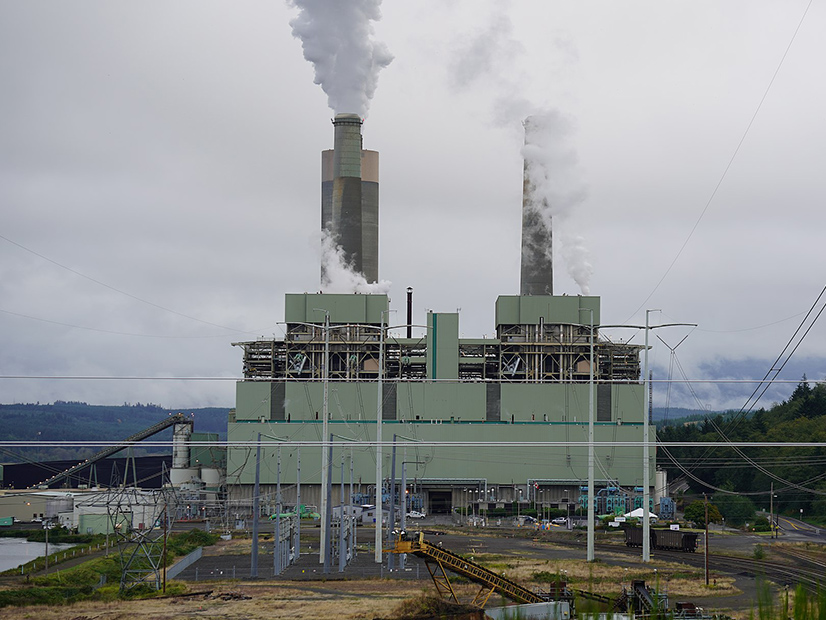
The Department of Energy extended an order that will continue to keep Washington’s last remaining coal-fired plant open past its long-scheduled retirement at the end of 2025.

© RTO Insider
Amid uncertainty about how New England will meet rising demand in the coming decades, Massachusetts Gov. Maura Healey issued an executive order to procure 10 GW of new power and 5 GW of energy storage by 2035.

Ørsted
One New England offshore wind farm has completed construction, and another has begun sending electricity ashore as it finishes construction.
Virginia Department of Historic Resources
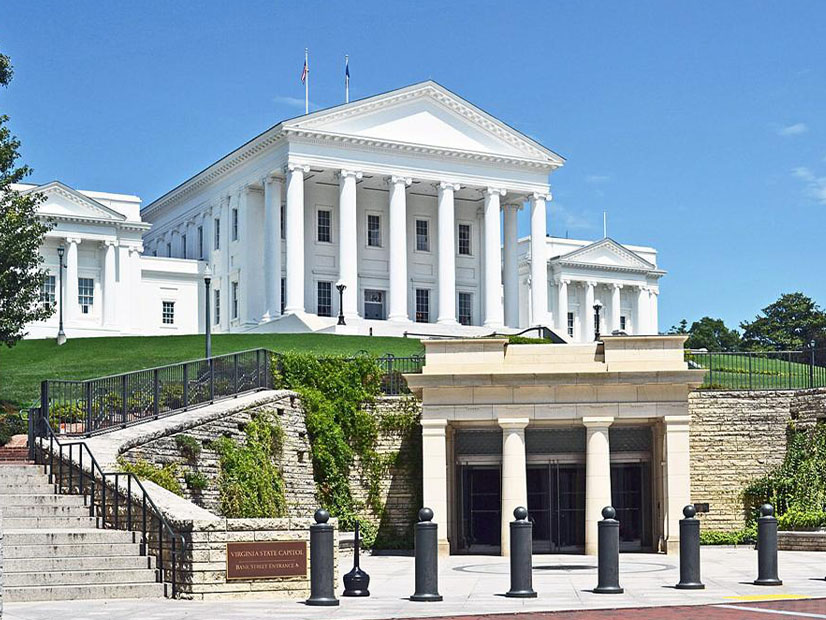
The Virginia General Assembly wrapped up its session and Democrats used the power they won in November's elections to push through bills favoring clean energy as the state faces significant load growth from data centers.
Want more? Advanced Search