
Connecticut
Dominion Energy
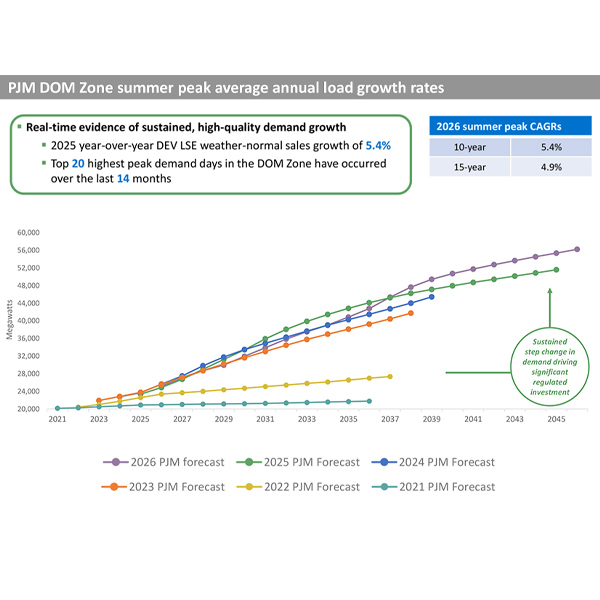
Dominion Energy updated analysts on its efforts to complete a major offshore wind project and to meet rising demand from data centers on its fourth-quarter earnings call.
Eversource Energy
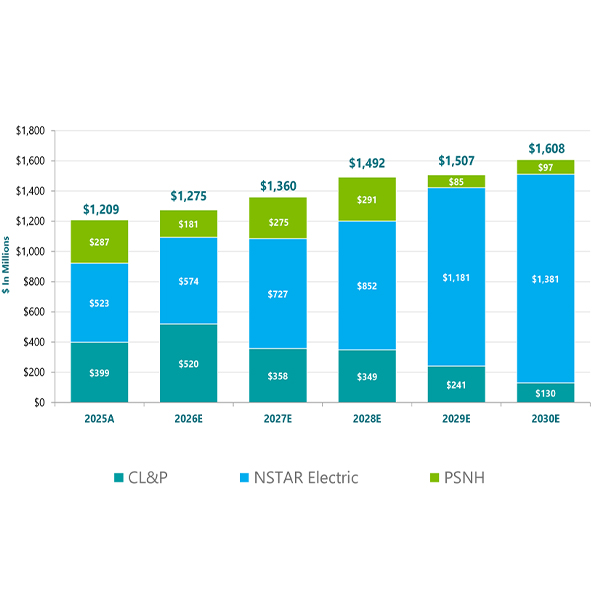
Eversource Energy increased its five-year capital investment plan by $2.3 billion, an increase largely driven by investments in its gas and electric distribution systems.
Shutterstock
Debates about affordability continue to dominate state-level energy policy debates throughout New England, shifting the focus away from decarbonization, a panel of experienced lobbyists said.
Always On Energy Research
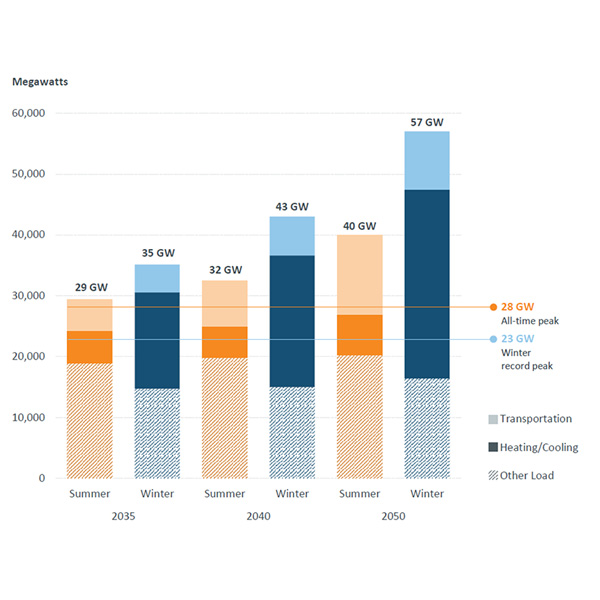
Two new studies released by advocates on opposite sides of the clean energy debate reach opposite conclusions about the economic benefits of renewables.
EMC Engineering Services
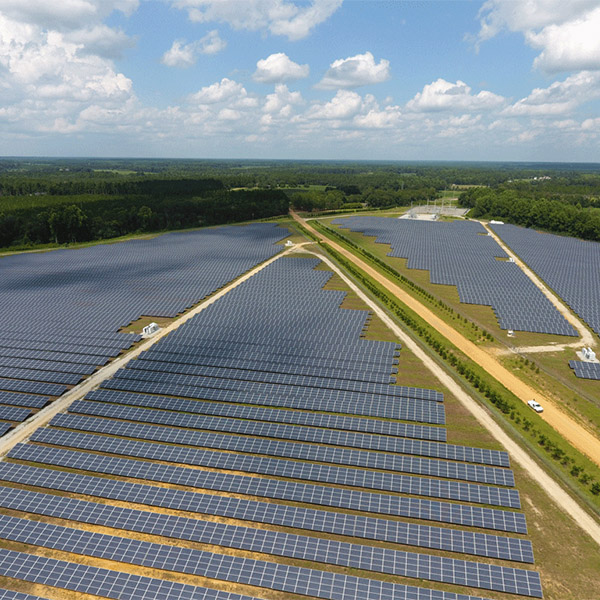
Representatives of Connecticut, Maine, Massachusetts and Vermont have selected a cumulative 173 MW of new solar generation through a coordinated procurement process.

Connecticut Executive and Legislative Nominations Committee
The forthcoming resignation of Connecticut Public Utilities Regulatory Authority Chair Marissa Gillett has created high-stakes questions around the state’s adoption of a comprehensive performance-based regulation framework.
Western Maine Energy Storage
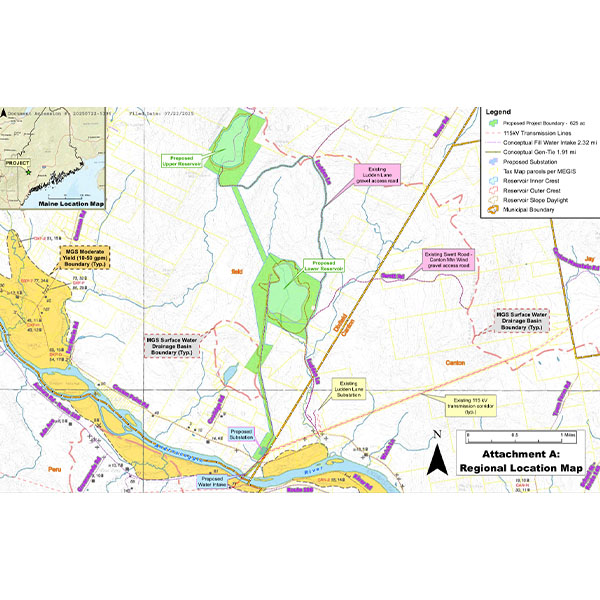
A developer in Maine is evaluating whether pumped storage – one of the oldest generation technologies still used on the New England grid – could play an increased role in the grid of the future.
Revolution Wind
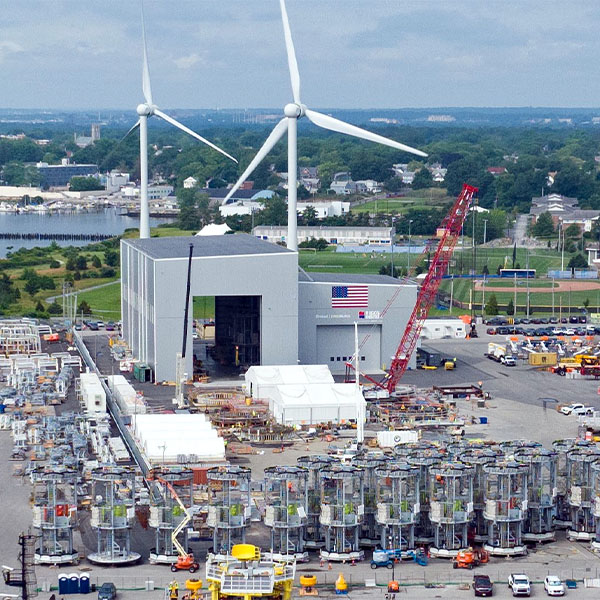
Revolution Wind’s developers are seeking an emergency injunction against the federal stop-work order slapped on the offshore wind project.

Revolution Wind
ISO-NE warned any significant delay of the Revolution Wind project will increase risk to the reliability of the New England grid and undermine the region’s economy.
Dominion Energy
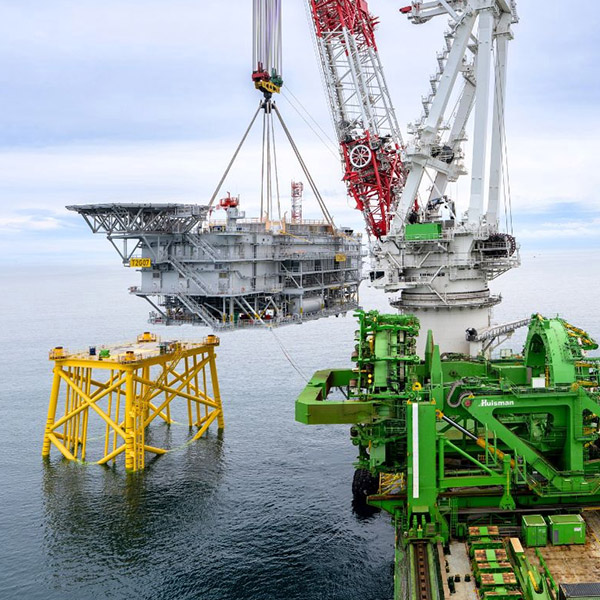
New England’s offshore wind ambitions were dealt a further setback as contract negotiations under way for most of the past year were extended again, potentially into 2026.
Want more? Advanced Search
