State and Local Policy
AlabamaArizonaCaliforniaCA LegislationCalifornia Air Resources Board (CARB)California Energy Commission (CEC)California Public Utilities Commission (CPUC)ColoradoConnecticutDelawareDistrict of ColumbiaFloridaGeorgiaHawaiiIdahoIllinoisIndianaKentuckyLouisianaMaineMarylandMassachusettsMichiganMinnesotaMississippiMissouriMontanaNevadaNew HampshireNew JerseyNew MexicoNew YorkNYSERDAPublic Service CommissionNorth CarolinaNorth DakotaOhioOntarioOregonPennsylvaniaRhode IslandSouth CarolinaTennesseeTexasUtahVermontVirginiaWashingtonWest VirginiaWisconsinWyoming
Shutterstock
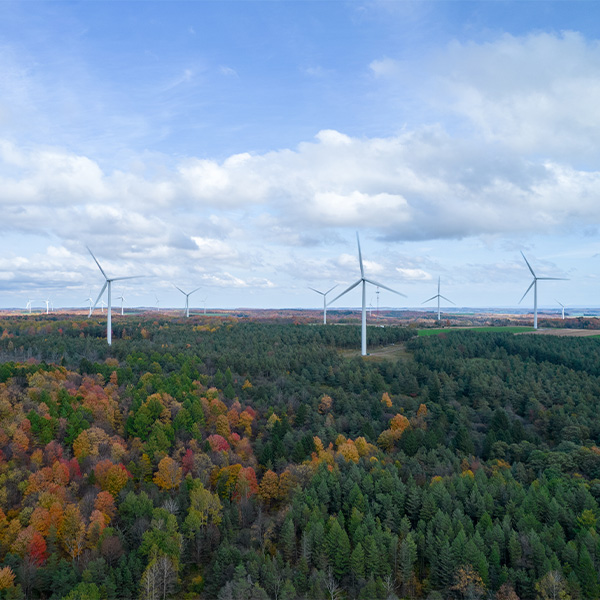
New York state has executed contracts for proposed onshore wind and solar projects totaling 2,341 MW of capacity at an expected cost of more than $4.7 billion.
Clean Path New York
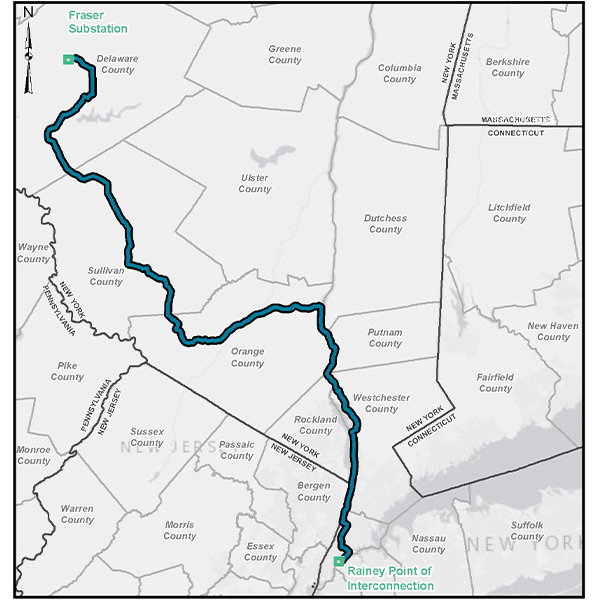
CPNY was envisioned as a solution to the heavy reliance on aging fossil fuel power generation in the densely populated New York City region.
Greenbacker Renewable Energy Company LLC
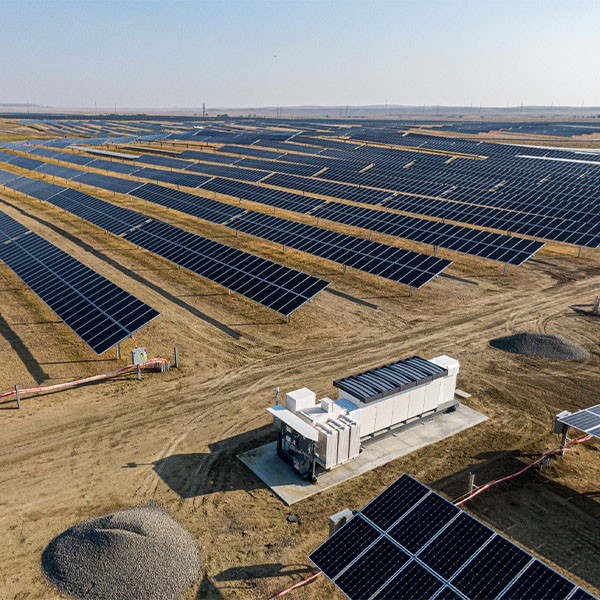
Solar developers are urging the New Jersey Board of Public Utilities to extend the completion timelines in the agency’s proposed storage development plan.

© RTO Insider LLC
Getting storage online in Maryland could be a critical piece of the solutions needed to address the sky-high capacity prices PJM recorded in its most recent auction, according to a panelist at a solar and storage conference.
© RTO Insider LLC
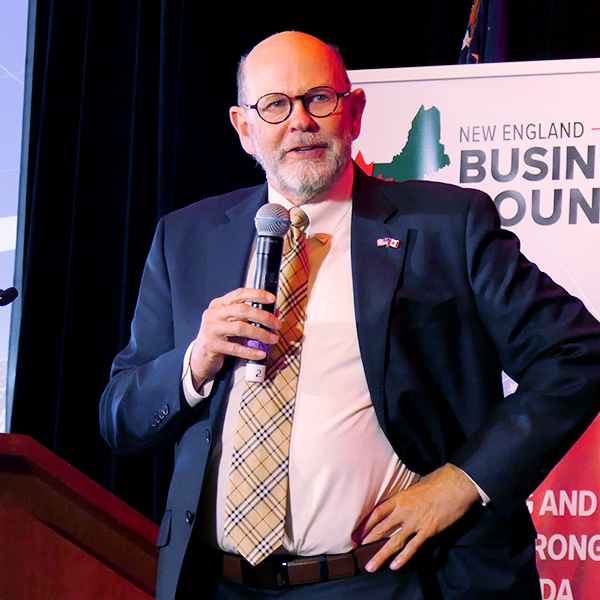
Energy leaders from the U.S. and Canada grappled with the challenges of balancing decarbonization and affordability at the New England-Canada Business Council’s Executive Energy Conference.
Hyzon
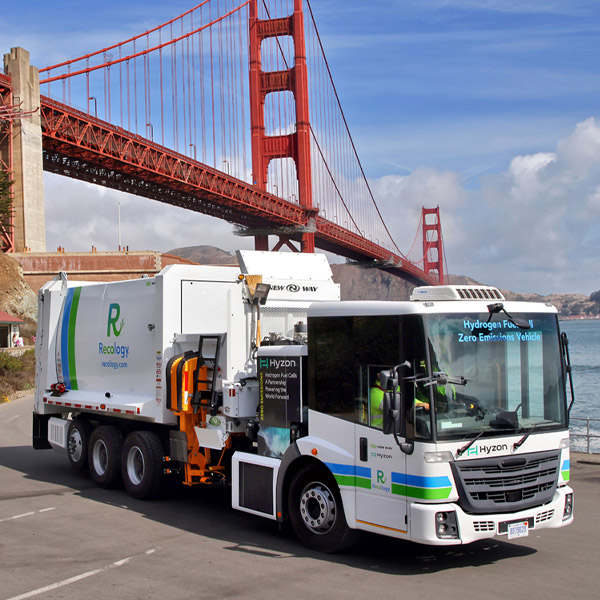
California regulators approved a $35 million package of clean transportation incentives for fiscal year 2024/25, a steep drop in funding that is raising concerns about the fate of programs not funded by the package.
Shutterstock
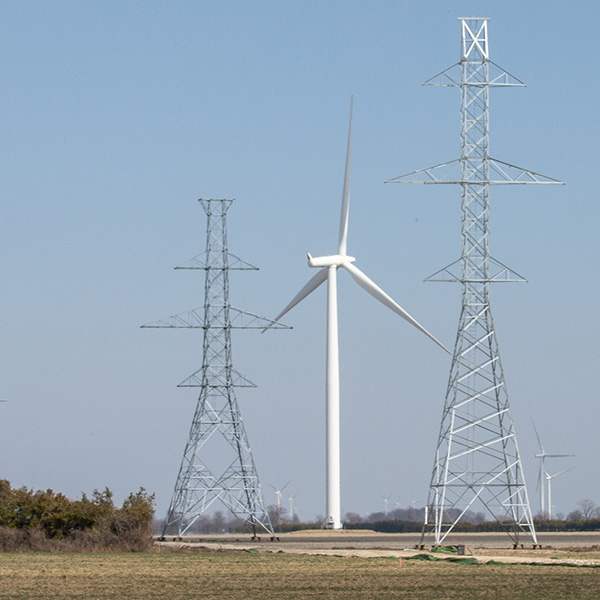
Advanced Energy United released a report finding major economic benefits from speeding up the queues, which will lead to more investments in generation and associated jobs across the country.
Raritan Valley Community College
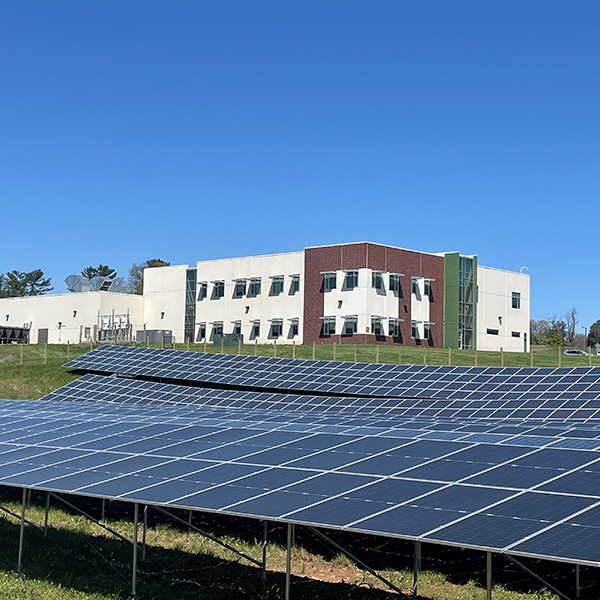
New Jersey has launched a yearlong process to evaluate the effectiveness of its solar net-metering system and generate possible alternatives.
New York Power Authority
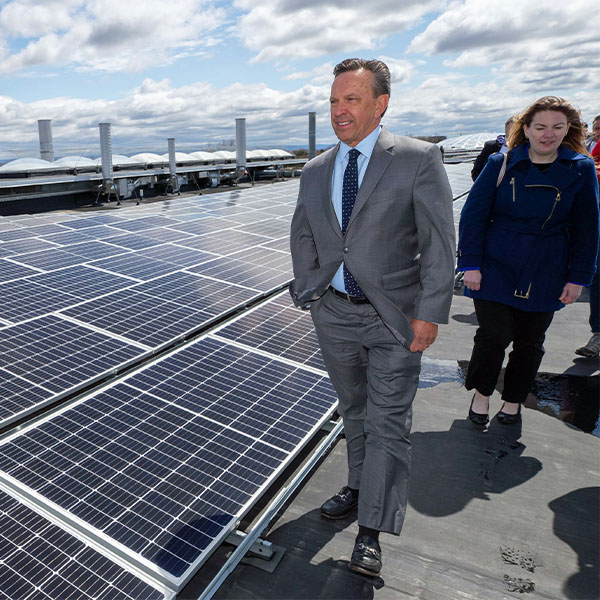
Clean energy advocates want NYPA to shoot for 15 GW of renewables rather than the 3.5 GW target in its draft plan.

© RTO Insider LLC
Massachusetts lawmakers and industry members must double down on efforts to rapidly scale up new renewable technologies to meet the needs of the energy transition, speakers at the Northeast Energy and Commerce Association’s Energy Innovation Forum emphasized.
Want more? Advanced Search