State and Local Policy
AlabamaArizonaCaliforniaCA LegislationCalifornia Air Resources Board (CARB)California Energy Commission (CEC)California Public Utilities Commission (CPUC)ColoradoConnecticutDelawareDistrict of ColumbiaFloridaGeorgiaHawaiiIdahoIllinoisIndianaKentuckyLouisianaMaineMarylandMassachusettsMichiganMinnesotaMississippiMissouriMontanaNevadaNew HampshireNew JerseyNew MexicoNew YorkNYSERDAPublic Service CommissionNorth CarolinaNorth DakotaOhioOntarioOregonPennsylvaniaRhode IslandSouth CarolinaTennesseeTexasUtahVermontVirginiaWashingtonWest VirginiaWisconsinWyoming
© RTO Insider LLC
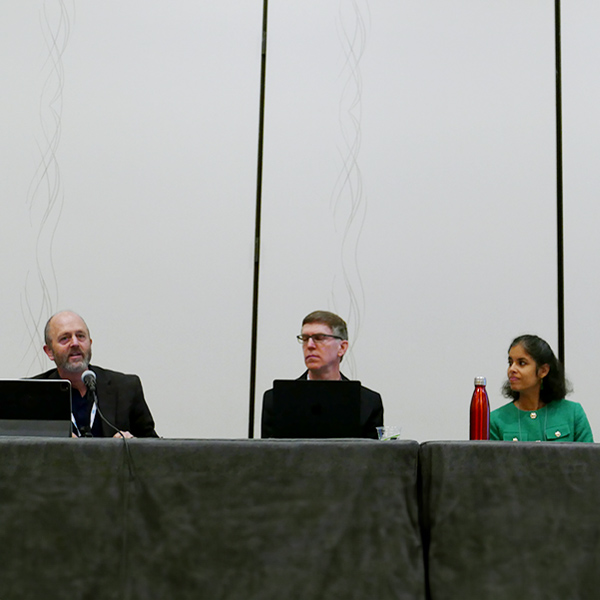
Clean energy experts at this year’s NARUC Annual Meeting expressed confidence in the U.S.’ progress toward decarbonizing the grid. But some also wonder about potential cuts to Inflation Reduction Act funding.
Avangrid
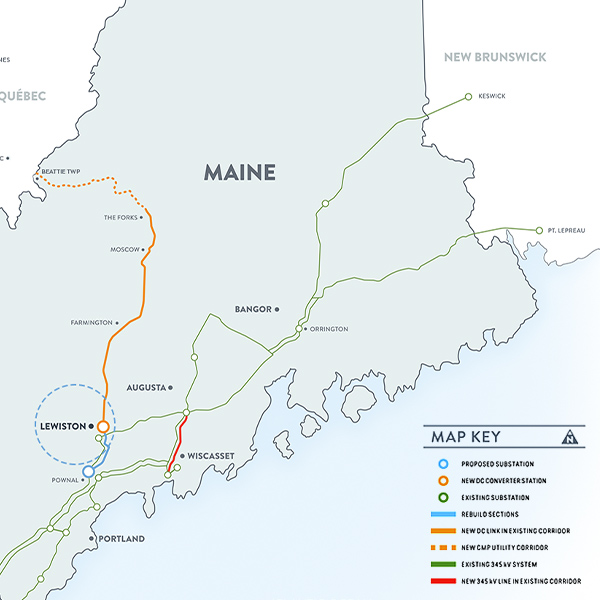
In an antitrust lawsuit filed in federal court, Avangrid accused NextEra Energy of conducting an “exclusionary and anticompetitive scheme” to stop a major transmission project connecting New England to Quebec.
Constellation Energy
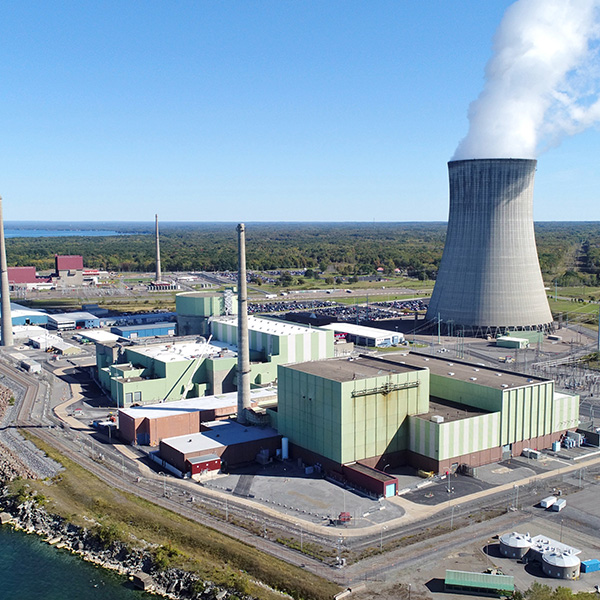
The move comes two months after NYSERDA issued a draft blueprint for consideration of advanced nuclear technologies at a summit convened to discuss the state’s future energy economy.
Digihost Technology
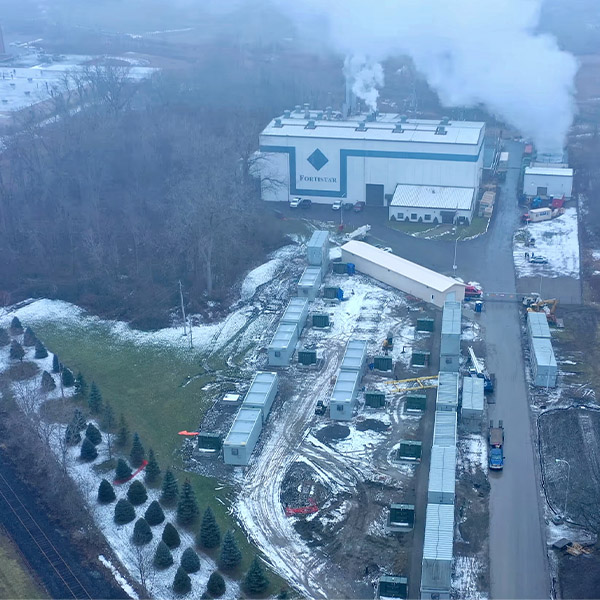
Environmental advocates won a round in their long-running court battle over conversion of a New York peaker plant to a cryptocurrency mining operation
Shutterstock
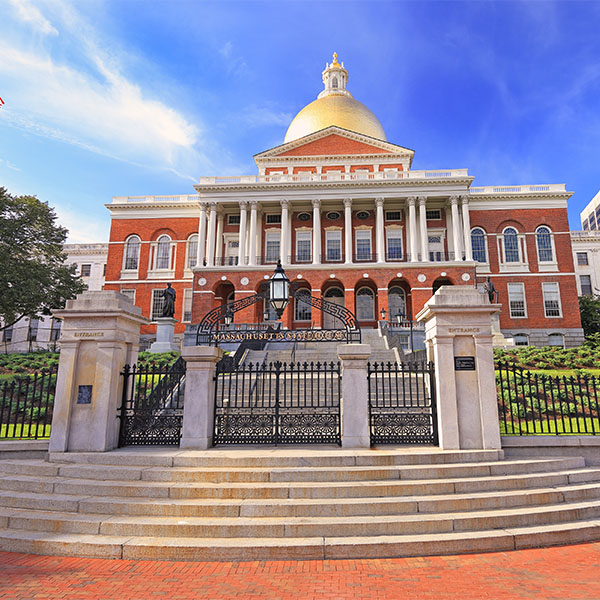
The Massachusetts legislature finally has sent a wide-ranging climate bill to the desk of Gov. Maura Healey, who has indicated she will sign the legislation.

© RTO Insider LLC
Washington Gov. Jay Inslee’s biggest anti-global warming measure remains intact after the state’s voters rejected a ballot initiative to repeal the nation’s second cap-and-trade program.
EDP Renewables
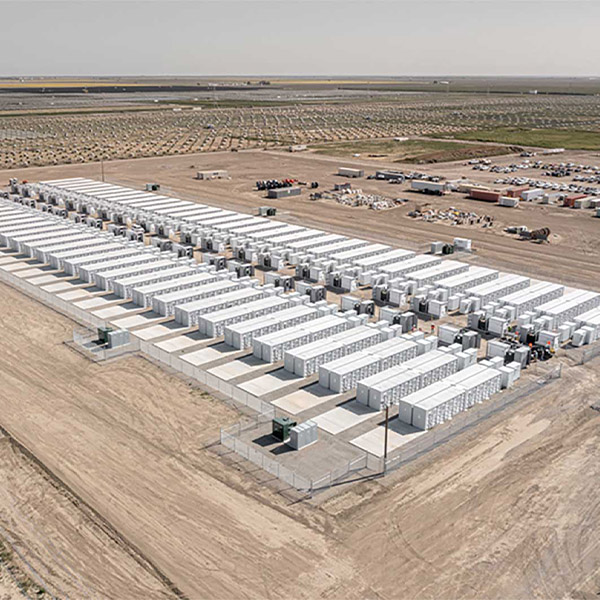
New Jersey’s Board of Public Utilities released an update to its proposed Storage Incentive Program that changes how the subsidies for utility-scale projects are determined as the state shoots for 2,000 MW of total capacity by 2030.

© RTO Insider LLC
NYSEIA is looking to continue the momentum for distributed solar after a key milestone was achieved, but plenty of challenges remain.
Office of Gov. Gavin Newsom
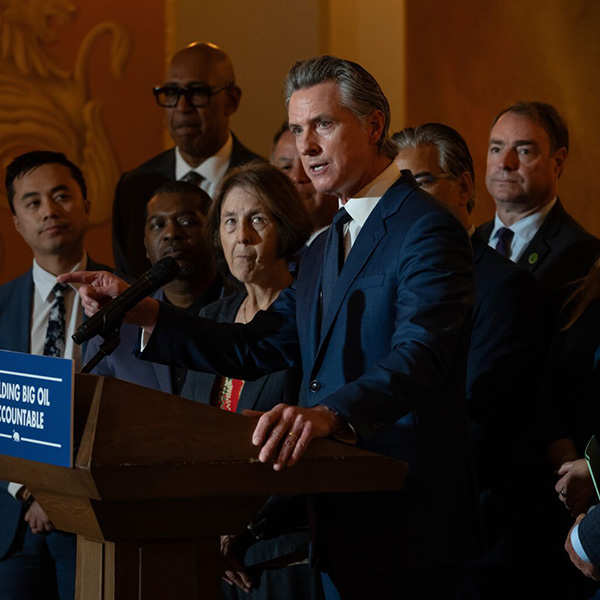
The California governor is convening a special session of the state legislature to take steps “to safeguard California values” — including the fight against climate change — ahead of president-elect Donald Trump’s second term.
Lawrence Berkeley National Laboratory
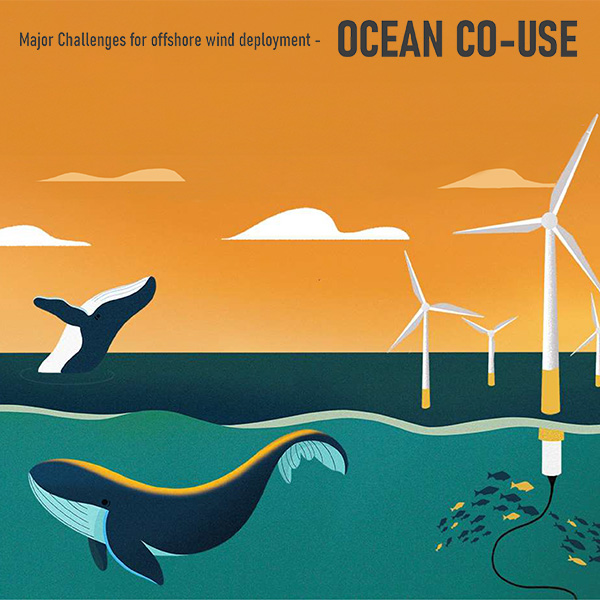
California’s floating offshore wind industry is getting a boost from $30 million in research and development funds from the state Energy Commission’s EPIC program.
Want more? Advanced Search