FERC & Federal
The Federal Energy Regulatory Commission is an independent regulatory agency that oversees the transmission of electricity, natural gas and oil in interstate commerce, as well as regulating hydroelectric dams and natural gas facilities.
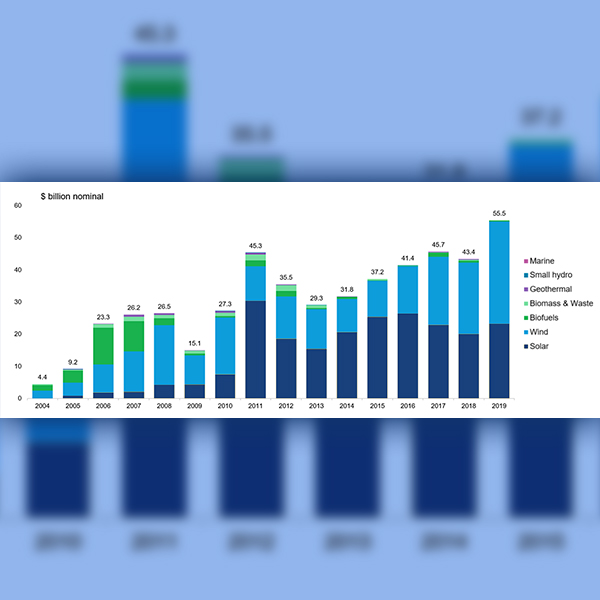
U.S. renewable investments jumped 28% to $55.5 billion in 2019, showing clean energy is thriving despite the government’s failure to enact climate policies.

Lawyers representing shareholders, fire victims and the government are still wrangling to secure a share of the multibillion-dollar pot PG&E will pay out.
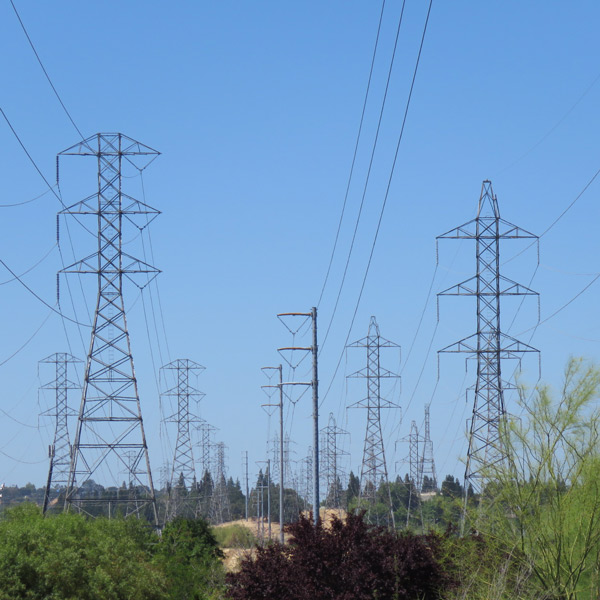
Transmission owners defended PJM’s, ISO-NE’s and SPP’s immediate-need reliability projects while states said they are frustrating FERC Order 1000’s intent.
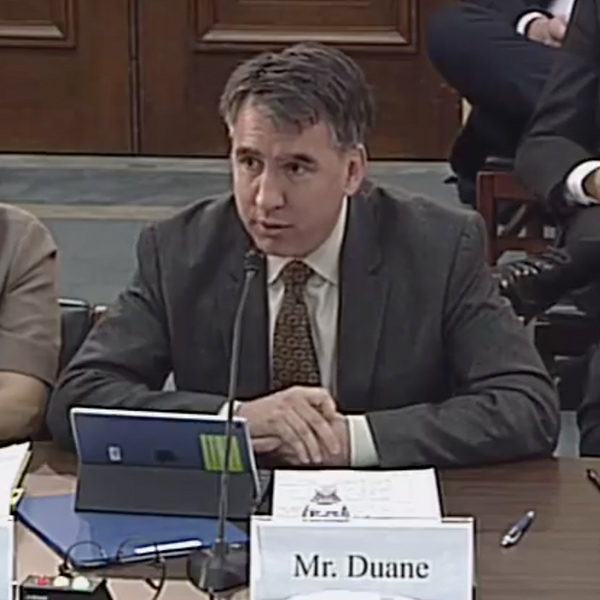
Energy Trading Institute
The ISO/RTO Council asked FERC to reject financial traders’ request to update RTO credit policies, saying it would upset stakeholder proceedings.
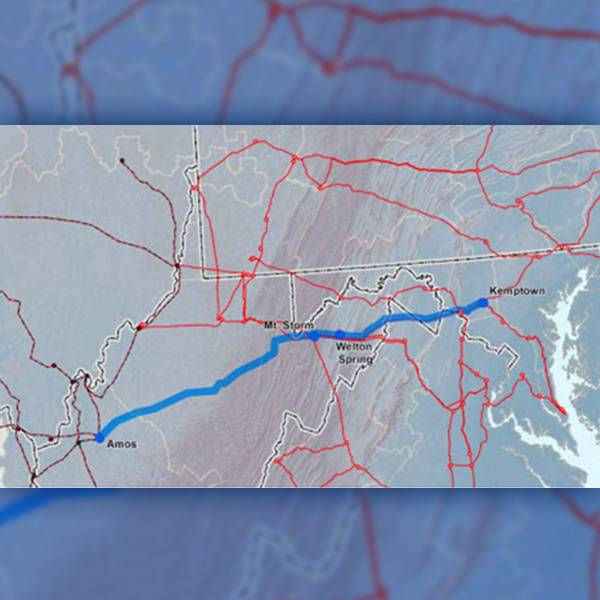
FERC said its revised interpretation of accounting rules supports a rehearing request from developers of the abandoned PATH transmission project.
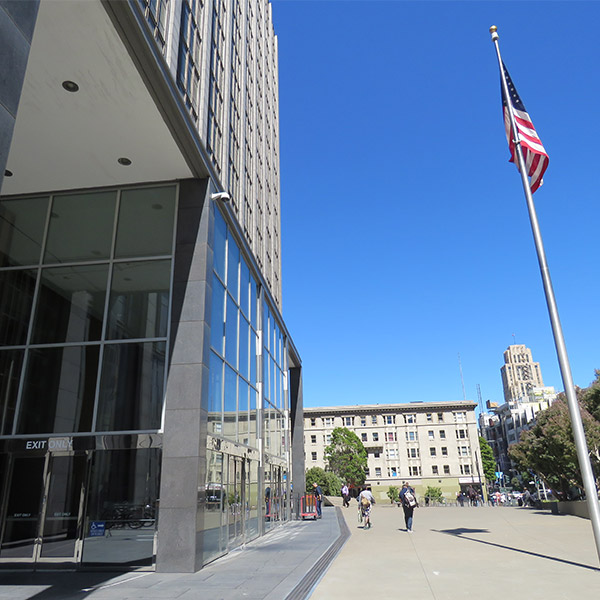
PG&E settled with bondholders whose competing reorganization plan may have been the biggest threat to having its own Chapter 11 reorganization plan adopted.

FERC Commissioner Bernard McNamee said he would not seek another term, opening up another slot on the commission for the White House and Senate to fill.

FERC declined to reconsider two orders upholding NEPOOL’s gag rule but allowing an RTO Insider reporter to join the organization’s End User sector.
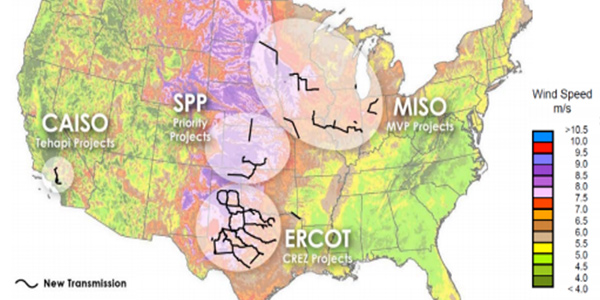
Former FERC chairs celebrated two decades of RTOs with a call on legislation to increase interregional transmission and price carbon emissions into markets.
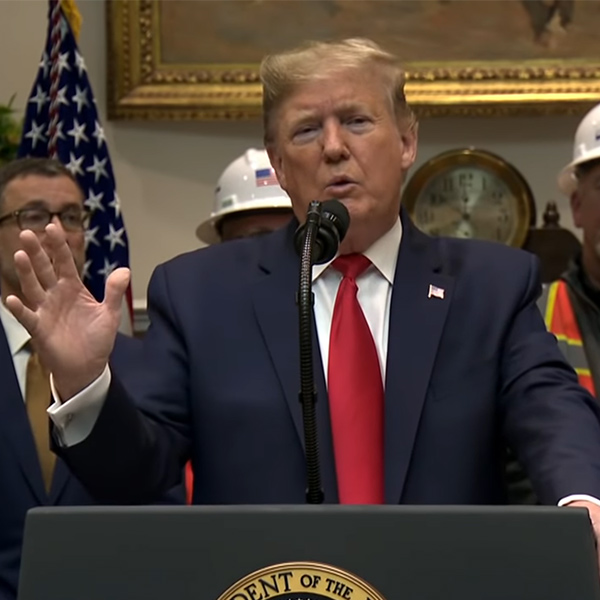
Trump’s Council on Environmental Quality proposed easing environmental reviews under NEPA, calling for tighter deadlines and more formal cooperation.
Want more? Advanced Search