FERC & Federal
The Federal Energy Regulatory Commission is an independent regulatory agency that oversees the transmission of electricity, natural gas and oil in interstate commerce, as well as regulating hydroelectric dams and natural gas facilities.
NASA
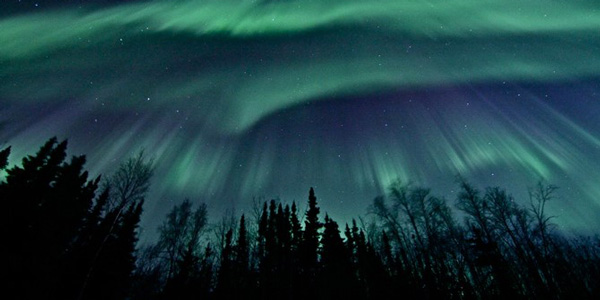
FERC proposed to approve a revised reliability standard on geomagnetic disturbances but directed NERC to also require mitigation of vulnerabilities to localized events.
NOAA
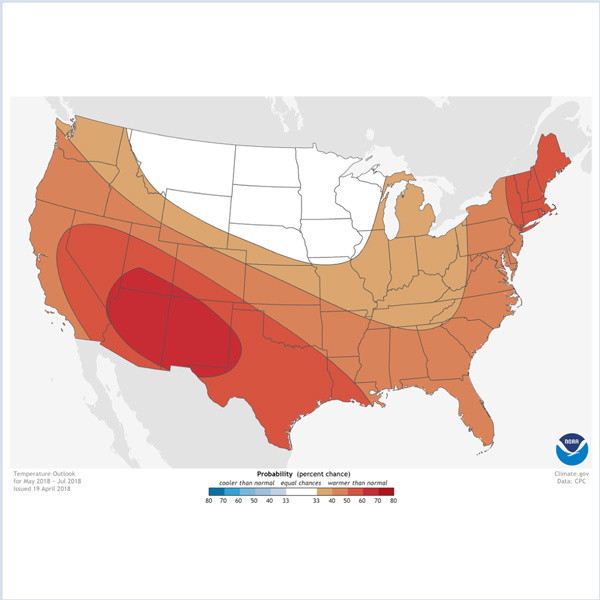
FERC will be closely monitoring ERCOT and Southern California this summer as most of the country faces the likelihood of above-normal temperatures.
Occidental Chemical
FERC will review how it enforces the 1978 Public Utility Regulatory Policies Act (PURPA), with the commission’s treatment of the 1-mile rule a likely focus.
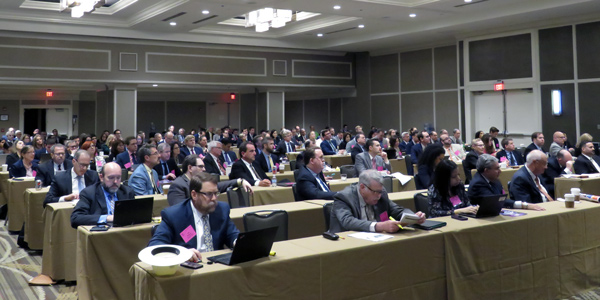
More than 400 attorneys and other energy professionals attended the Energy Bar Association's annual meeting.

The Energy Bar Association closed its annual meeting with an entertaining panel discussion with five former FERC chairs.

It’s been 10 years since FERC revised its enforcement policy guidelines, and two former commission attorneys think it might be time for a check-up.
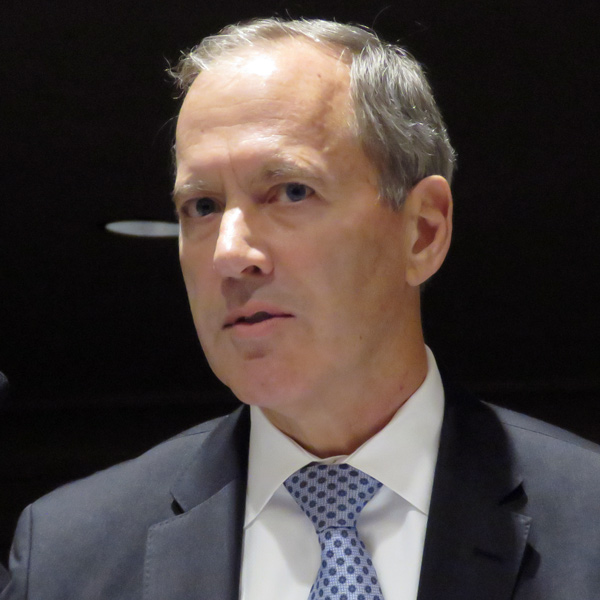
As FERC considers changes in its merger policy, panelists at the Energy Bar Association (EBA) discussed the pros and cons of adding tests to determine market power.
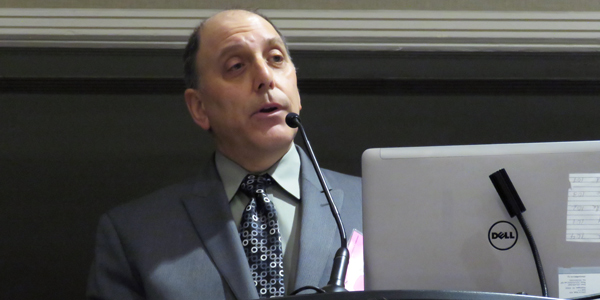
FERC’s delay in responding to the D.C. Circuit’s Emera Maine return-on-equity ruling has created uncertainty, a panel told the Energy Bar Association’s (EBA) annual meeting.
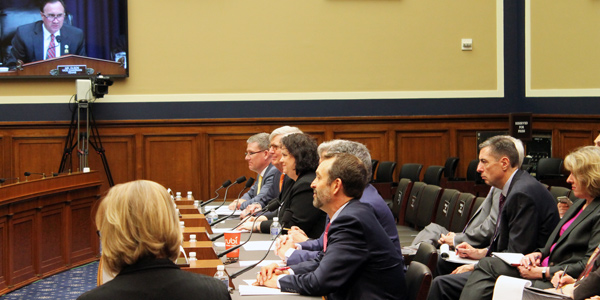
Votes on the House floor kept a House Energy Subcommittee hearing on transmission planning to about 90 minutes.
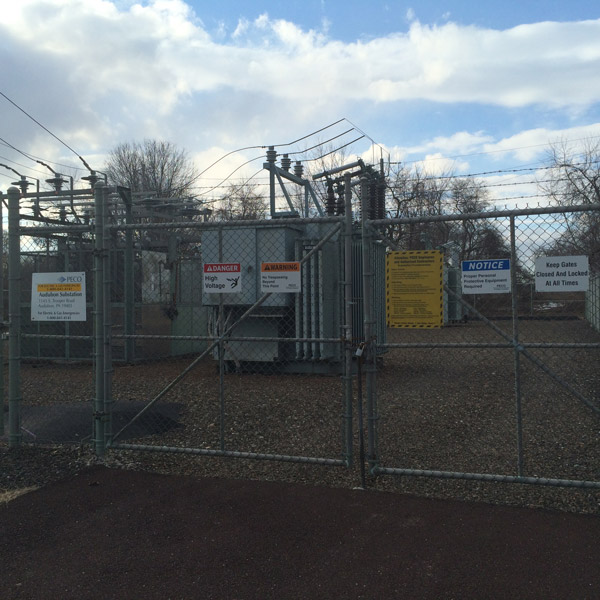
FERC should let RTO stakeholder processes work and not issue broad and costly new mandates on grid resilience, commenters told the commission.
Want more? Advanced Search