FERC & Federal
The Federal Energy Regulatory Commission is an independent regulatory agency that oversees the transmission of electricity, natural gas and oil in interstate commerce, as well as regulating hydroelectric dams and natural gas facilities.
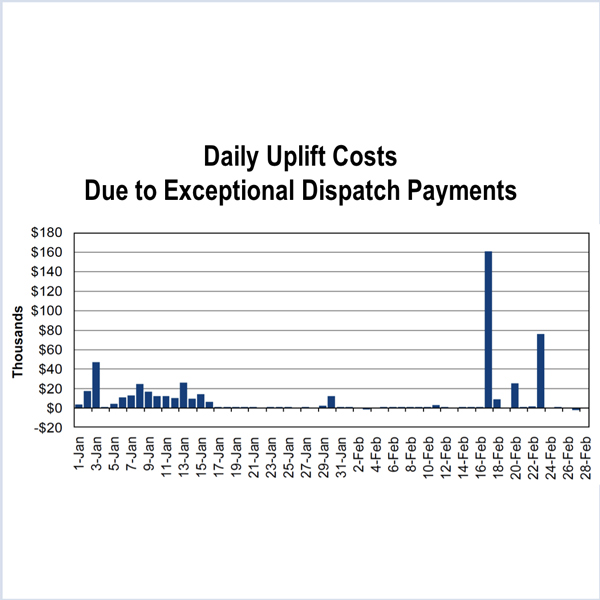
FERC ordered RTOs and ISOs to submit monthly reports detailing their uplift payments and operator-initiated commitments.

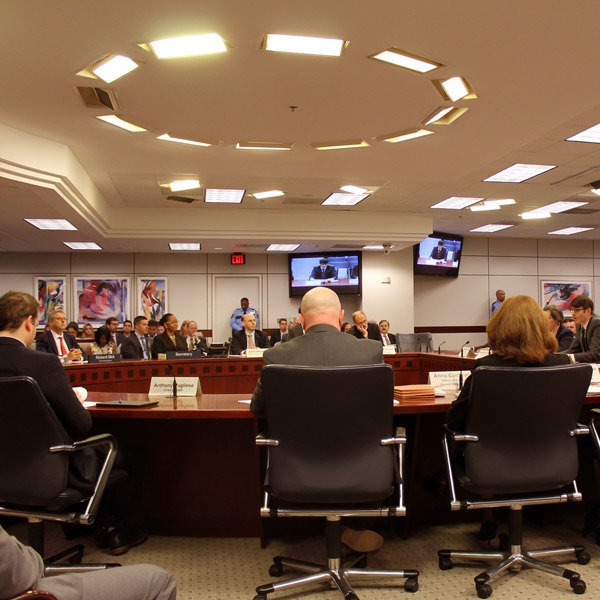
The West’s utility regulators took a crash course on the legal implications of their utilities joining organized electric markets (RTOs)at the spring 2018 joint CREPC-WIRAB meeting.
© RTO Insider
As they have in the past four years, the trends in natural gas dominated the discussion of FERC’s annual State of the Markets report.
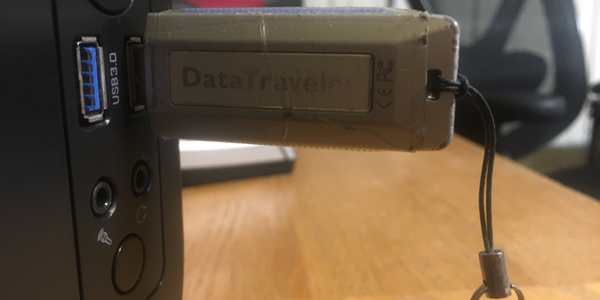
FERC approved rules to prevent malware from infecting “low impact” computer systems through devices such as laptops and thumb drives.
National Fuel Gas
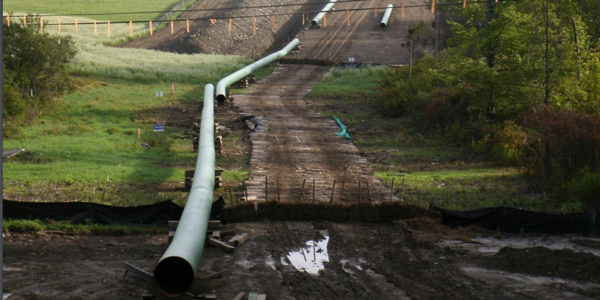
FERC will open a 60-day comment period on potential changes to its policy statement on the permitting of natural gas pipelines.
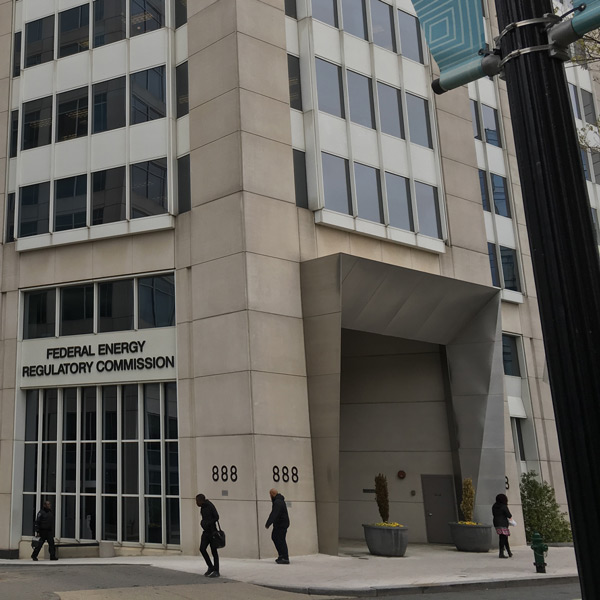
FERC approved PJM’s proposed rules for implementing restrictions imposed on energy efficiency resources by state or local regulators.
© RTO Insider
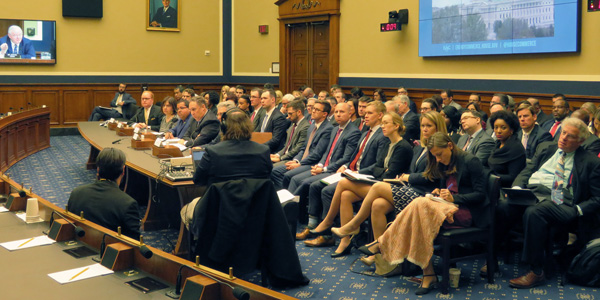
Congress will be watching FERC’s review of its policy on licensing natural gas pipelines very closely. Any changes FERC makes are unlikely to please all members, however.
Xcel Energy
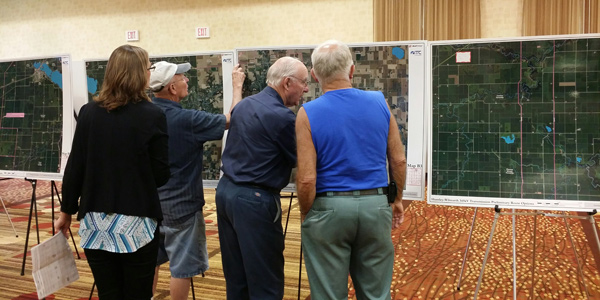
The U.S. Justice Department said that a Minnesota law granting in-state transmission owners rights of first refusal on grid additions is unconstitutional.

Hundreds of investors, utility executives and others gathered for Bloomberg New Energy Finance’s Future of Energy Summit.
DC-Circuit
A three-judge panel of the D.C. Circuit Court of Appeals questioned FERC over its approval of ISO-NE’s renewable exemption from the MOPR.
Want more? Advanced Search