FERC & Federal
The Federal Energy Regulatory Commission is an independent regulatory agency that oversees the transmission of electricity, natural gas and oil in interstate commerce, as well as regulating hydroelectric dams and natural gas facilities.
© RTO Insider
The U.S. offshore wind market has gained momentum in the last two years, panelists told the Energy Bar Association’s Mid-Year Energy Forum.
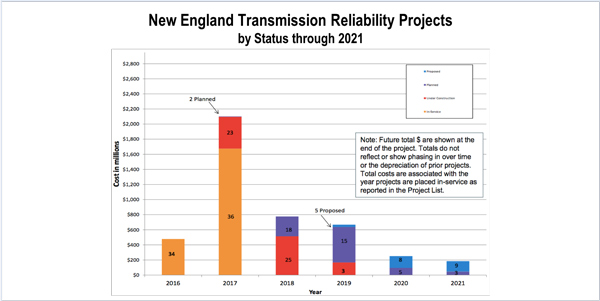
ISO-NE will revise the scope of its 2027 transmission needs assessments after stakeholders raised questions about the study’s dispatch modeling.
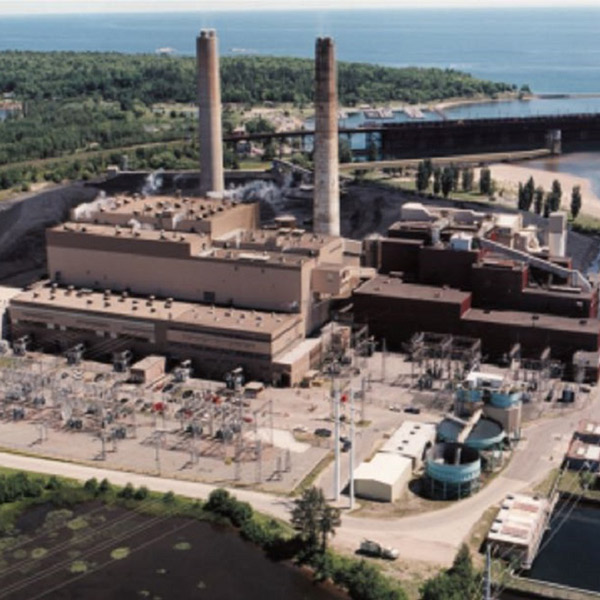
WEPCo
FERC ruled that WEPCo overcharged ratepayers on Michigan’s Upper Peninsula by almost $23 million under MISO-ordered SSR agreements.

Two panels at the Energy Bar Association’s Mid-Year Energy Forum offered views of the future: one for coal, and one for intermittent sources.
FERC
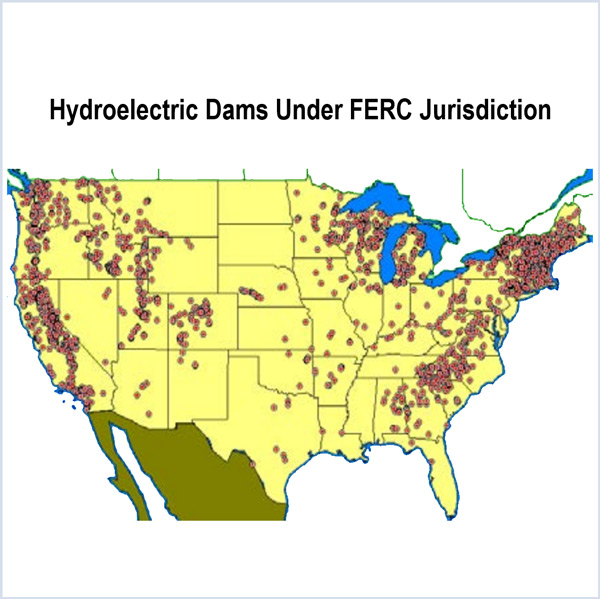
FERC set a 40-year default term for hydropower licenses, a move it said will reduce administrative costs and encourage dam owners to upgrade capacity.
© RTO InsiderFI
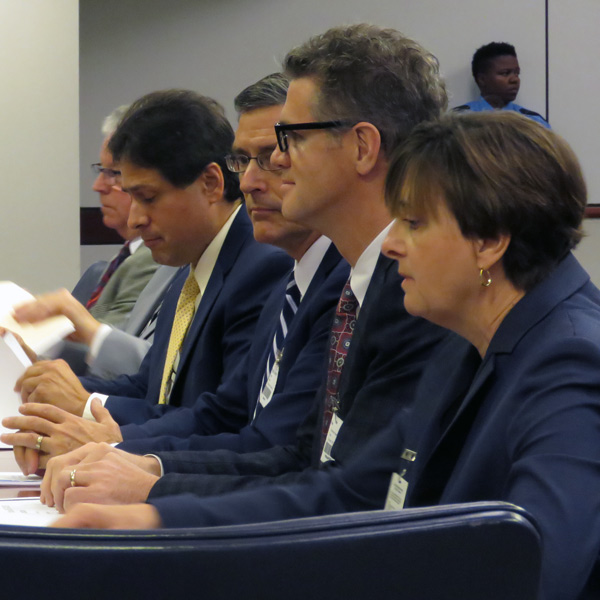
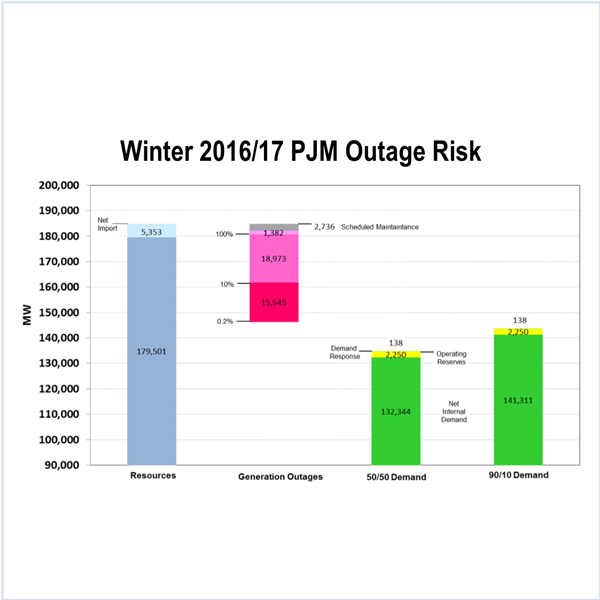
Gas supply for New England and Southern California is the top reliability concern for the coming winter, FERC officials said.
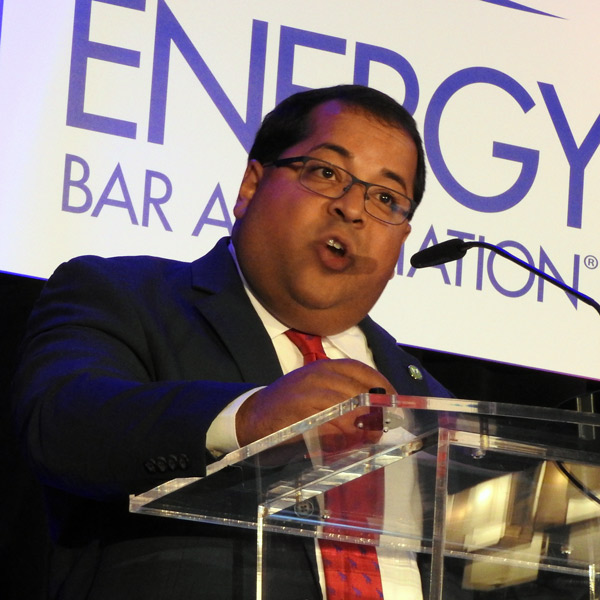
Speaking Tuesday at the Energy Bar Association’s midyear conference, FERC Chairman Neil Chatterjee tallied off six objectives for revising the commission’s regulatory posture.
ReliabilityFirst
Columnist Steve Huntoon argues that the Energy Department's grid resiliency pricing NOPR was issued at the behest of the coal industry.

© RTO Insider
The fate of the West’s coal-fired power was already sealed prior to the EPA announcement that it will seek to repeal the Clean Power Plan (CPP).
Duke Energy
FERC's consideration of the impact of greenhouse gas emissions won’t have a “significant” impact on the licensing of natural gas pipelines, Chatterjee said.
Want more? Advanced Search