FERC & Federal
The Federal Energy Regulatory Commission is an independent regulatory agency that oversees the transmission of electricity, natural gas and oil in interstate commerce, as well as regulating hydroelectric dams and natural gas facilities.
Resources for the Future
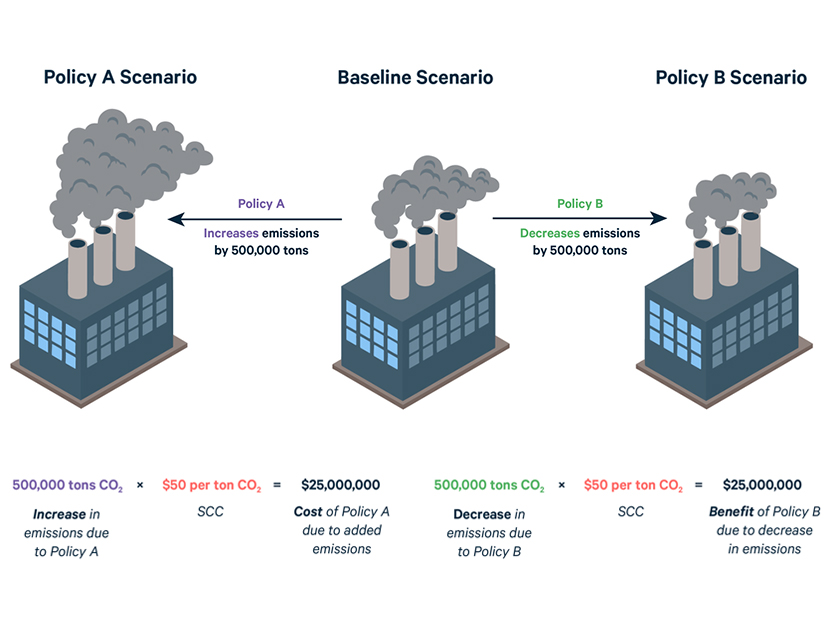
More granular data and improved computing power are allowing economists to refine their climate change predictions — and, they hope, influence policy.
Shutterstock
Panelists dissected FERC’s proposed rulemaking on transmission planning and cost allocation, noting what the commission left out and the challenges ahead.
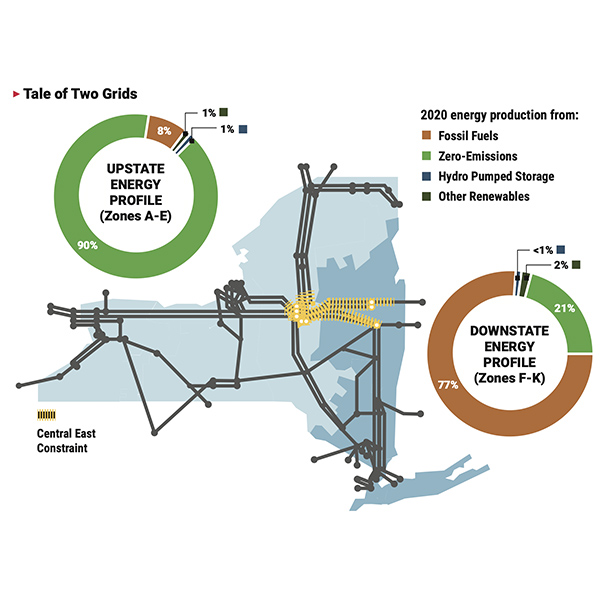
NYISO rejected most comments on its treatment of distributed energy resources and aggregations, urging FERC to accept the its Order 2222 compliance filing.
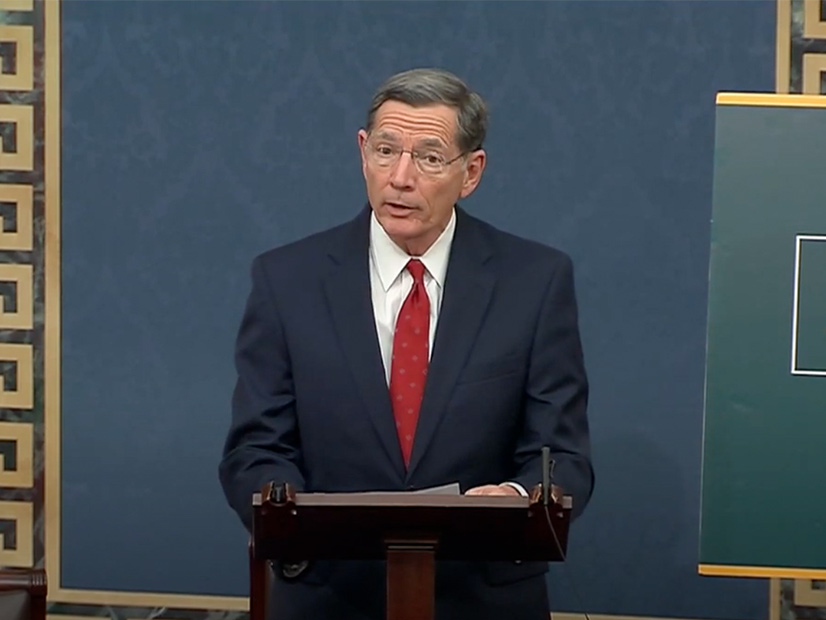
Senate Energy and Natural Resources Committee
Sen. John Barrasso (R-Wyo.) called on FERC to speed up action on several matters, including pipelines and the Southeast Energy Exchange Market.
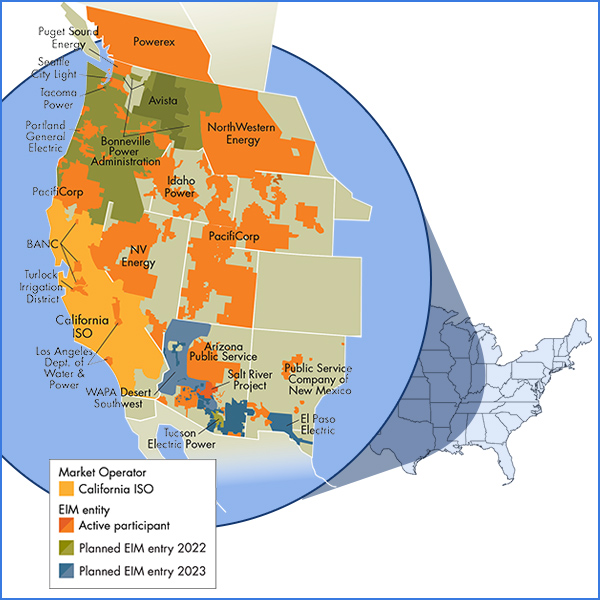
CAISO
WAPA's Desert Southwest Region said it plans to join CAISO's Western Energy Imbalance Market, further splitting the PMA's regions between the ISO and SPP.
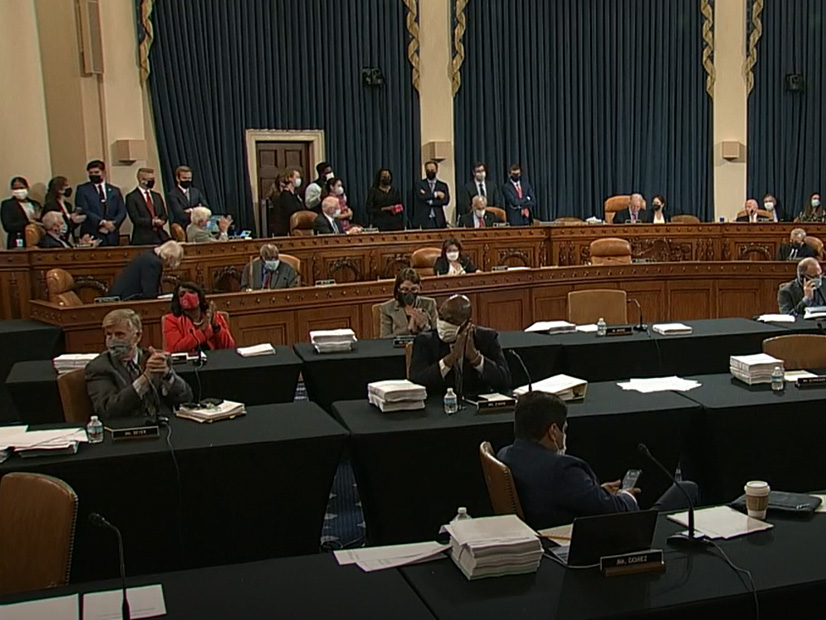
C-SPAN
The House Ways and Means Committee approved Democrats’ $3.5 trillion spending package, which includes billions for energy efficiency, renewables and EVs.
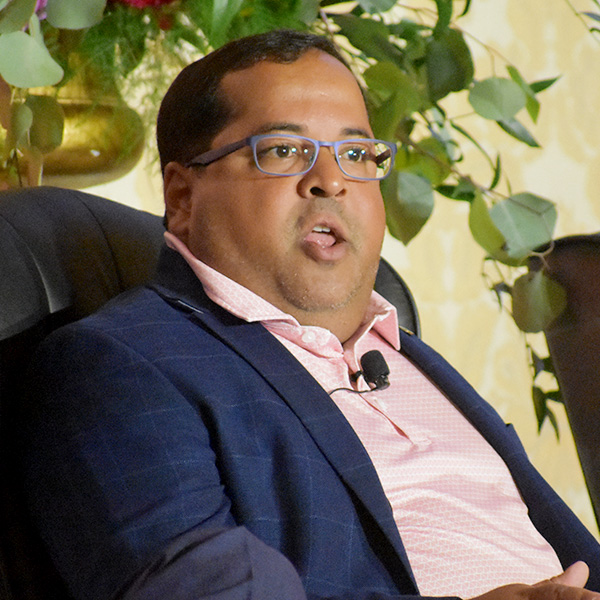
© RTO Insider LLC
Neil Chatterjee’s 4 years at FERC transformed him from playing a partisan game of thrones to advocating for a carbon price as a way to mitigate climate change.
CPES/NEWIEE
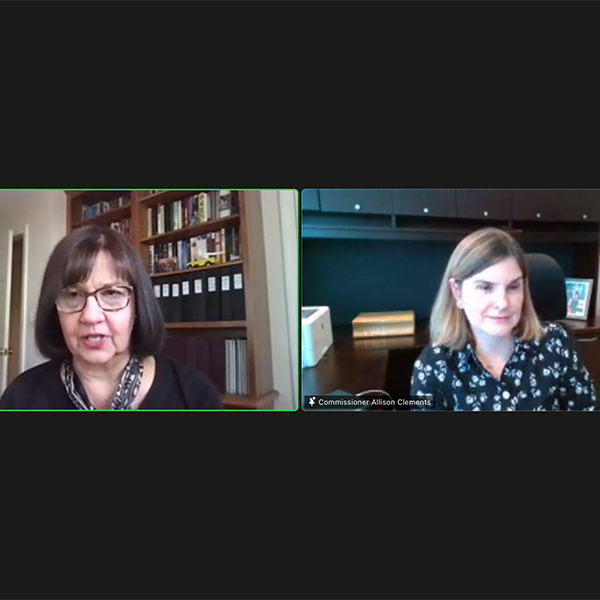
Cheryl LaFleur and FERC Commissioner Allison Clements spoke at the annual joint event between CPES and New England Women in Energy and the Environment.
PJM
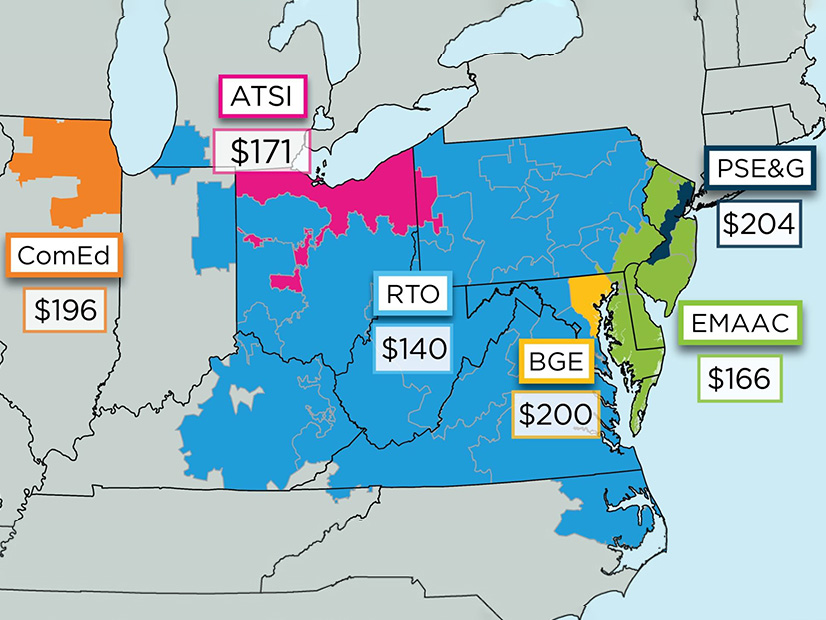
PJM asked FERC to delay the Dec. 1 capacity auction by almost two months, citing the commission’s recent revision to auction rules.
WATT Coalition
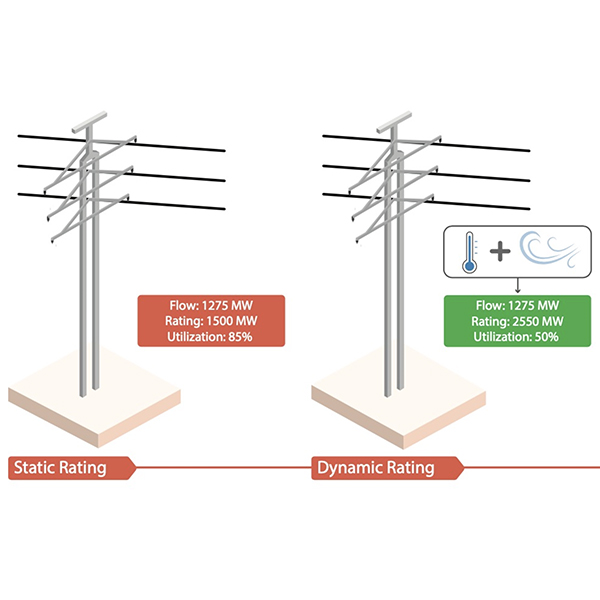
Participants at FERC’s workshop on performance-based ratemaking approaches support GETs, but they disagree on how best to foster their adoption.
Want more? Advanced Search