
FERC & Federal
The Federal Energy Regulatory Commission is an independent regulatory agency that oversees the transmission of electricity, natural gas and oil in interstate commerce, as well as regulating hydroelectric dams and natural gas facilities.
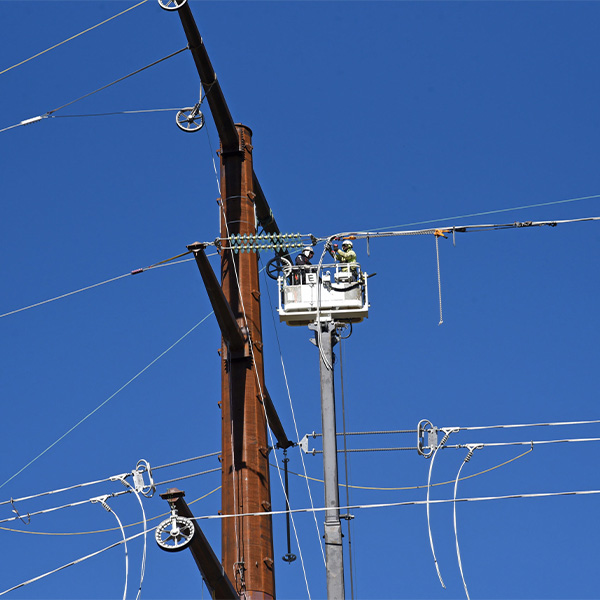
ATC and ITC Midwest
The bipartisan Problem Solvers Caucus introduced a framework it hopes can lead to permitting legislation this session.

FERC
FERC focused on large loads and clearing out older proceedings during its September meeting, with two of three current members saying they hoped to move a pending proceeding on co-located loads in the near future.
Shutterstock
Ongoing cases working their way through the courts have raised questions about the future of FERC's independence.
© RTO Insider LLC
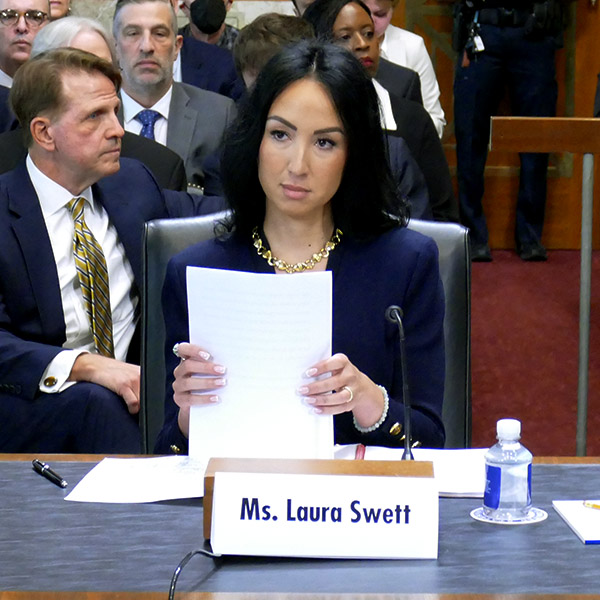
The two nominees to open seats on FERC, Laura Swett and David LaCerte, both cleared the committee in largely party line votes of 12-8 in a hearing.
EIA
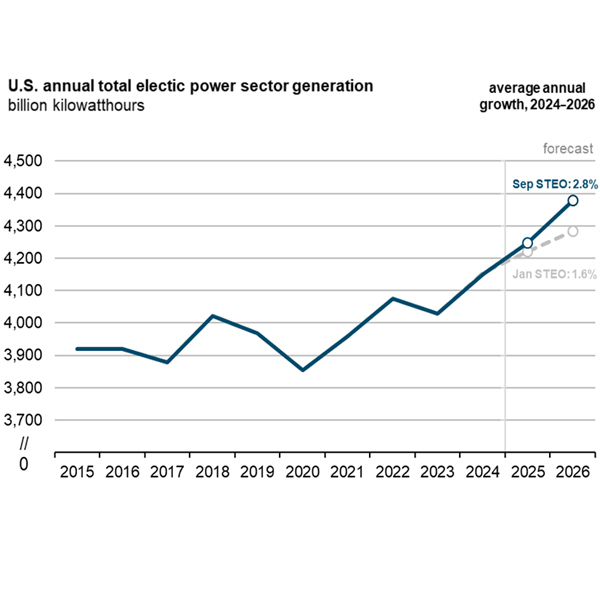
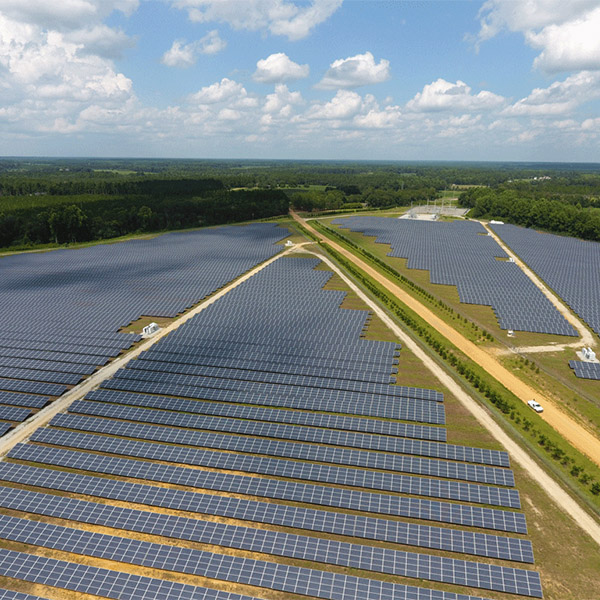
The U.S. Energy Information Administration is boosting its estimate of national power generation growth to 2.3% this year and 3.0% next year.
EMC Engineering Services
The D.C. Circuit Court of Appeals upheld an earlier decision that sided with FERC on a PURPA case without using Chevron deference, agreeing with the commission's statutory interpretation.
Transource
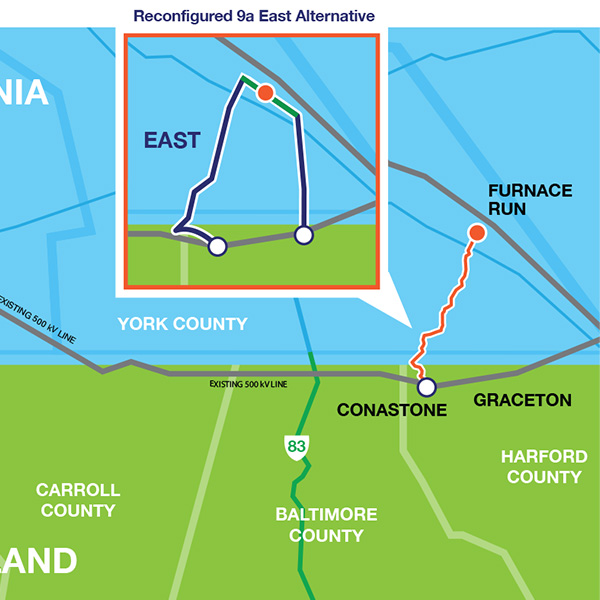
The U.S. Third Circuit Court of Appeals ruled that the Pennsylvania Public Utility Commission violated the Constitution in denying Transource Energy permits necessary to construct the Independence Energy Connection transmission project.
© RTO Insider
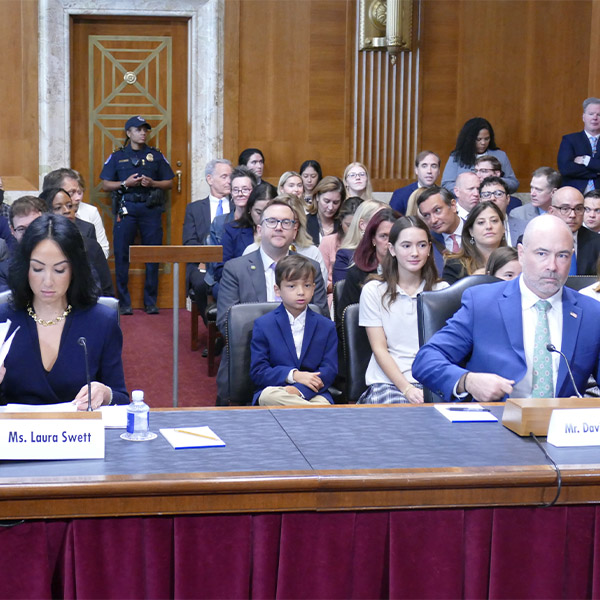
FERC nominees Laura Swett and David LaCerte took questions from senators at a confirmation hearing, including many about the future of independent agencies.
Shutterstock
Parties filed their first briefs in the appeal of FERC Order 1920, which mandated changes to regional transmission planning and cost-allocation rules.
NuScale
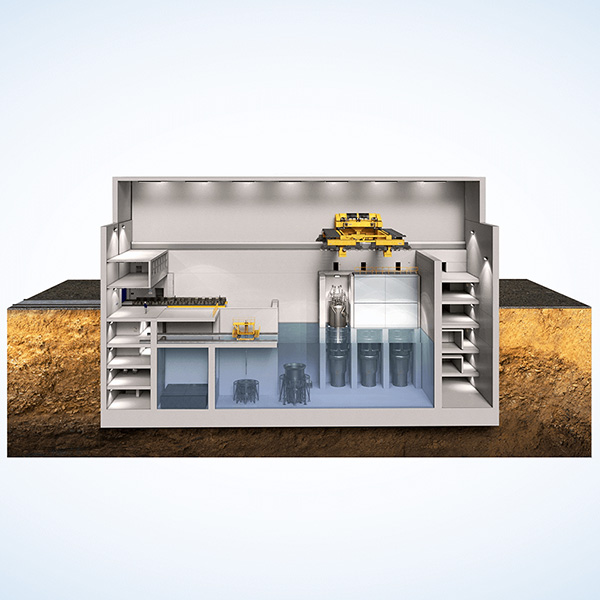
TVA and ENTRA1 Energy will develop new nuclear plants using the small modular reactor NuScale Power expects to deploy by 2030.
Want more? Advanced Search
