FERC & Federal
The Federal Energy Regulatory Commission is an independent regulatory agency that oversees the transmission of electricity, natural gas and oil in interstate commerce, as well as regulating hydroelectric dams and natural gas facilities.
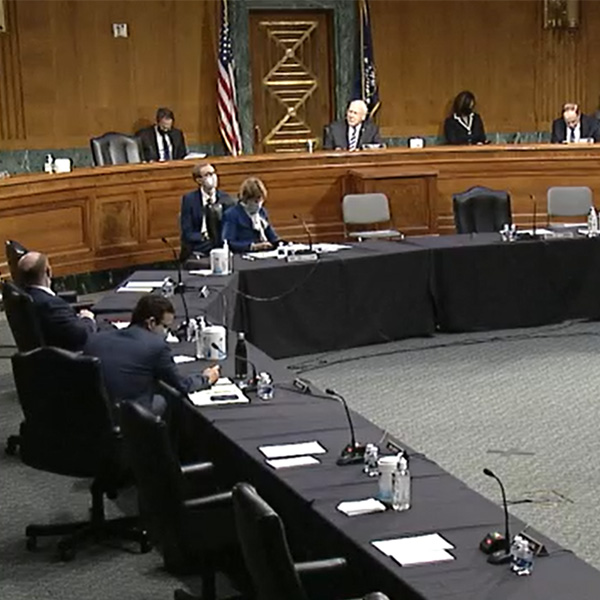
Republican Senators grilled members of Biden’s cabinet over the president’s proposed $2.3 trillion infrastructure plan, saying it is too broad & expensive.
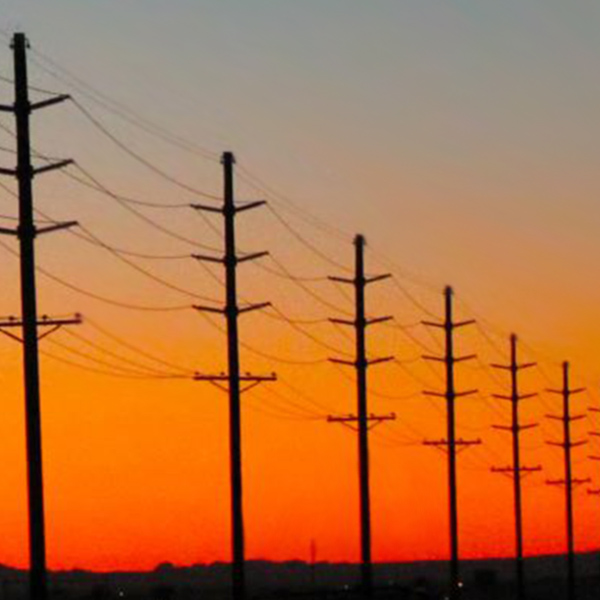
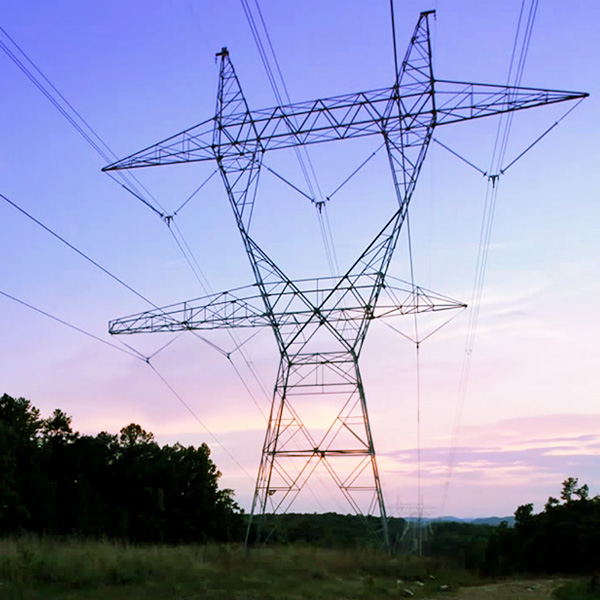
FERC approved incentive rates for a project to upgrade the Citizens-S Line, an 18-mile wooden-pole transmission line in Southern Calif., to steel towers.
FERC heard from affected communities, landowners, consumer advocates and others on how to set up its new Office of Public Participation.
NACFE
The DOE said transportation accounts for the largest share of the nation's GHG emissions and must be significantly reduced to reach net zero by 2050.
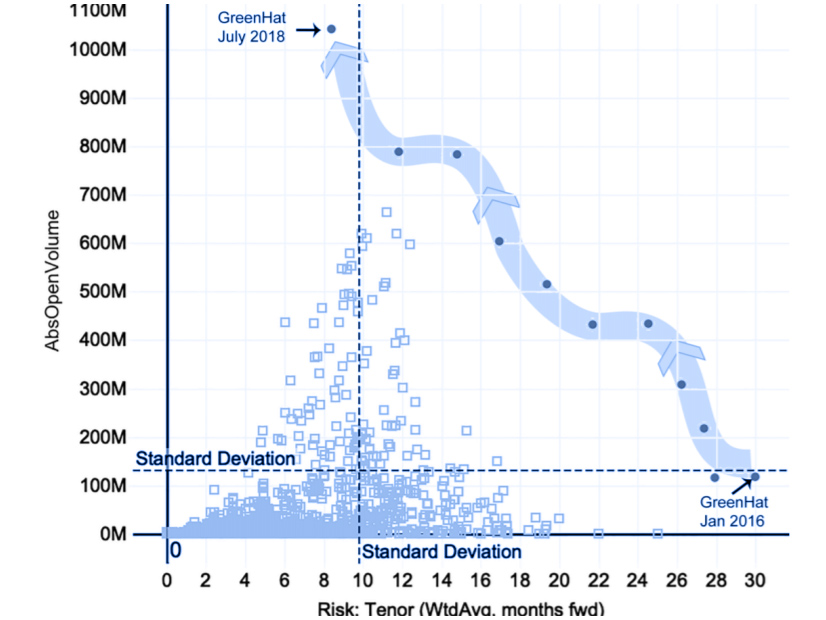
FERC rejected GreenHat Energy's arguments in a rehearing request on its contract dispute with Shell Energy.
MISO
FERC approved several interconnection and facilities service agreements submitted by MISO to comply with a 2019 commission ruling.
© RTO Insider LLC
FERC voted to approve a supplemental NOPR that would scale back a transmission rate adder designed to encourage utilities to join RTOs.
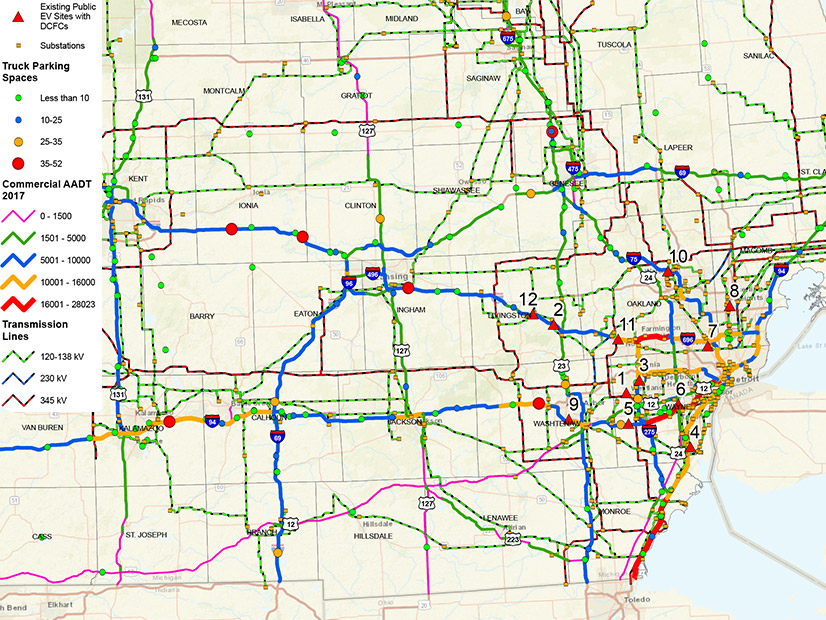
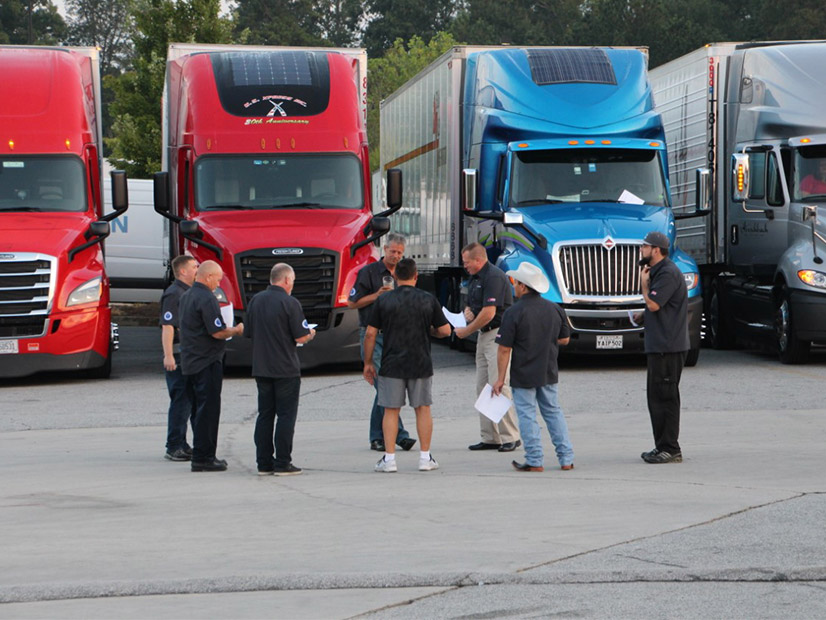
FERC sided with 2 Mich. utilities in a turf war with METC over its request to spend $15 million on a pilot project to build chargers for long-haul trucks.
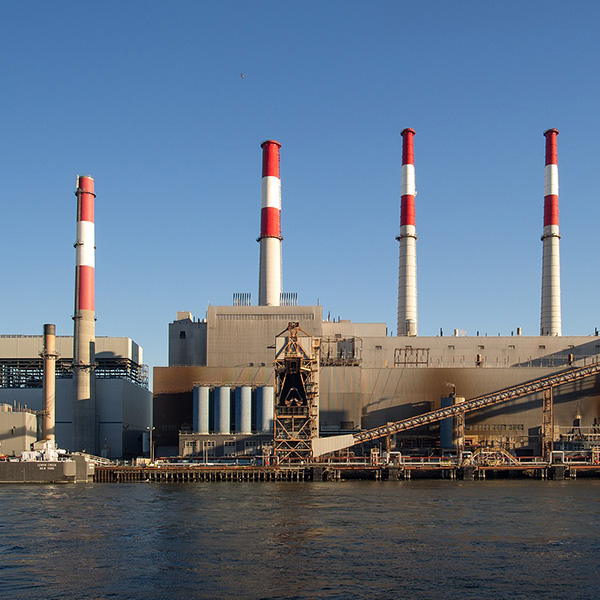
Rhododendrites, CC BY-SA 4.0, via Wikimedia Commons
FERC approved a policy statement on how it would review carbon pricing proposals in organized wholesale electricity markets.
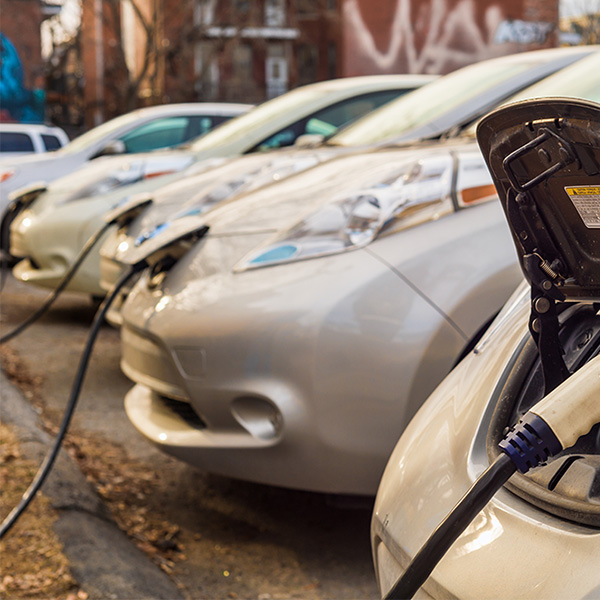
A report from UC Berkeley calls for massive ramp-up of solar and charging infrastructure so the U.S. can reach 100% EV sales by 2030.
Want more? Advanced Search