FERC & Federal
The Federal Energy Regulatory Commission is an independent regulatory agency that oversees the transmission of electricity, natural gas and oil in interstate commerce, as well as regulating hydroelectric dams and natural gas facilities.
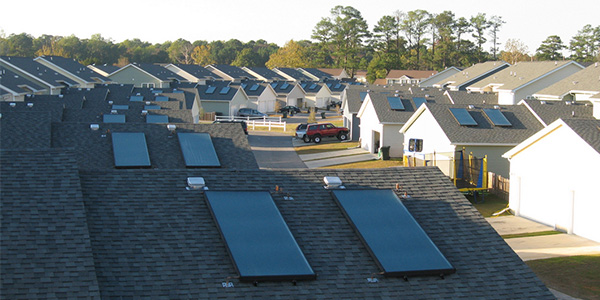
Panelists at the National Association of Regulatory Utility Commissioners Winter Policy Summit discussed the benefits and challenges of net energy metering.
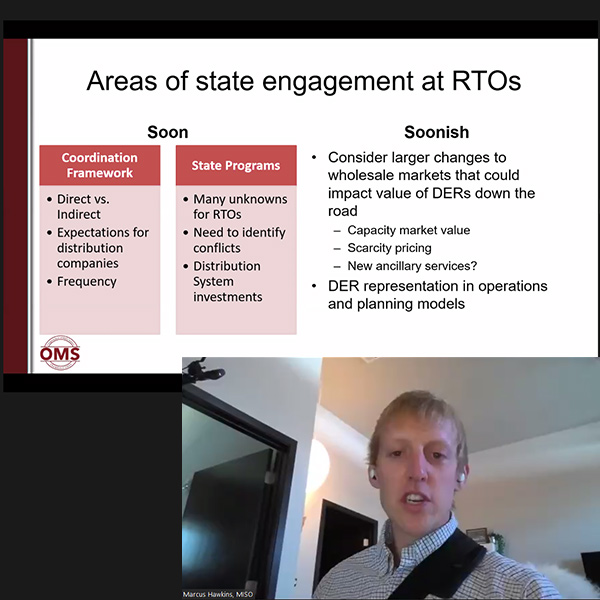
FERC’s directive to open wholesale markets to aggregations of DERs is forcing states to consider more holistic system planning.
President Biden’s early directives on environmental justice do not go far enough, members of the House Subcommittee on Environment and Climate Change heard.
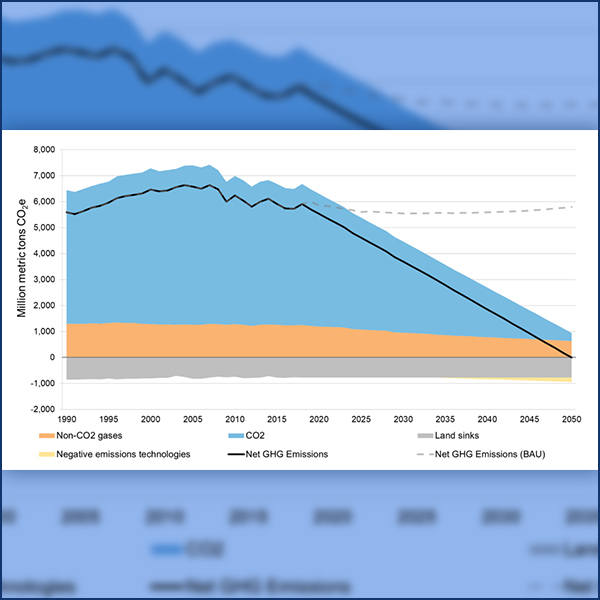
The focus on technology in the transition to a carbon-free economy ignores the social impacts of the changes, the National Academies said in a report.
Congress could push an infrastructure financing bill into the second quarter, imperiling the legislative goals of clean energy industries, the ACORE warned.
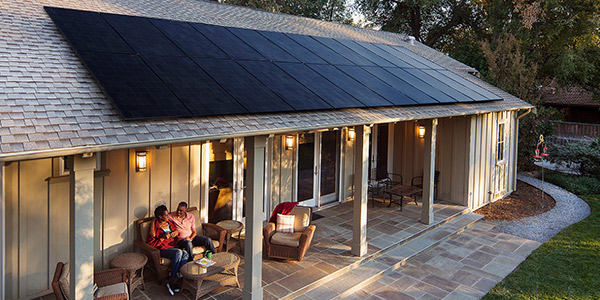
Four trends have emerged from the evolution of net energy metering rate design, an industry expert told state utility commissioners and their staff.
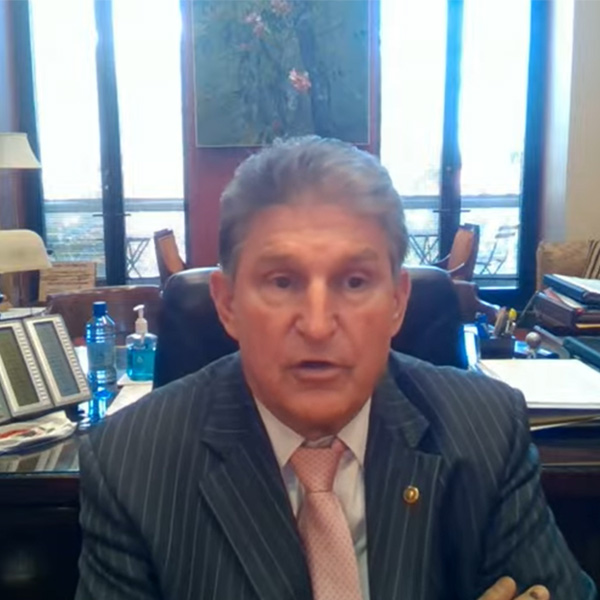
Sen. Joe Manchin expressed confidence the U.S. can reach net-zero carbon emissions by 2050 but insisted commercial-scale CCS must be part of the solution.
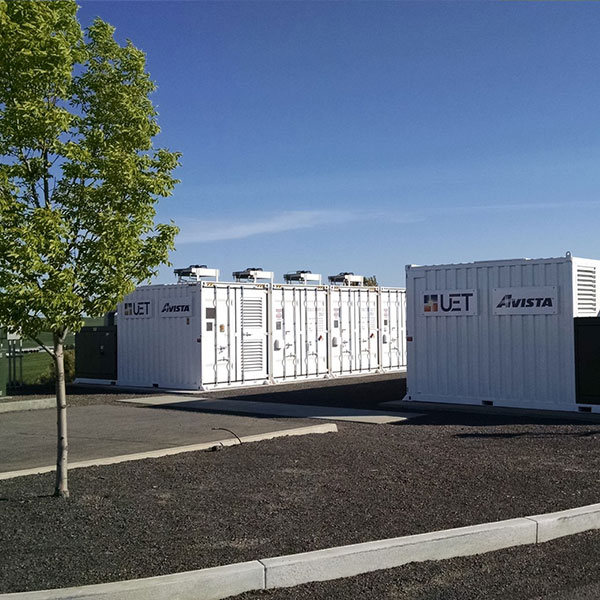
FERC Chair Richard Glick told the Energy Storage Association one of his priorities is to further break down barriers for storage in the capacity markets.
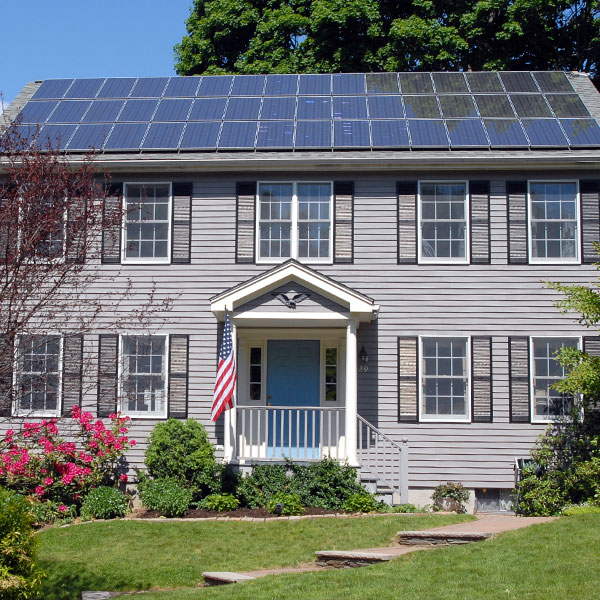
The Biden administration aims to support the work states are doing to eliminate harmful emissions, White House National Climate Adviser Gina McCarthy said.
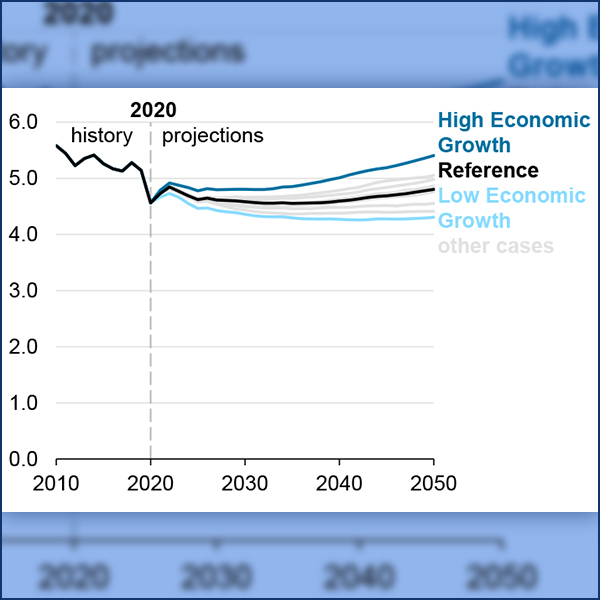
Electricity demand will return to pre-COVID levels by 2025 while total energy consumption will likely lag until at least 2029, the EIA said.
Want more? Advanced Search