
NYISO
NY PSCNYISO Business Issues CommitteeNYISO Management CommitteeNYISO Operating CommitteeOther NYISO Committees
The New York Independent System Operator Inc., a not-for-profit regional transmission owner, is responsible for operating New York's bulk electrical grid, administering the state's wholesale electricity markets, maintaining grid stability, and ensuring the reliability and planning of the state's bulk energy system.

NYISO
NYISO's Business Issues Committee and Operating Committee both endorsed tariff changes ahead of the completion of the Champlain Hudson Power Express.
Charles River Associates
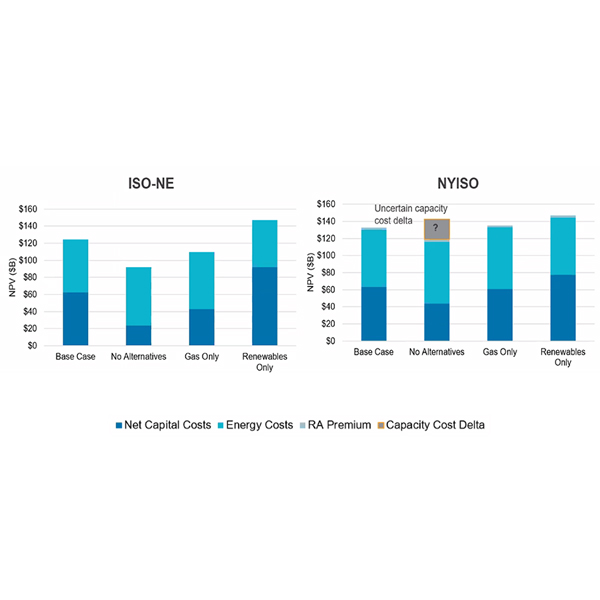
Northeastern power systems cannot afford to drop offshore wind if they are to maintain reliability, reduce emissions and lower electricity prices, according to a new analysis from Charles River Associates.
© RTO Insider
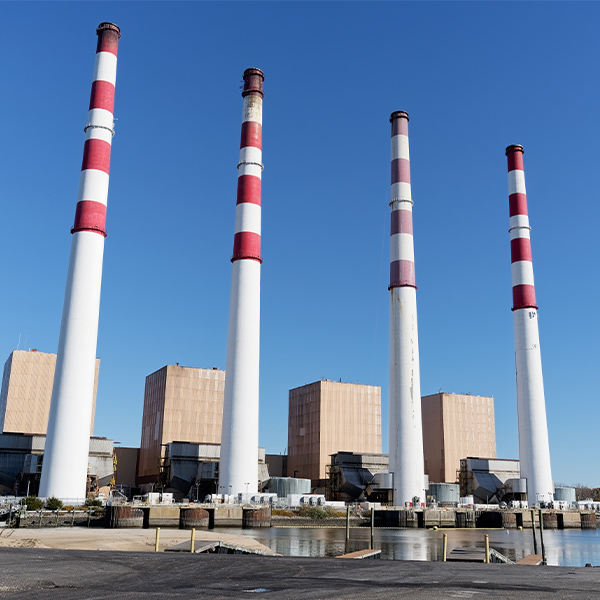
The NYISO Market Monitoring Unit told the Installed Capacity Working Group that more data is necessary to verify the need for out-of-market actions on the part of transmission owners for reliability.
Constellation Energy
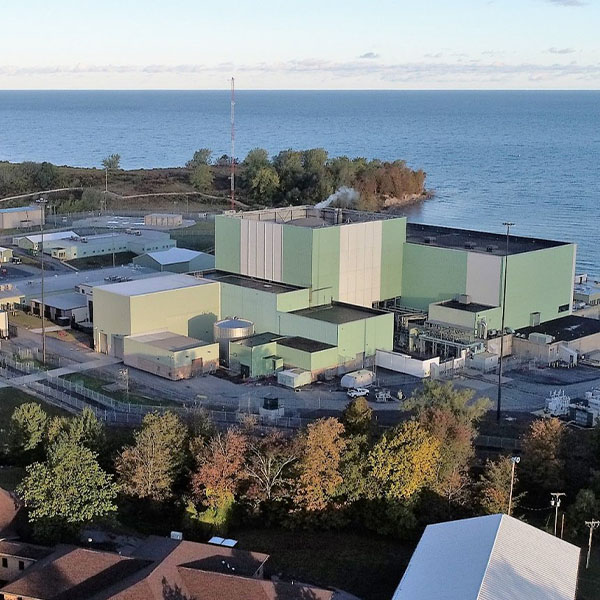
The New York Power Authority announced the appointments of Todd Josifovski and Christopher Hanson to its advanced nuclear energy initiative.
© RTO Insider
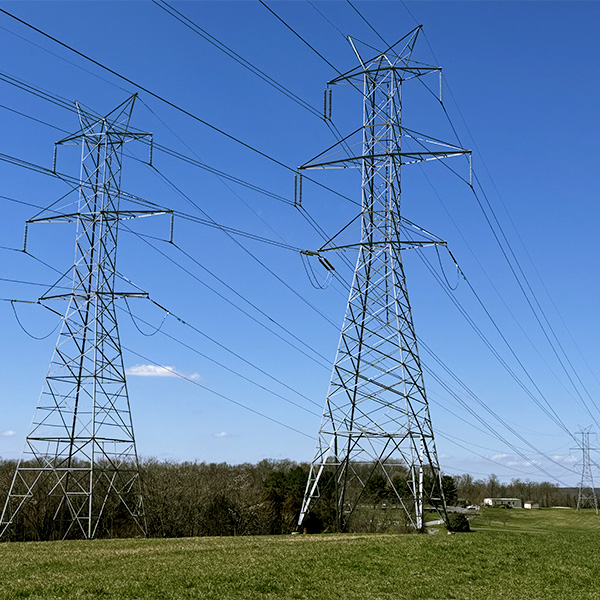
Discussion about potential changes to the NYISO demand curve reset process dominated a recent Installed Capacity Working Group meeting and will likely take up more oxygen in stakeholder meetings throughout the coming year.

Shutterstock
Aaron Markham, NYISO vice president of operations, presented the 2025-2026 Winter Capacity Assessment and Winter Preparedness forecasts to the Operating Committee.
© RTO Insider LLC
NYISO presented the results of Phase 1 of the 2024 Cluster Study process at a special Operating Committee meeting.
© RTO Insider
The NYISO Management Committee voted to approve the ISO’s 2025-2034 Comprehensive Reliability Plan, though stakeholders and the Market Monitoring Unit again voiced concerns with how it is structuring its planning.
DOE
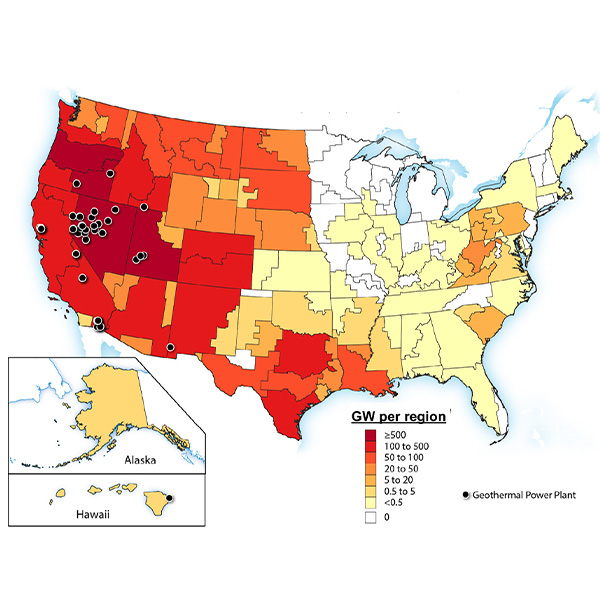
All seven clean energy technologies evaluated for a new report might someday help New York reach its decarbonization goals, but each would require innovation and support to reach that potential.
NYISO
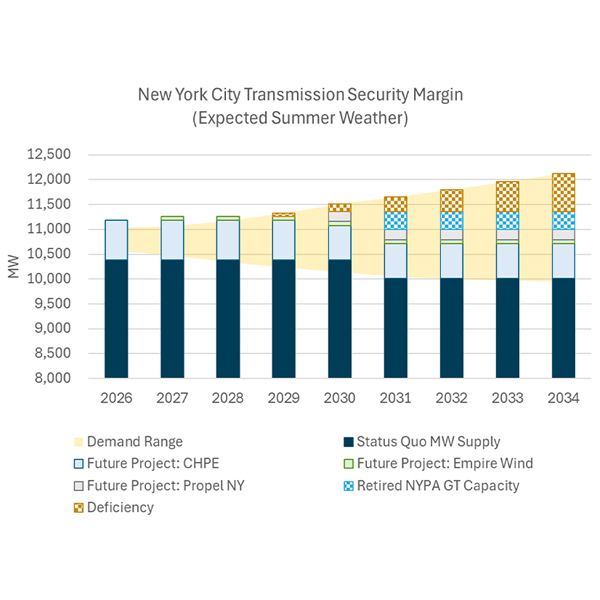
NYISO stakeholders debated the validity of the ISO's recent finding of a reliability need in New York City by summer 2026.
Want more? Advanced Search
