
NYISO
NY PSCNYISO Business Issues CommitteeNYISO Management CommitteeNYISO Operating CommitteeOther NYISO Committees
The New York Independent System Operator Inc., a not-for-profit regional transmission owner, is responsible for operating New York's bulk electrical grid, administering the state's wholesale electricity markets, maintaining grid stability, and ensuring the reliability and planning of the state's bulk energy system.
Constellation Energy
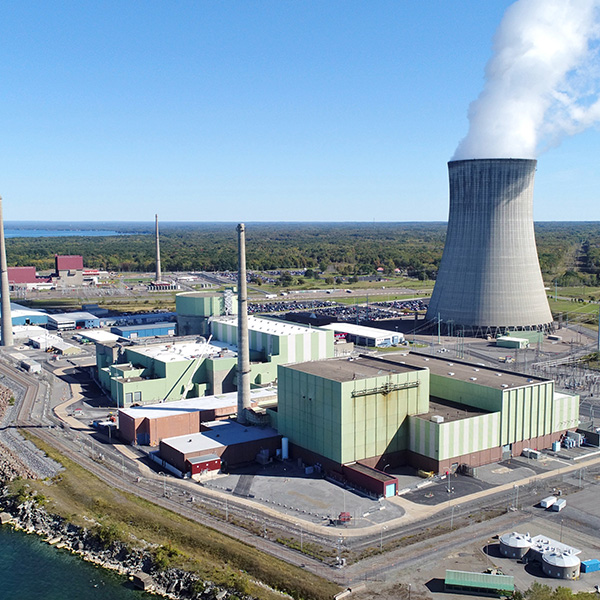
The Department of Public Service proposes the state extend its subsidy program for its commercial nuclear facilities from 2029 to 2049 to help ensure the operators of America’s two oldest reactors seeks to relicense them.
NYISO
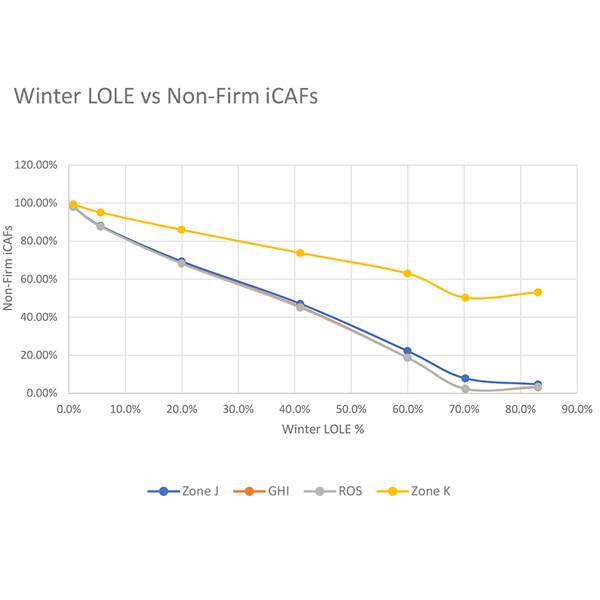
NYISO provided a glimpse into the possible capacity accreditation factors for gas generator units that have not guaranteed a supply of fuel for the winter capability period.
New York Governor's Office
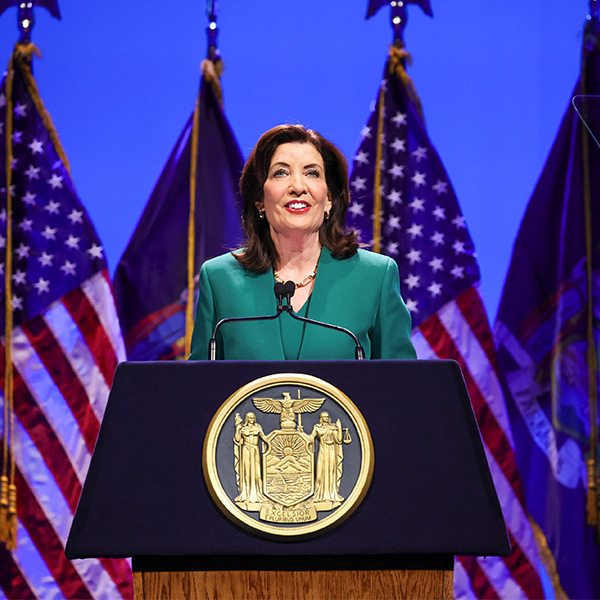
New York Gov. Kathy Hochul announced the first of three solicitations for bulk energy storage as part of the state’s goal of deploying 6 GW by 2030.
Shutterstock
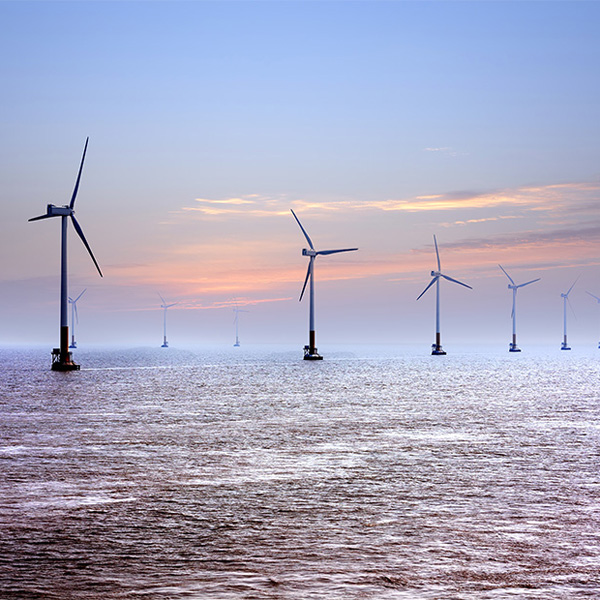
In the wake of the New York Public Service Commission’s decision to cease planning its offshore wind underwater transmission network, NYISO has followed suit, tossing two years of planning studies.
Shutterstock
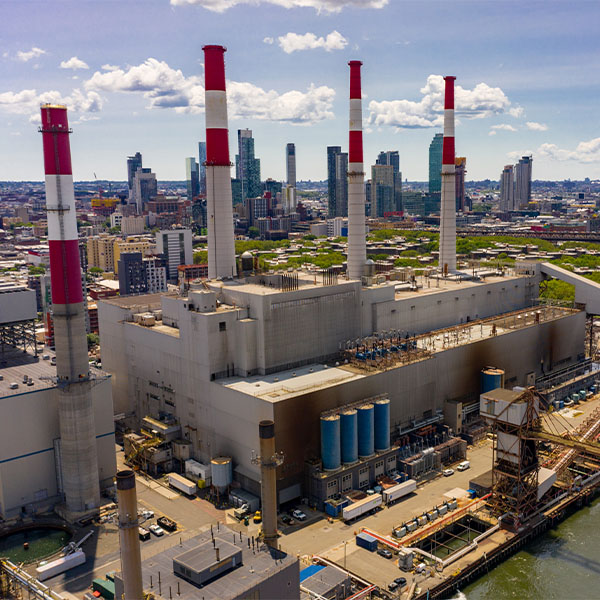
As it updates its energy to reflect new challenges to decarbonization, New York is contemplating what until recently seemed improbable: new fossil-fired generation.

NYSERDA
The PSC shut down the process to build an underwater transmission network to bring electricity to shore from the hundreds of wind turbines the state hopes to see spinning off its coastline.

Shutterstock
The heat wave at the end of June caused the average locational-based marginal price for the month to increase dramatically, NYISO said.

NYISO
Short- and long-term load forecasting was discussed in a "strategic discussion" during board meetings.
Jim Henderson, CC BY-SA-4.0, via Wikimedia Commons
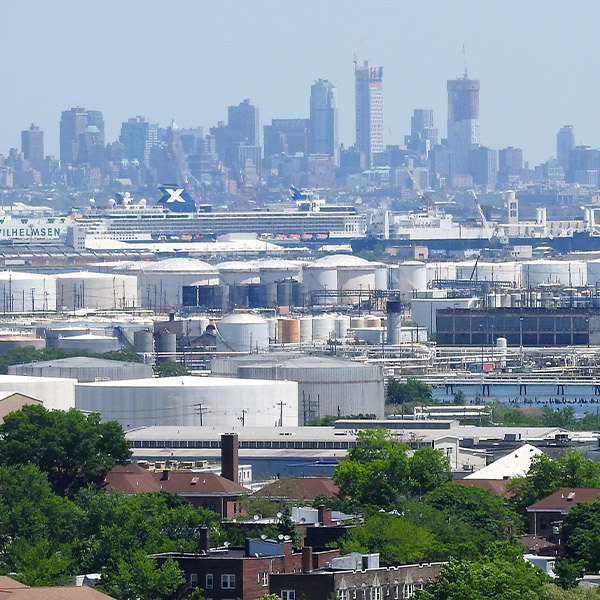
FERC approved NYISO’s tariff revisions that change the mechanism by which generators opt in to the “firm fuel” capacity accreditation resource class, enable modeling improvements related to natural gas constraints and update the bidding requirements for capacity suppliers.
Ben Schumin, CC BY-SA-2.0, via Wikimedia
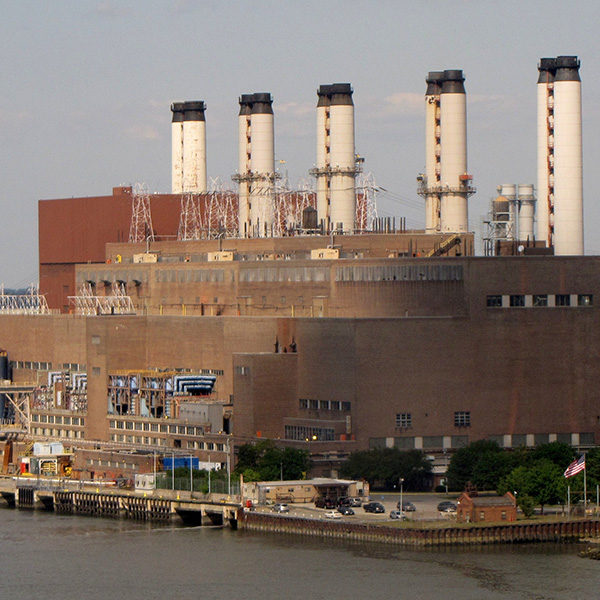
Earthjustice claimed that NYISO’s latest annual “Power Trends” report was full of misleading statements that favor new natural gas generation in a letter to New York state officials.
Want more? Advanced Search
