
Other NYISO Committees
NYISO
Stakeholders requested the NYISO Market Monitoring Unit provide an explanation of the difficulties in obtaining data from the ISO and market participants on supplemental commitments after it presented its State of the Market report for the first quarter.

Plaza Construction
NYISO told stakeholders it was no longer considering seasonal capacity accreditation factors because it found they would disincentivize participation in the capacity market.
NYISO
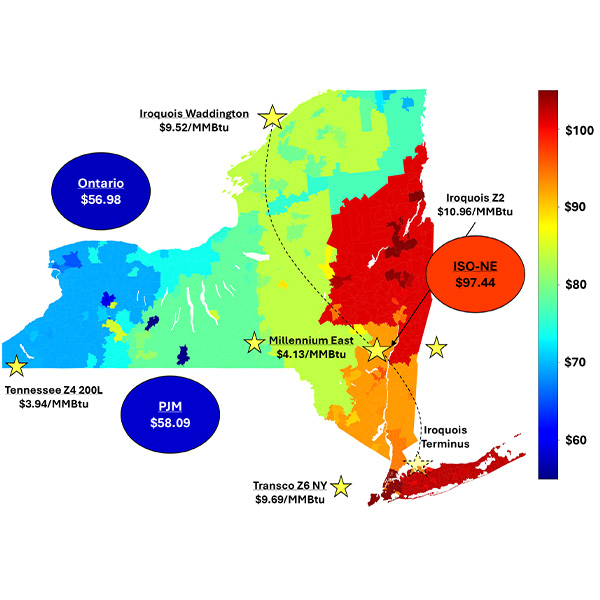
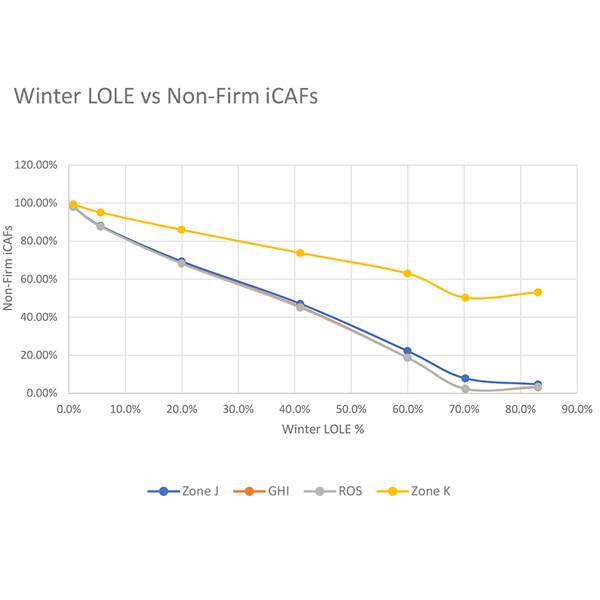
NYISO provided a glimpse into the possible capacity accreditation factors for gas generator units that have not guaranteed a supply of fuel for the winter capability period.

Shutterstock
In the wake of the New York Public Service Commission’s decision to cease planning its offshore wind underwater transmission network, NYISO has followed suit, tossing two years of planning studies.

Hydro-Québec
NYISO is proposing changes to certain capacity market parameters to accommodate the Champlain Hudson Power Express transmission project, as well as facilitate the new entry of resources.

Shutterstock
The most prolific worry about large load facilities like data centers is how to power them, but the New York Power Authority raised a new concern at the NYISO Budget & Priorities Working Group’s meeting.

© RTO Insider
Calpine came to the NYISO Installed Capacity Working Group with its proposal to create on- and off-peak transmission congestion contract auctions.

Ben Schumin, CC BY-SA-2.0, via Wikimedia
Central Hudson, Con Edison, National Grid and the Natural Resources Defense Council have co-submitted a proposal to the NYISO project prioritization process asking the ISO consider developing a capacity market based around retaining existing resources.

© RTO Insider
The NYISO Market Monitoring Unit is proposing to revise the ISO’s net congestion rent assignment process by allocating residuals to transmission owners on an individual facility basis.

Potomac Economics
As NYISO conducts its Capacity Market Structure Review, its Market Monitoring Unit and FTI Consulting say it should reject the idea of bifurcated pricing.
Want more? Advanced Search
