Environmental Regulations

Jason Dixon Photography
Congress needs to disallow states from vetoing Clean Water Act permits for interstate natural gas pipelines, FERC Chair Laura Swett said at an energy conference.
Shutterstock
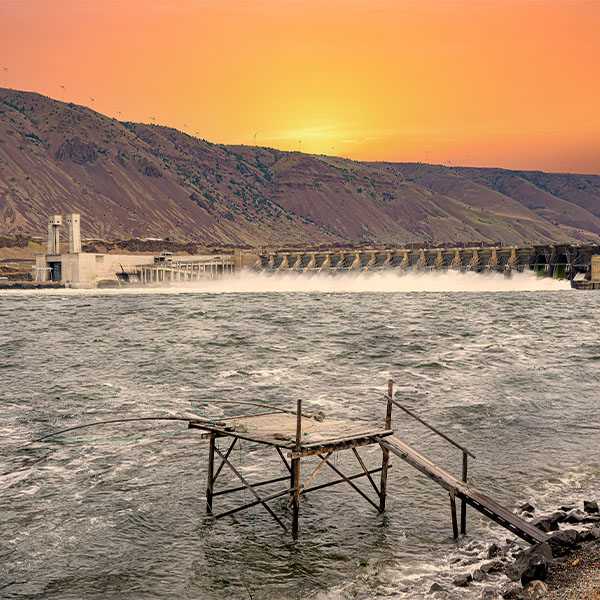
A federal judge in Oregon ordered increased spill levels at eight dams on the Columbia and Snake rivers in order to protect endangered salmon species, rejecting claims that doing so would impede power generation.
Washington State Department of Transportation
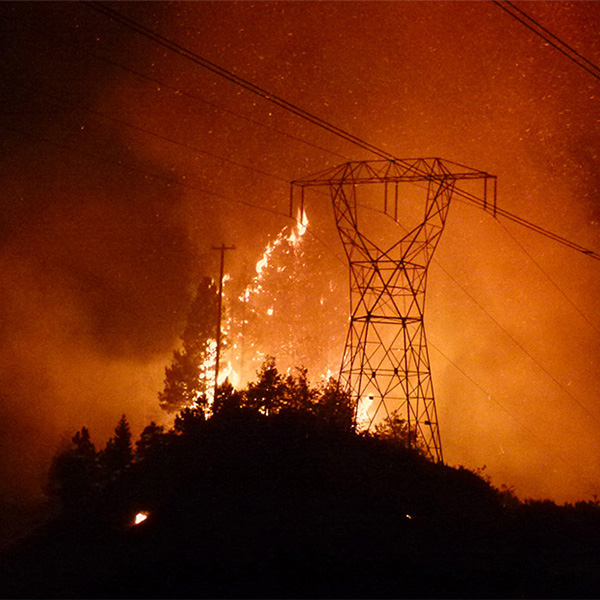
Permitting delays can exacerbate risks for electric transmission lines to spark wildfires, experts told the U.S. House Natural Resources Subcommittee on Water, Wildlife and Fisheries.
Shutterstock
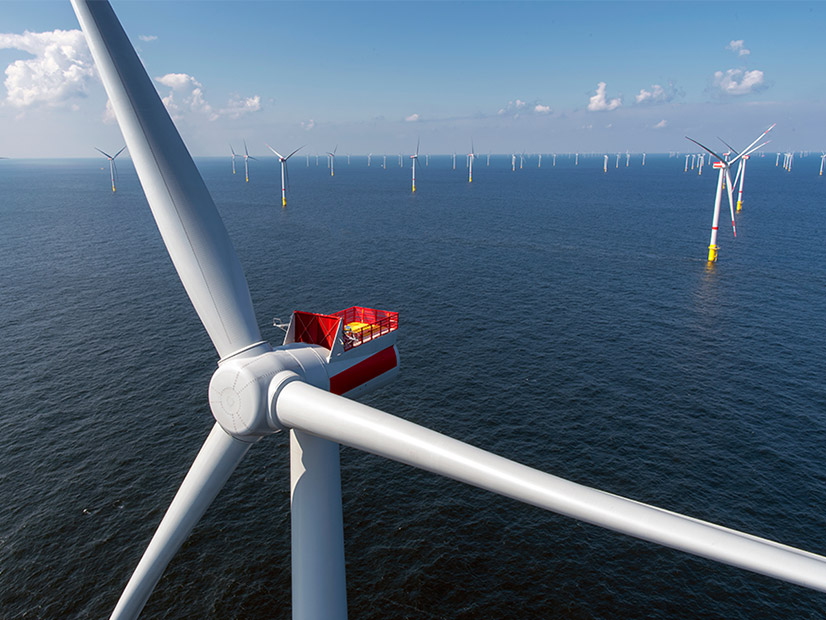
Oregon released a draft road map to provide state lawmakers with recommendations on how to proceed with offshore wind endeavors, while acknowledging the uncertainty the industry faces.
Tri-State Generation and Transmission Association
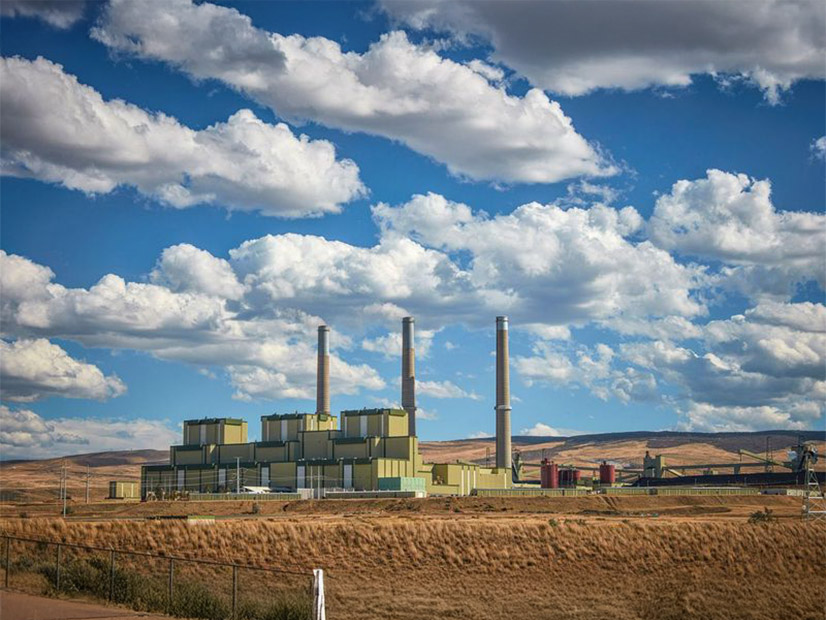
A bill in the Colorado legislature seeks to reduce the environmental impact of federal orders delaying the retirement of coal-fired power plants.
Oklahoma Municipal Power Authority
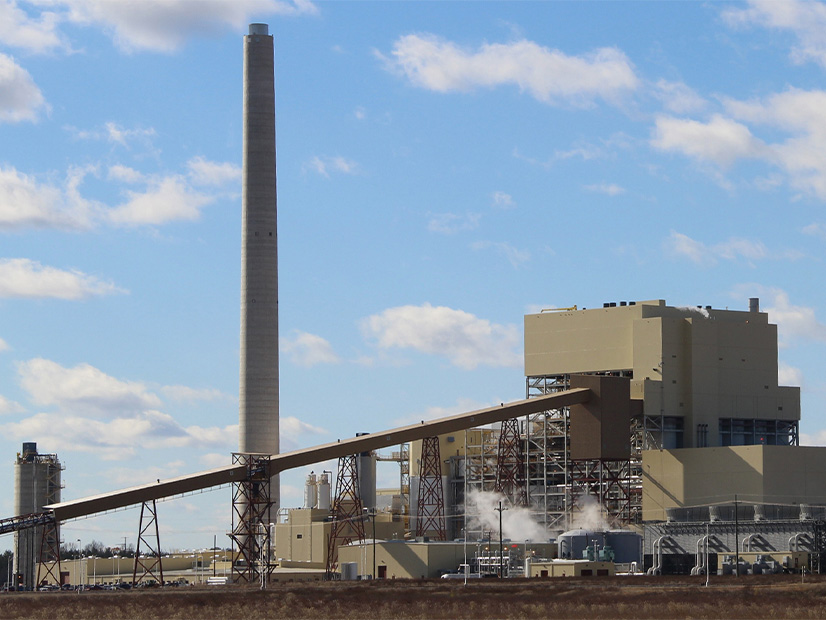
EPA revoked its 2024 updates to the MATS rules, which included regulation of non-mercury emissions and monitoring equipment requirements for all covered power plants.
© RTO Insider LLC
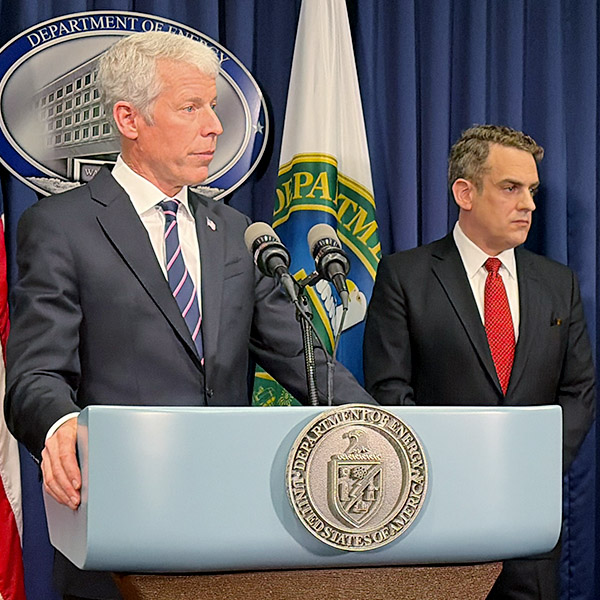
DOE's senior leadership highlighted how the grid relies on fossil fuels to make it through winter peaks.
Shutterstock
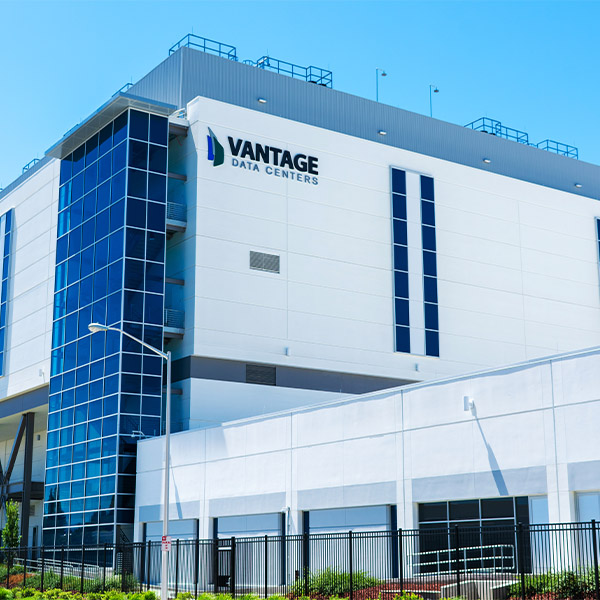
Democrats in the New York Legislature have introduced legislation to create a three-year moratorium on the siting and permitting of new data centers statewide.
Yes Energy
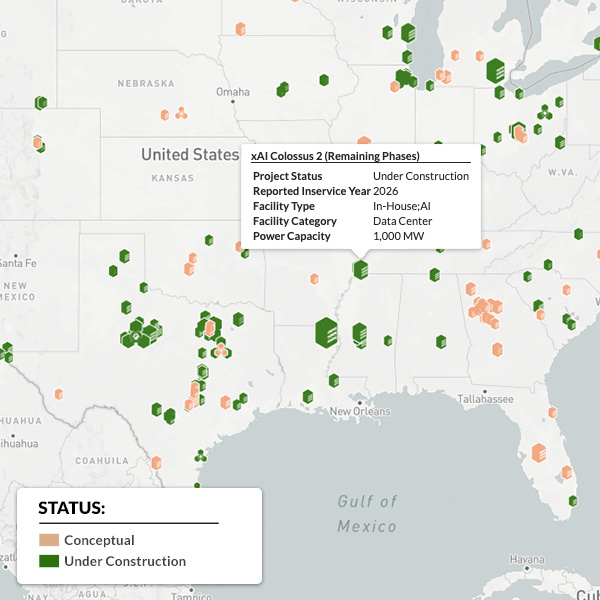
Cleanview released a report putting numbers to a trend where many hyperscale data center developers are building dirtier, more quickly available generation to cash in on the AI boom.
Brattle
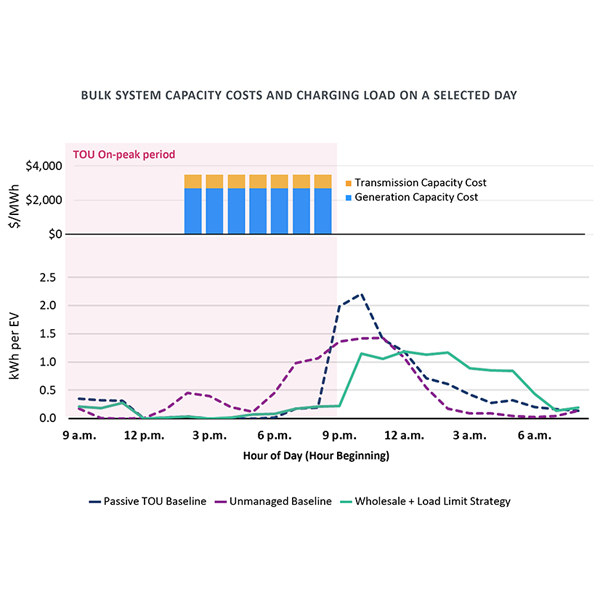
EnergyHub and Brattle Group released a study based on a real-world test of different strategies for managing charges on distribution circuits, which found significant benefits from managed charging once EVs become more common in a neighborhood.
Want more? Advanced Search