Environmental Regulations
© RTO Insider
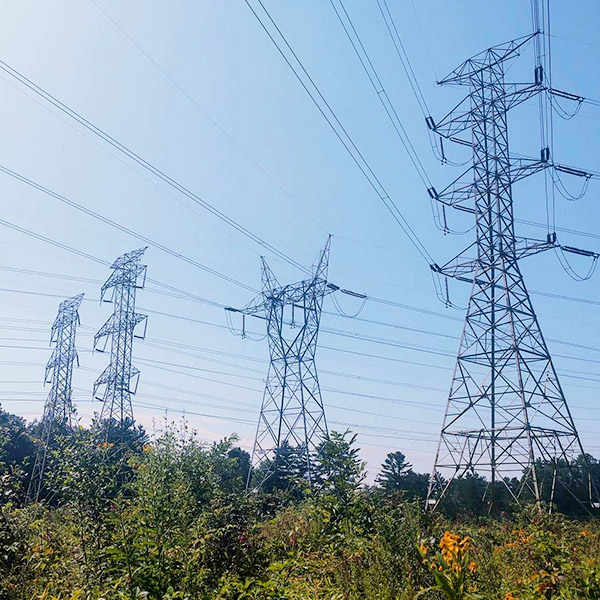
The Northwest Power and Conservation Council provided additional details on how its ninth power plan will consider new federal policies that could impact the buildout of new resources and transmission.
Shutterstock
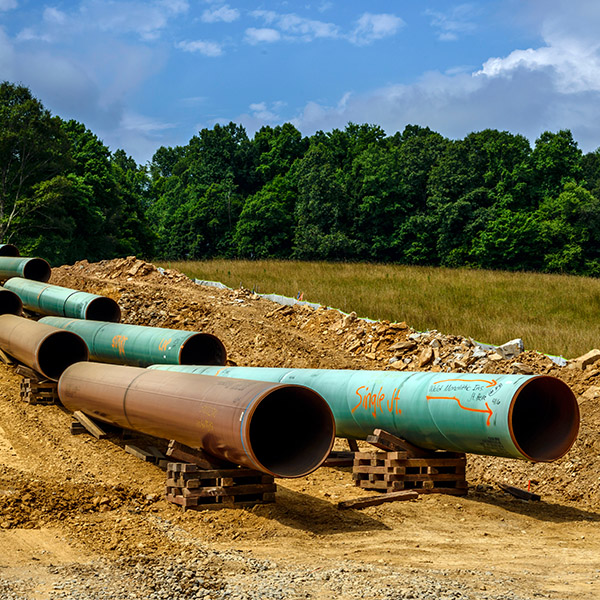
Permitting reform legislation is starting to move through Congress, with a key House committee holding a hearing and supporters lobbying legislators, though actually passing a bill is tough in any political climate.
Fluence
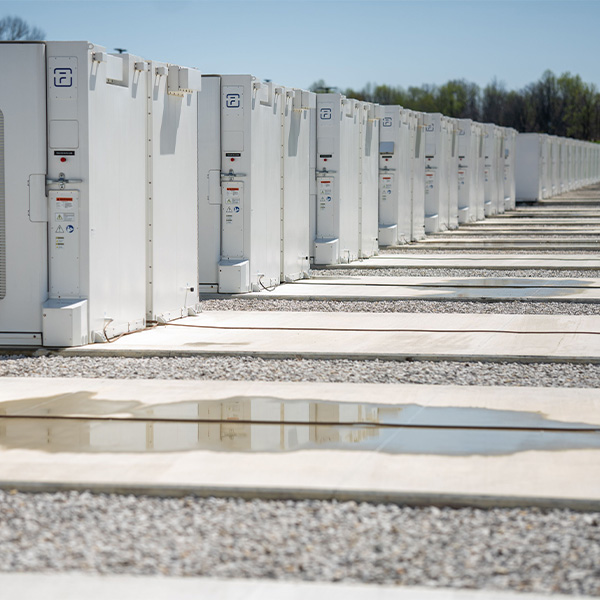
Investment bank Jefferies’ latest analysis finds the levelized cost of paired solar-plus-battery storage is cheaper than that of gas, saying slow turbine deliveries and inflationary equipment pricing makes the renewable alternative an “attractive” opportunity as data centers drive demand.
Green America
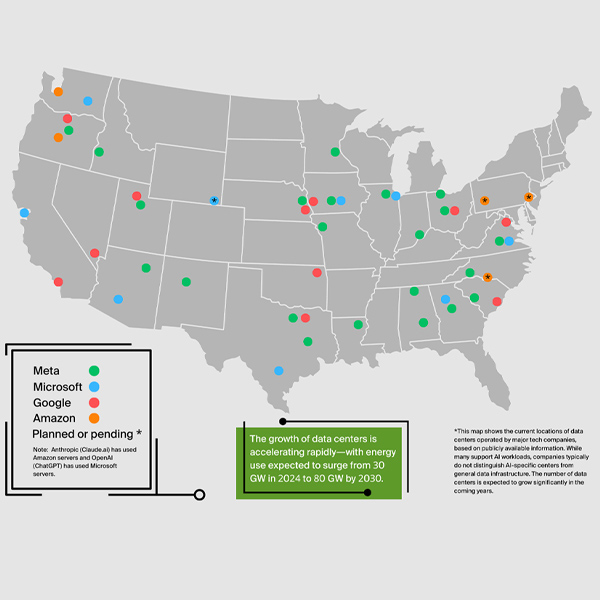
Green America launched a campaign to hold big tech to its clean energy promises as the shift to building data centers has led to higher emissions from the sector in the 2020s.
Invenergy
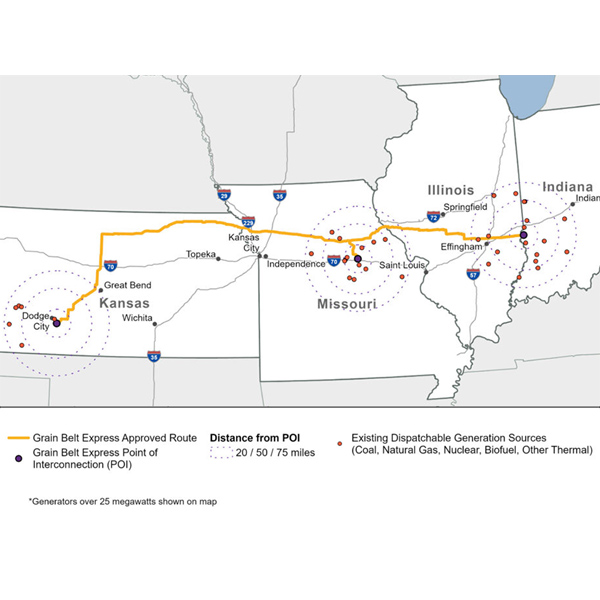
Drafted during a different presidential administration, the Grain Belt Express’ final environmental impact statement downplays the potential environmental benefits of the line.
Constellation
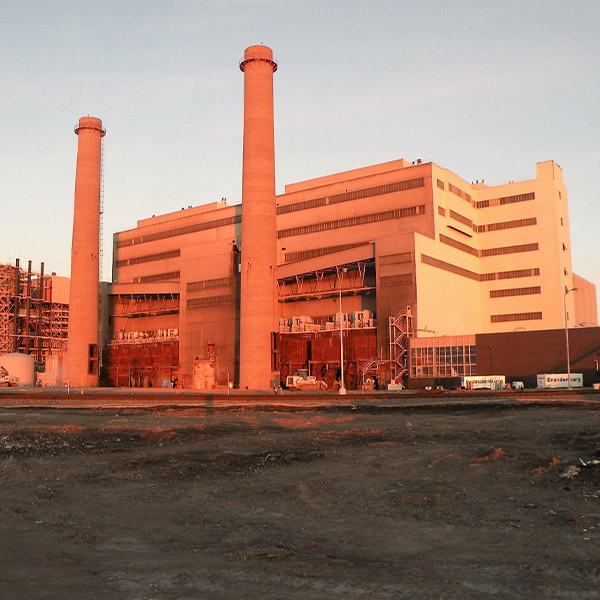
Three clean energy trade groups asked DOE to reconsider its recent report on resource adequacy, which they contend uses a deterministic approach to stake out a position for not retiring any more power plants in the face of rising electricity demand.

Dominion Energy
Dominion Energy reported demand growth from data centers in its territory and that its CVOW offshore wind project was more than halfway complete on its second quarter earnings call.

© RTO Insider
EPA Administrator Lee Zeldin proudly told NARUC attendees the agency’s proposed rescission of the 2009 endangerment finding would be the “largest deregulatory action in the history of the country.”
DTE
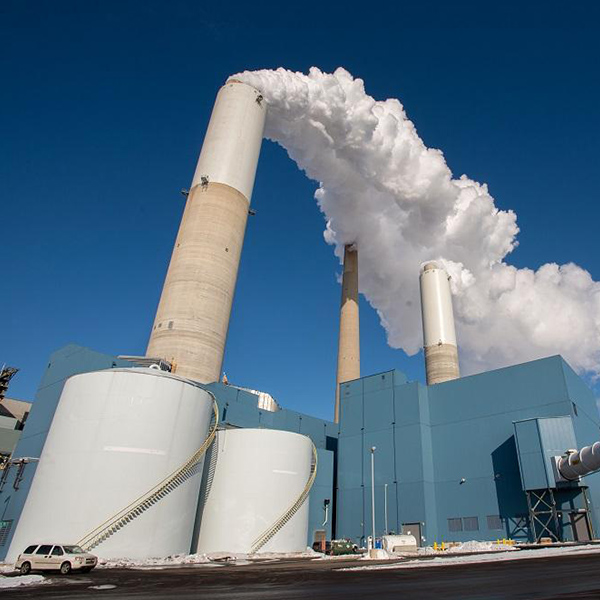
EPA is proposing to rescind its 2009 endangerment finding, which qualifies greenhouse gases as pollutants and has been used by Democratic presidential administrations to regulate emissions from power plants and other sources.
Consumers Energy
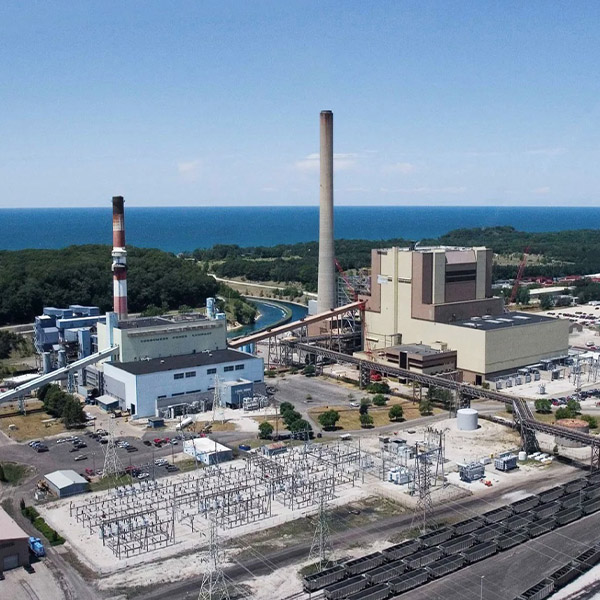
After DOE ignored their rehearing requests, opponents of its Federal Power Act order keeping the J.H. Campbell plant have appealed the issue to the courts.
Want more? Advanced Search