
Reliability
© RTO Insider LLC
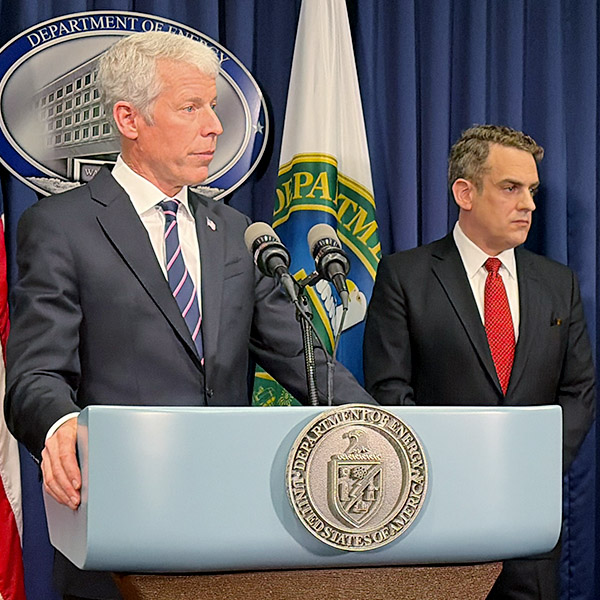
DOE's senior leadership highlighted how the grid relies on fossil fuels to make it through winter peaks.
Yes Energy
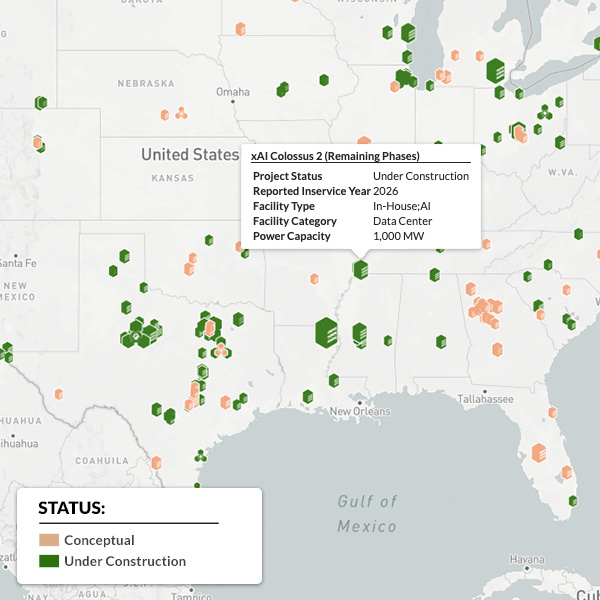
Cleanview released a report putting numbers to a trend where many hyperscale data center developers are building dirtier, more quickly available generation to cash in on the AI boom.
© RTO Insider
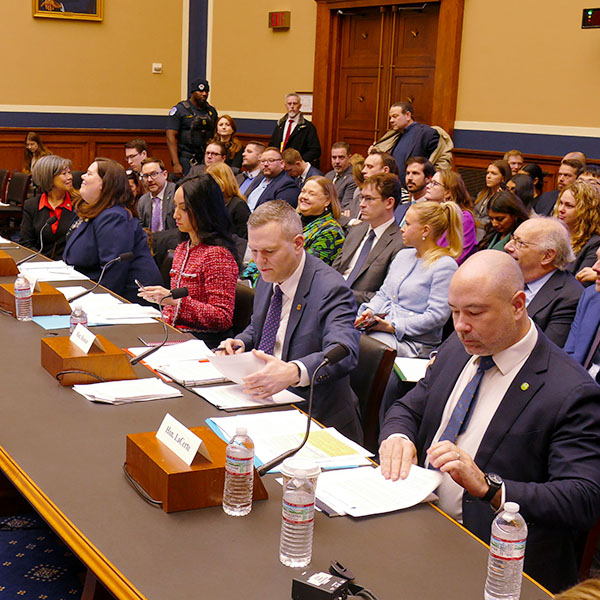
All five FERC commissioners faced questions from the House Energy and Commerce Subcommittee on Energy on how to balance reliability and affordability as demand grows.
ACEG
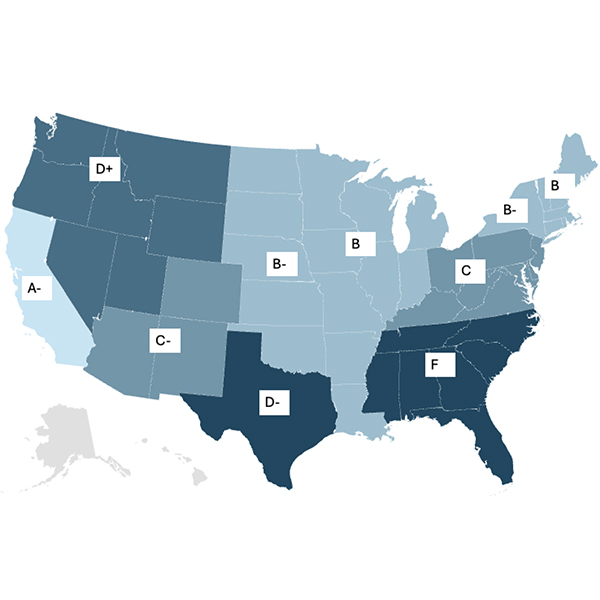
Americans for a Clean Energy Grid released an updated version of its report card, which generally shows improved scores as regions have implemented changes in the last couple of years.
Shutterstock
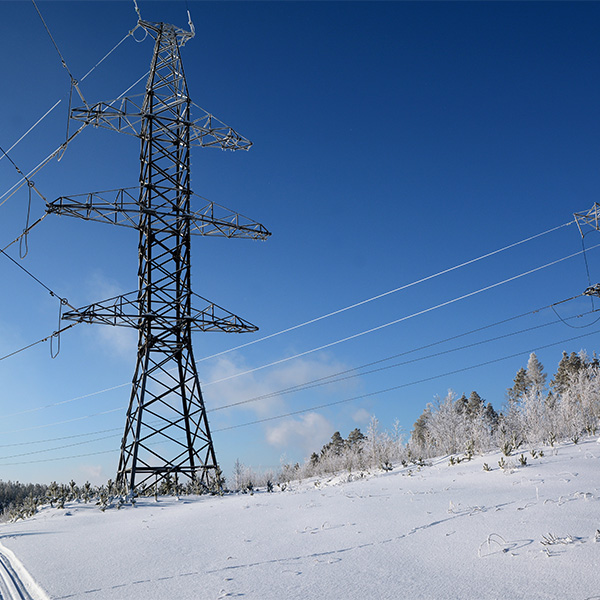
NYISO began what is expected to be a yearlong effort of revising its Reliability Planning Process at a Transmission Planning Advisory Subcommittee meeting.

Meta
MISO said it likely will create interconnection reliability requirements and explore new rules that could bring large customers online in stages, as capacity becomes available, to get a handle on large loads eyeing MISO locales.
AdminMonitor
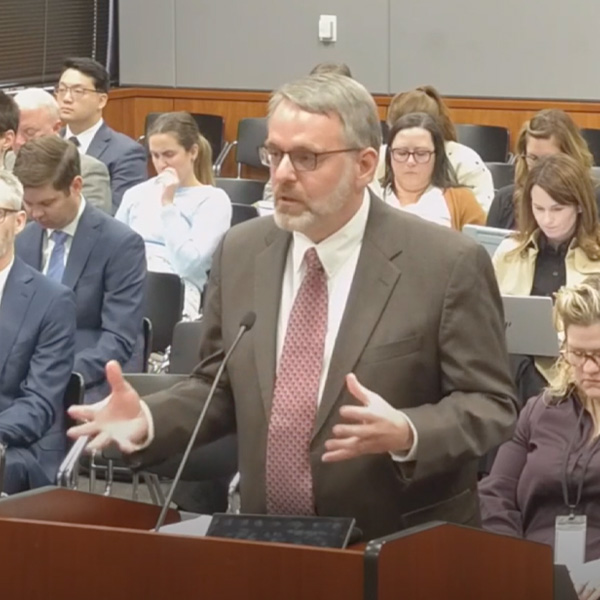
ERCOT says it leaned on Texas’ 15 mobile generating units and an RMR unit during the state’s first major cold-weather event since 2021’s disastrous Winter Storm Uri.
Xcel Energy
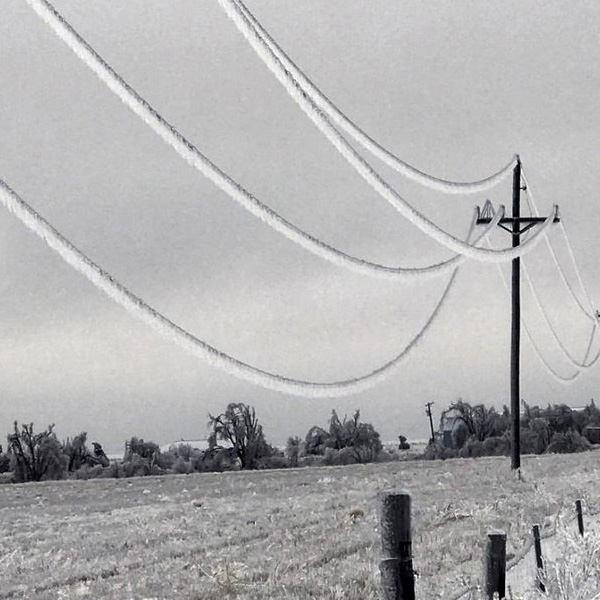
The North American grid made it through the winter storm of Jan. 24-26 — dubbed “Fern” by The Weather Channel — relatively unscathed, but the cold weather gripping much of the U.S. and Canada continues, and cold snaps in the future will still stress the interconnected power and natural gas systems.
Entergy Louisiana
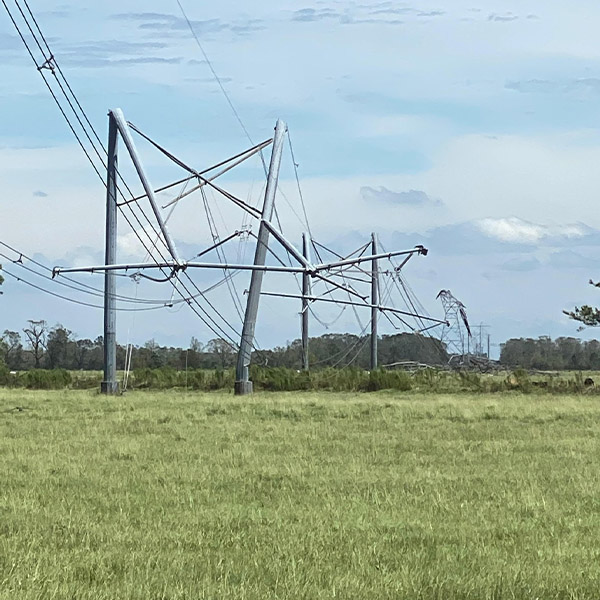
Some MISO stakeholders said an extreme events analysis from 2025’s transmission planning cycle potentially raises a red flag and deserves more attention.
Walters Group
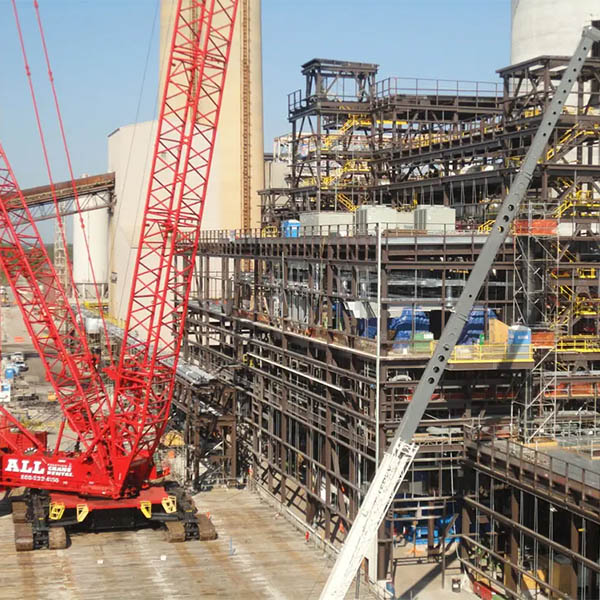
State regulators in MISO asked FERC to let power industry stakeholders determine how to allocate the costs for an Indiana coal plant forced to stay online by the Trump administration’s Department of Energy.
Want more? Advanced Search
