
New York
Sif Group
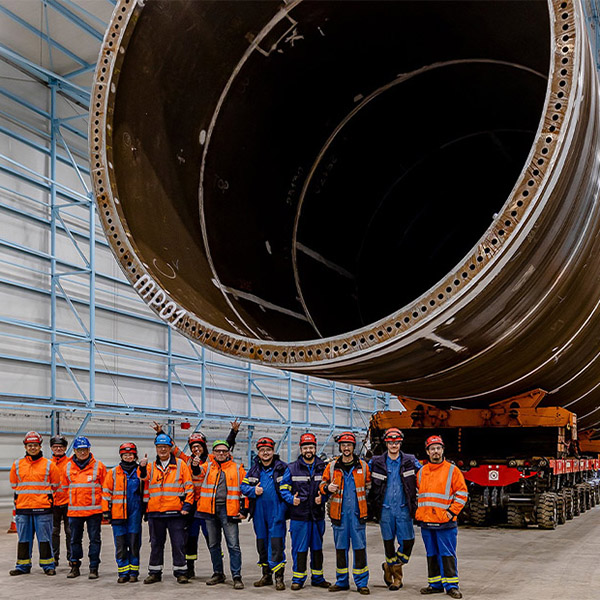
BOEM lifted a stop-work order on the Empire Wind 1 project in a deal that will have New York work on expanding pipelines into the Northeast, a goal the White House has publicly sought since shortly after President Trump took office.
Standard Solar
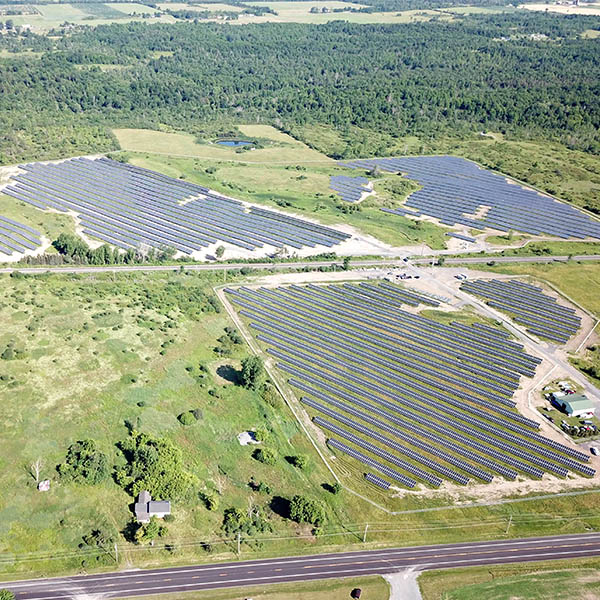
New York is tweaking its approach to clean energy development as it works to get its lagging decarbonization efforts back on track.
© RTO Insider
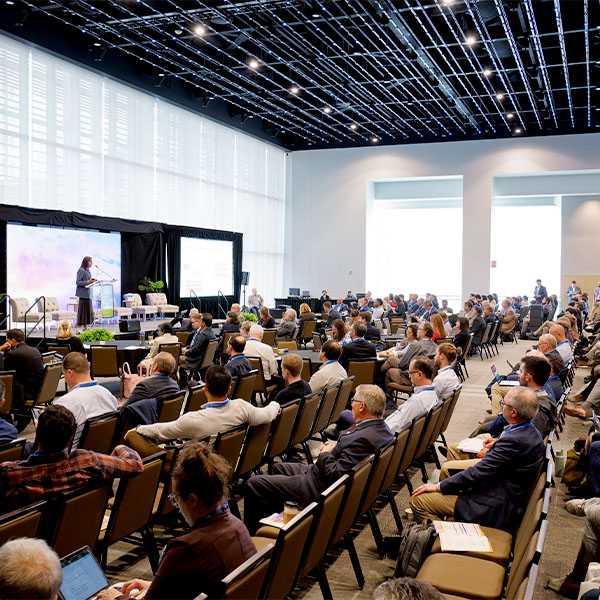
The annual New York energy storage conference and expo came with excellent timing this year, as progress at the state level was matched by looming obstacles at the federal level.
NYPA
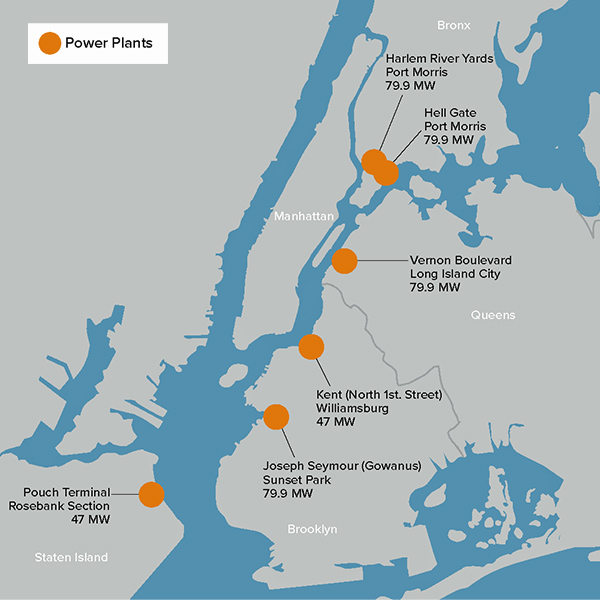
Federal policy changes and slow buildout of emissions-free generation may change the timetable for the retirement of New York Power Authority gas-fired peaker plants in New York City.
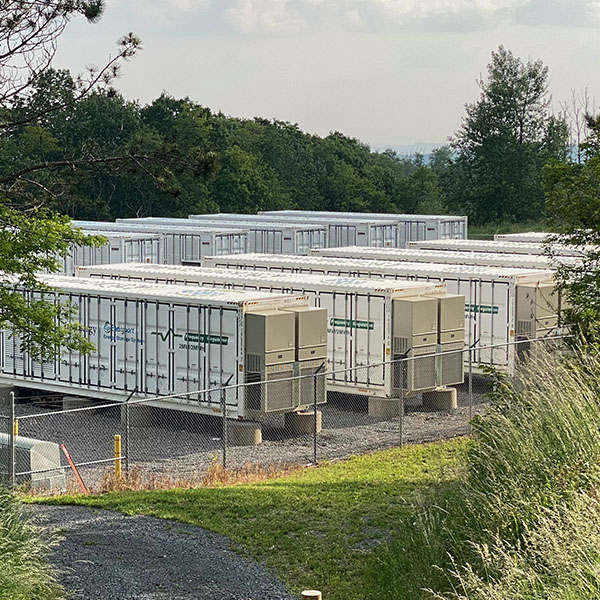
Z22, CC-BY-SA 4.0, via Wikimedia Commons
The NYISO Market Monitoring Unit told stakeholders it is independently analyzing the capacity market in parallel with the ISO’s ongoing Capacity Market Structure Review project.
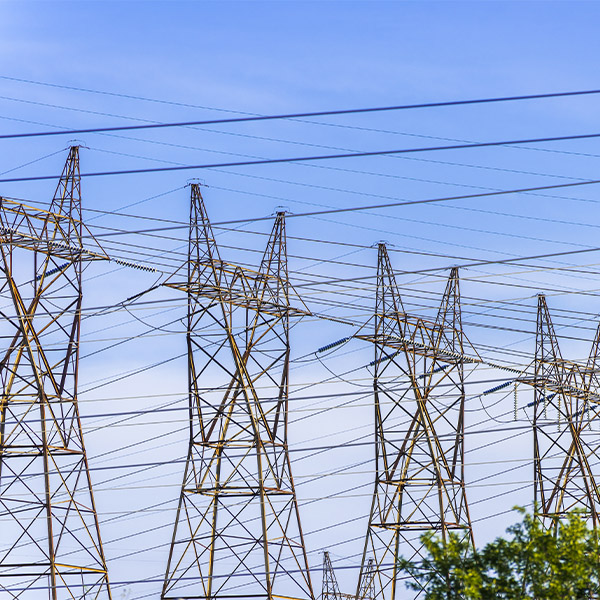
© RTO Insider
Officials from members of the Northeast States Collaborative on Interregional Transmission expounded the group’s strategic action plan.
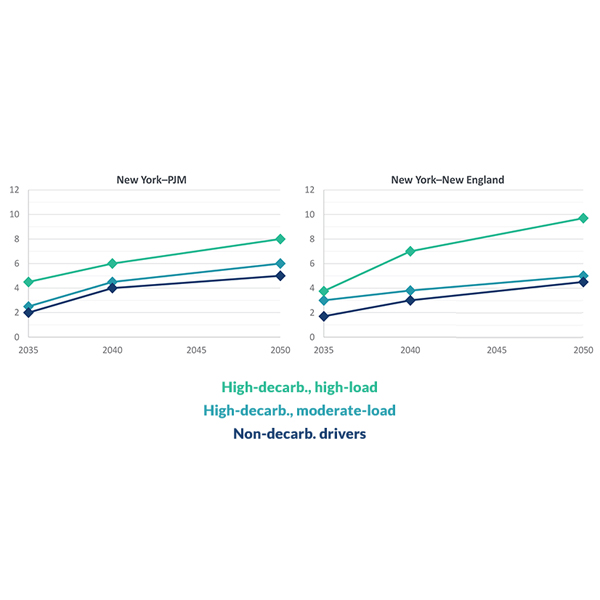
The Brattle Group
The Northeast States Collaborative on Interregional Transmission released a strategic action plan for creating an interstate planning process for transmission projects that span the seams of their grid operators.

Shutterstock
NYISO said it is no longer concerned about a violation of reliability criteria in New York City in 2033 and has canceled its search for a solution.

© RTO Insider
Recent developments made speakers at the annual New York Energy Summit optimistic that the state's permitting process will be getting faster.

© RTO Insider
State officials speaking at the New York Energy Summit acknowledged the uncertainty facing everyone in the room but said it has not changed the state's clean-energy vision.
Want more? Advanced Search
