
Coal
EIA
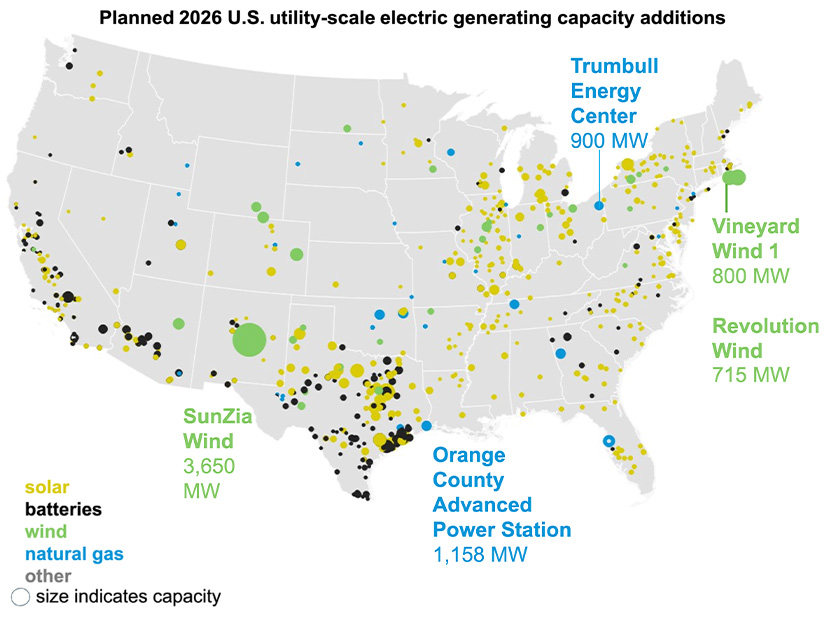
The EIA released a report that said a record 86 GW of utility-scale capacity is projected to be added to the grid in 2026, which if true, would far outpace the 53 GW of capacity added in 2025.
Oklahoma Municipal Power Authority
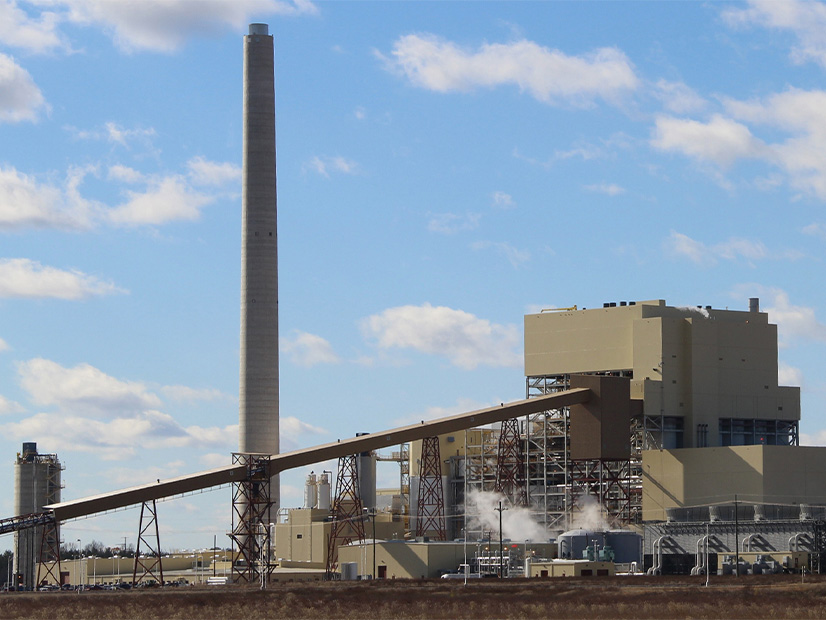
EPA revoked its 2024 updates to the MATS rules, which included regulation of non-mercury emissions and monitoring equipment requirements for all covered power plants.
Consumers Energy
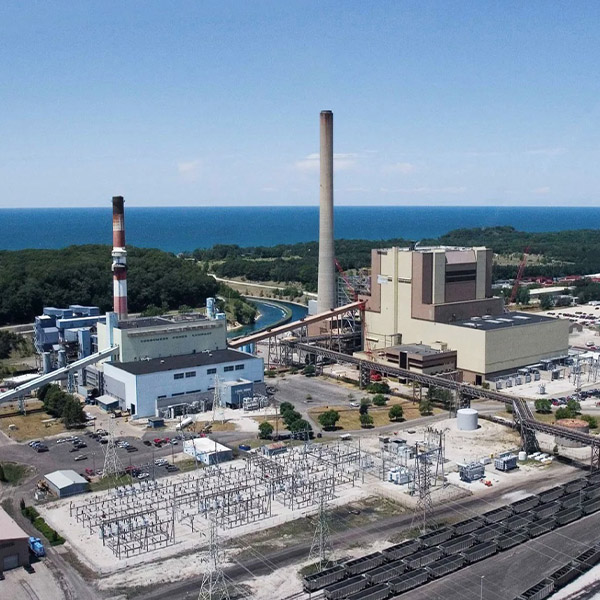
The Department of Energy issued a fourth emergency order, keeping the J.H. Campbell coal plant in Michigan online through mid-May and likely beyond.
Windy.com
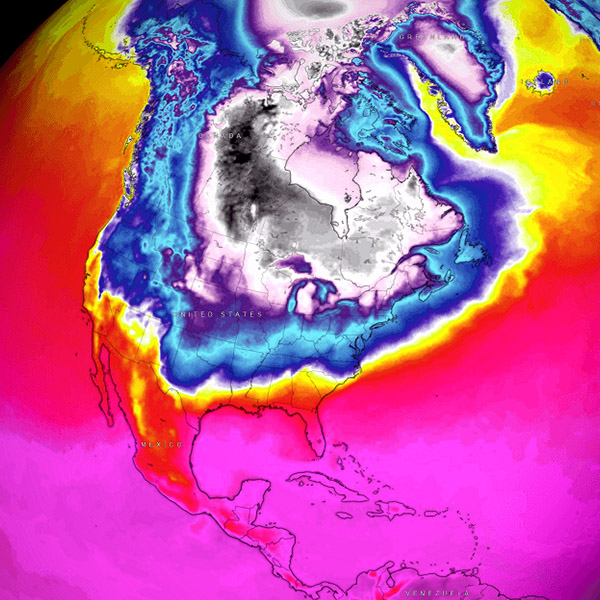
With Winter Storm Fern, we learned, once again, that our nation’s power grids rely on a significant fossil mix when the weather turns nasty, writes columnist Peter Kelly-Detwiler.

TVA
The Tennessee Valley Authority revoked its previous decision to wind down operations at two of its coal plants, citing upward demand and the Trump administration’s coal-friendly posture.
NIPSCO
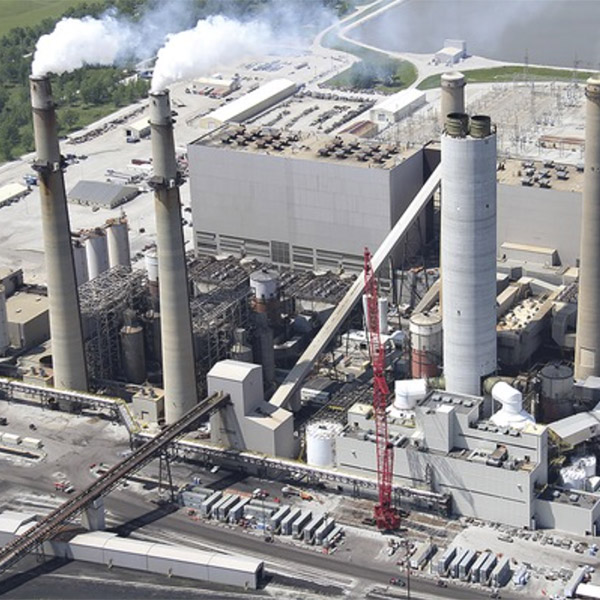
NIPSCO insisted to FERC that a MISO Midwest-wide cost allocation for the continued operation of an Indiana coal plant is the quickest solution.

© RTO Insider LLC
The challenges and opportunities of meeting demand from new large loads like data centers took center stage at the National Association of State Energy Officials’ recent Energy Policy Conference.

© RTO Insider LLC
DOE's senior leadership highlighted how the grid relies on fossil fuels to make it through winter peaks.
Jimmy, CC BY-SA 2.0, via Wikimedia Commons
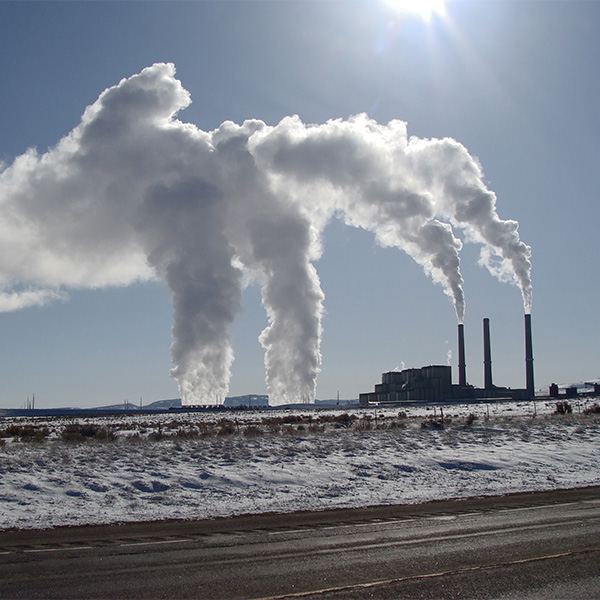
A federal order to keep Unit 1 of the coal-fired Craig Generating Station operational past its planned retirement date seems disconnected from grid realities, a Colorado state energy official said.

Walters Group
State regulators in MISO asked FERC to let power industry stakeholders determine how to allocate the costs for an Indiana coal plant forced to stay online by the Trump administration’s Department of Energy.
Want more? Advanced Search
