
Hydropower
California DWR
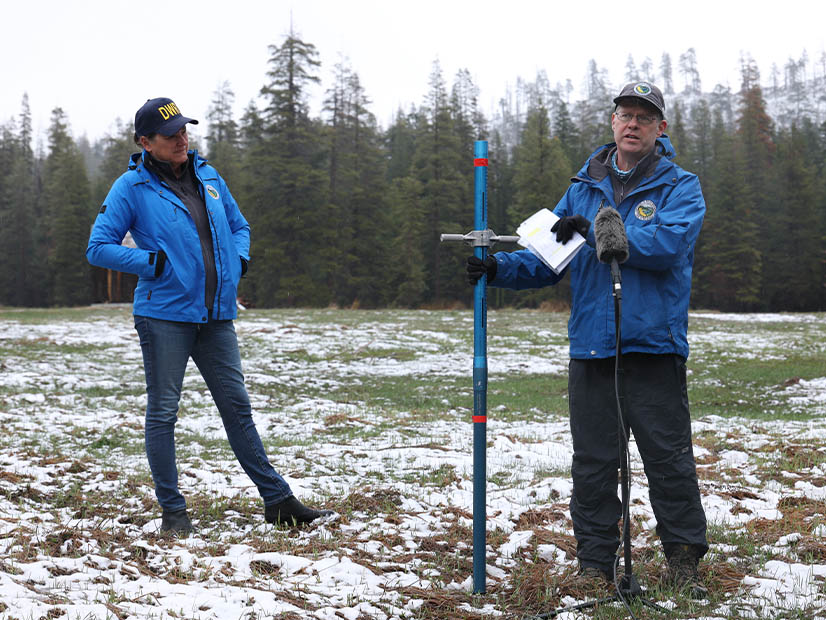
Despite a few large storms in January and February, California snowpack levels are near record lows due to a heat dome that settled over the state in March.
U.S. Army Corps of Engineers
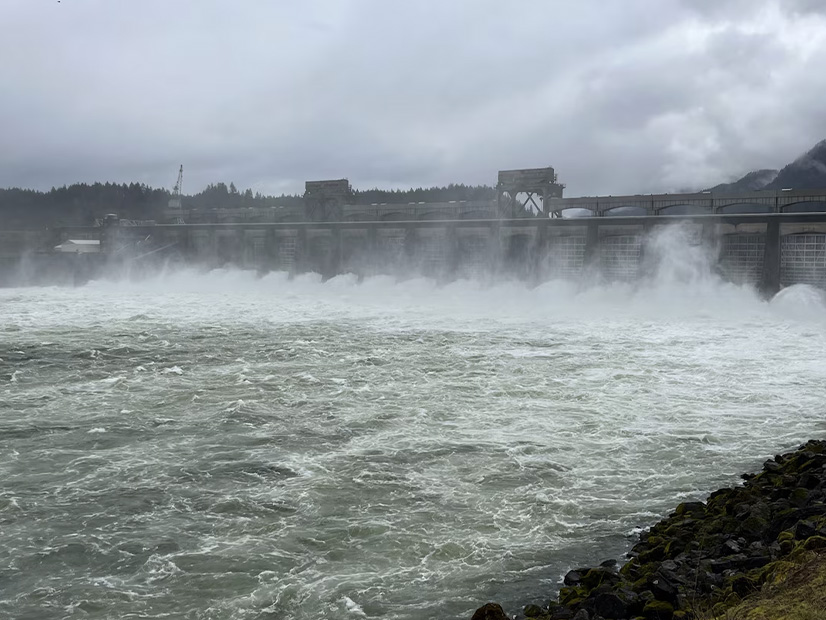
The Bonneville Power Administration could end up revising its rates to tackle the financial fallout of a federal judge in Oregon ordering increased spill levels at eight dams on the Columbia and Snake rivers.
IESO
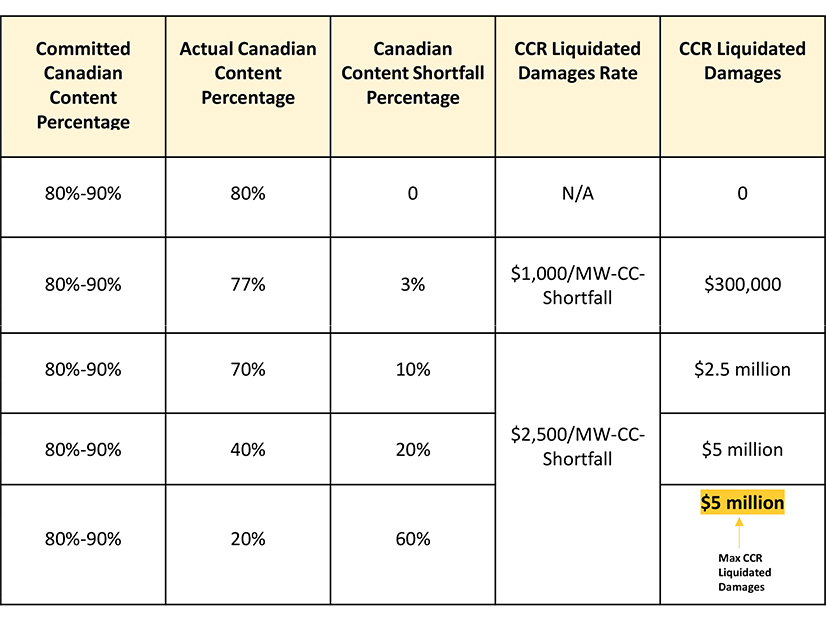
IESO’s Long Lead-Time procurement may be delayed beyond its planned April launch because the ISO still is awaiting a directive from the Ministry of Energy and Mines.
IESO
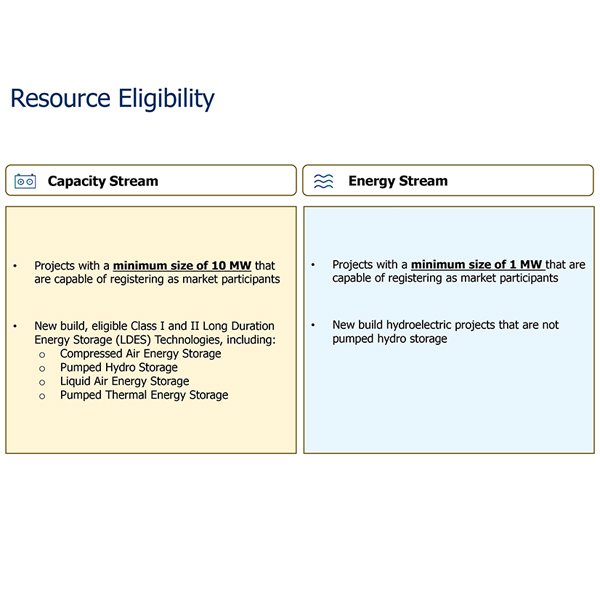
Changing course, IESO agreed to accept separately metered expansions as “new build” projects in its upcoming Long Lead-Time procurement.
Shutterstock
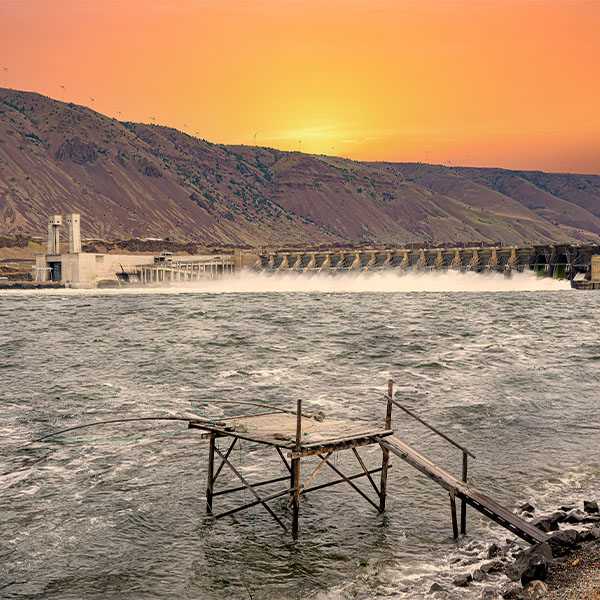
A federal judge in Oregon ordered increased spill levels at eight dams on the Columbia and Snake rivers in order to protect endangered salmon species, rejecting claims that doing so would impede power generation.
NYSERDA
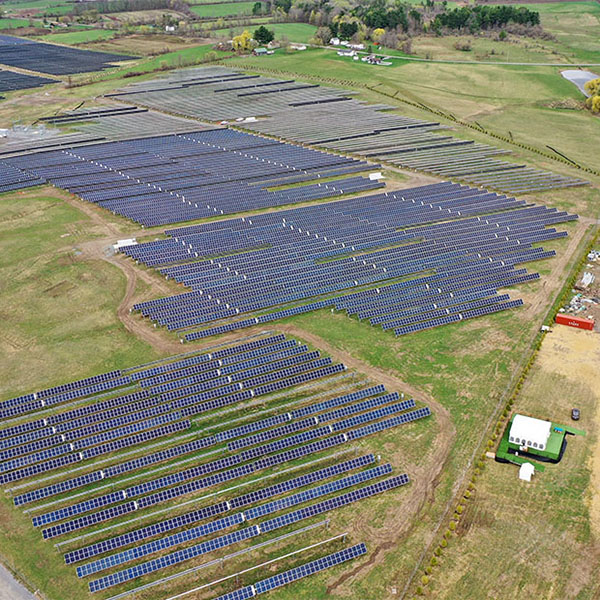
After a decade of intensive policy work and billions of dollars expended, the state’s grid was more reliant on carbon-based fuels in 2024 than in 2014.
IESO
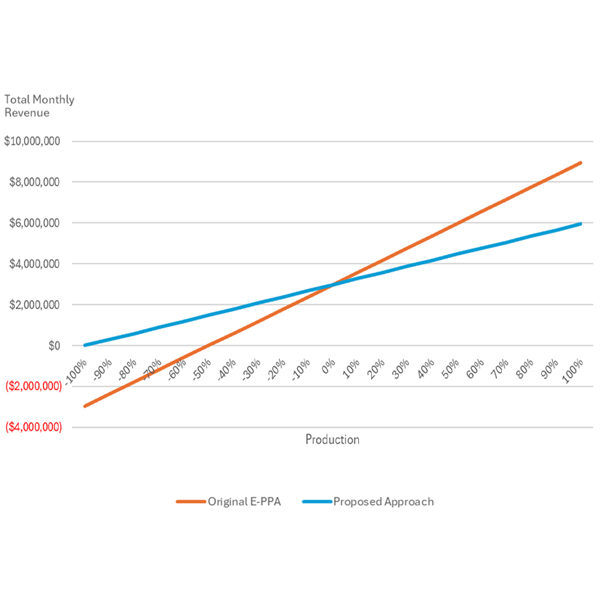
IESO officials held firm on excluding hydro redevelopment projects from the ISO’s Long Lead-Time procurement despite objections from potential bidders.
© RTO Insider LLC
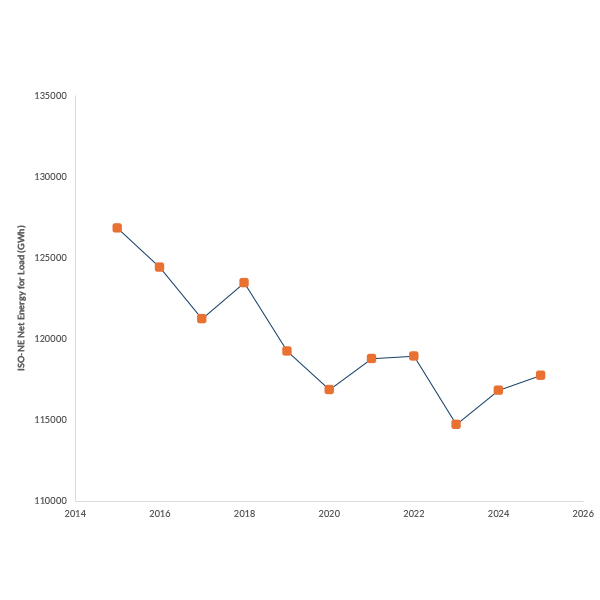
After years of declining or stagnant power demand in New England, annual energy demand ticked up for the second straight year in 2025, potentially indicating the start of a broader upward trend.
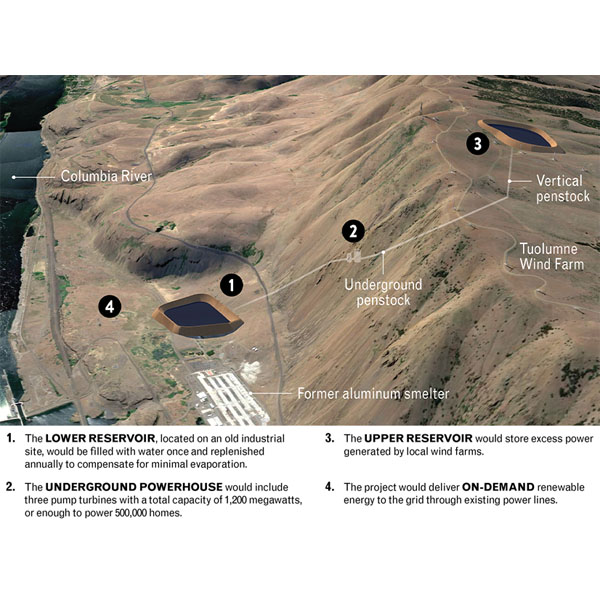
Goldendale Energy Storage LLC
FERC approved a 40-year license for a proposed 1.2-GW pumped hydroelectric storage facility near the city of Goldendale in Klickitat County, Wash.
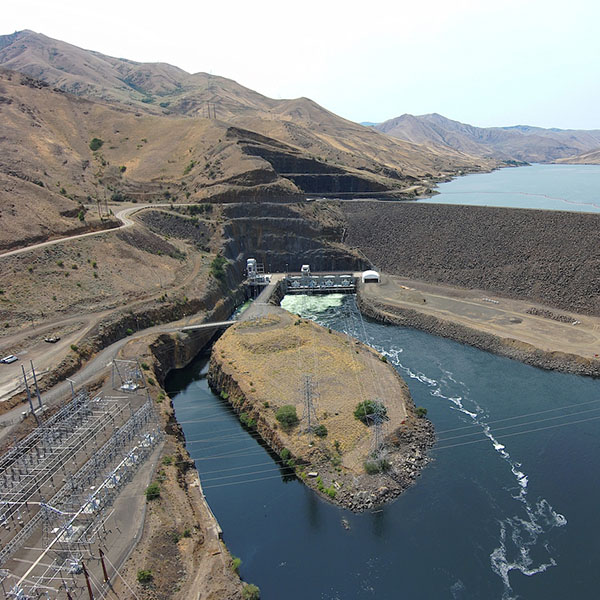
Idaho Power
FERC staff recommended the commission relicense three Idaho Power-owned dams that have been operating under annual licenses since 2005, finding the company’s proposed measures adequately mitigate the environmental impact of the dams.
Want more? Advanced Search
