
Nuclear Power
The Breakthrough Institute
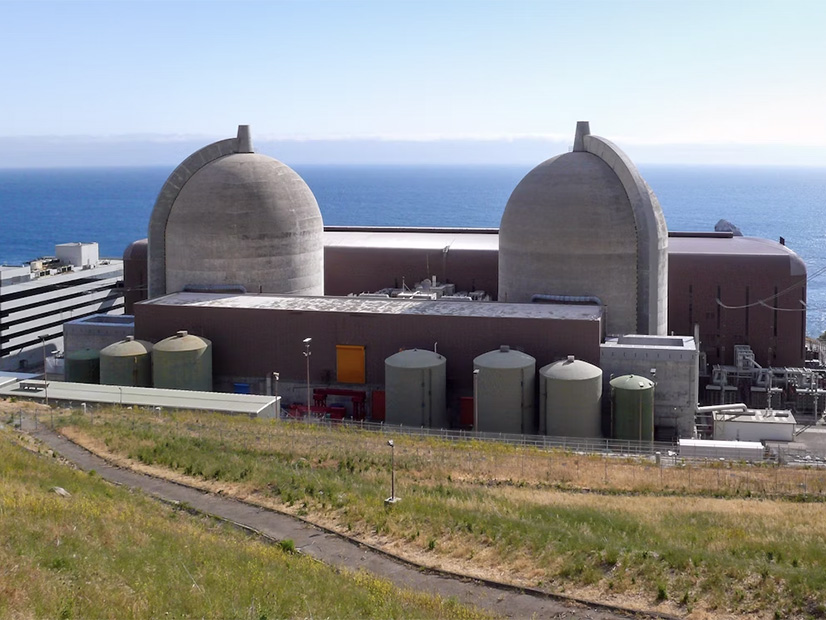
The Nuclear Regulatory Commission issued a 20-year license renewal for the Diablo Canyon Power Plant, a nuclear facility seen as key to California grid reliability as the state transitions to clean energy.
Vistra
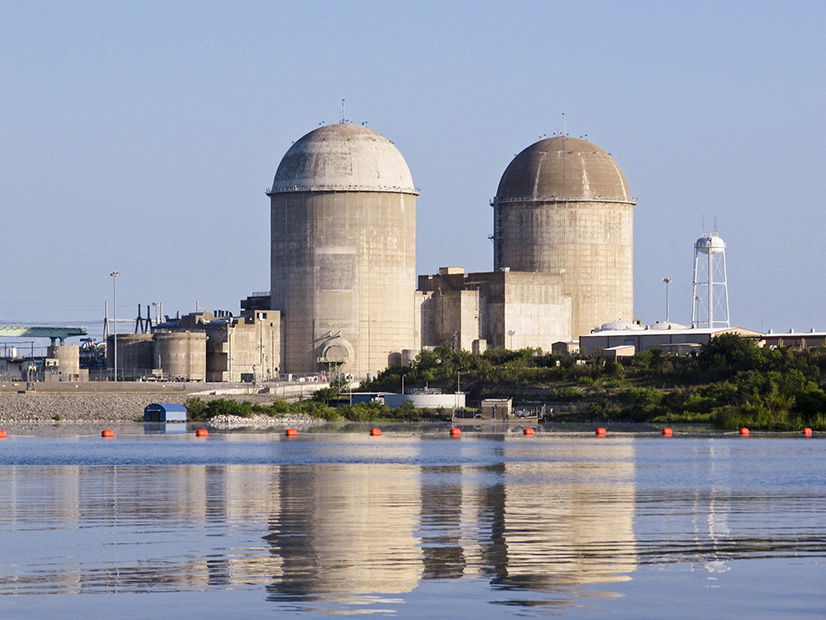
Texas opened applications for $350 million in advanced nuclear grants through the Texas Advanced Nuclear Development Fund to support the state's nuclear energy industry.
© RTO Insider
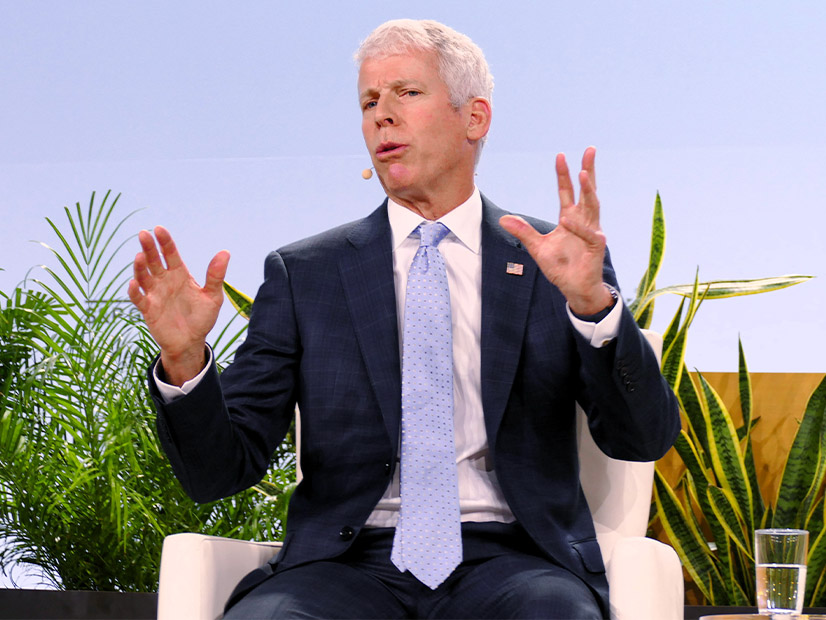
U.S. Energy Secretary Chris Wright opened the CERAWeek conference with a plenary session during which he praised fossil fuels and bashed clean energy.
GE Vernova
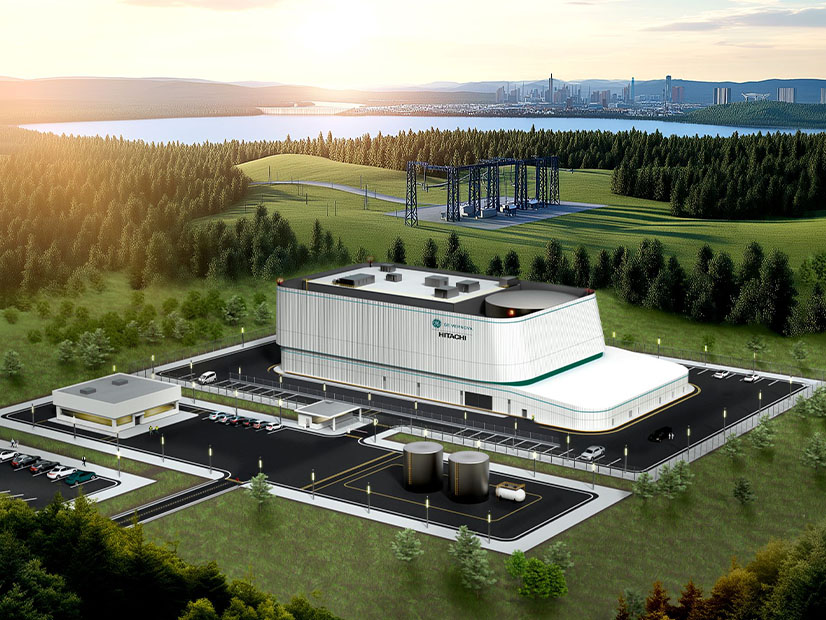
A new report by a nuclear advocacy organization lays out some of the obstacles facing the imagined U.S. nuclear renaissance and suggests ways to address them.
AEP
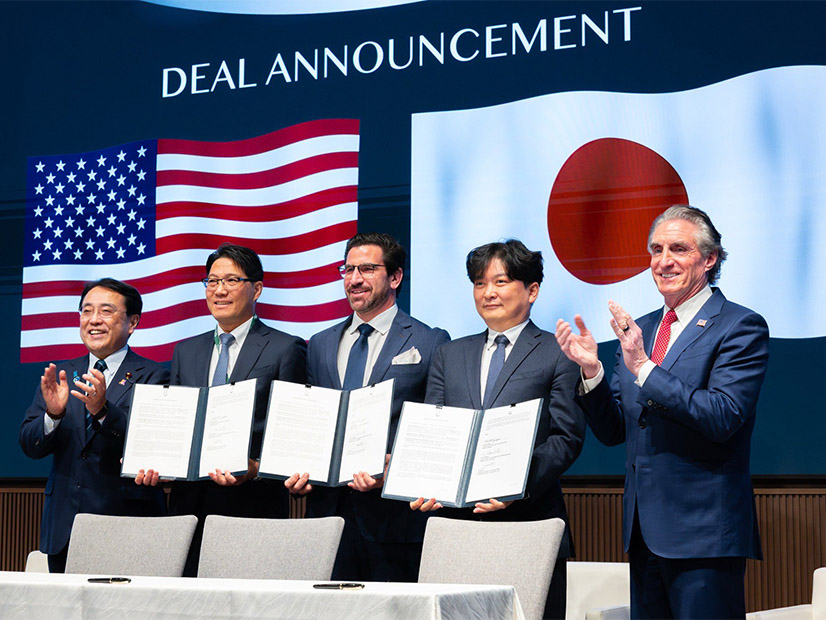
The Trump administration announced billions of dollars in investments from a deal it struck with Japan, which will help build natural gas plants to serve hyperscale data centers, including at a defunct uranium production site owned by DOE in Ohio.
Department of the Interior
The Trump administration announced energy, technology and resource deals worth $56 billion coming out of an Asia-Pacific energy security summit.
APS
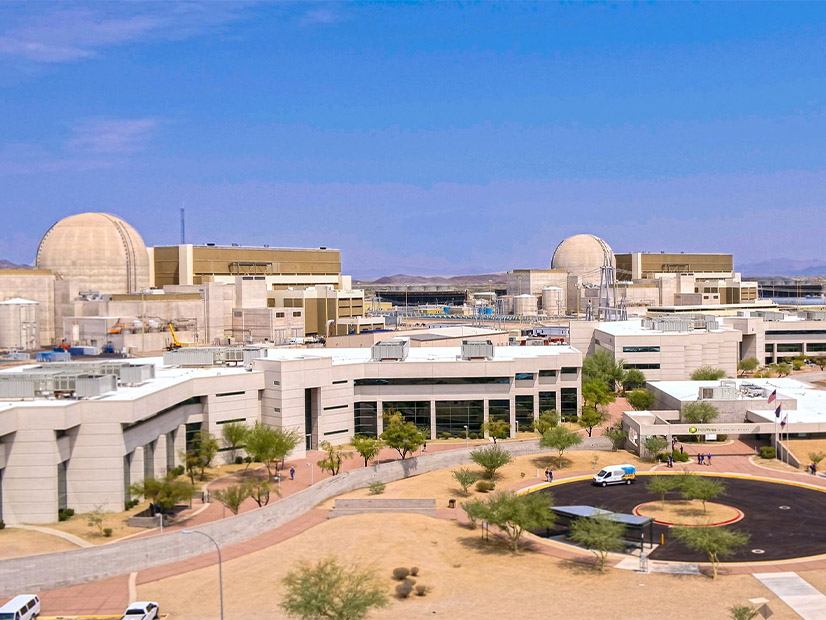
Arizona Public Service notified the Nuclear Regulatory Commission it plans to seek operating license renewals for all three units at Palo Verde Generating Station, potentially extending operations through the mid-2060s.
Shutterstock
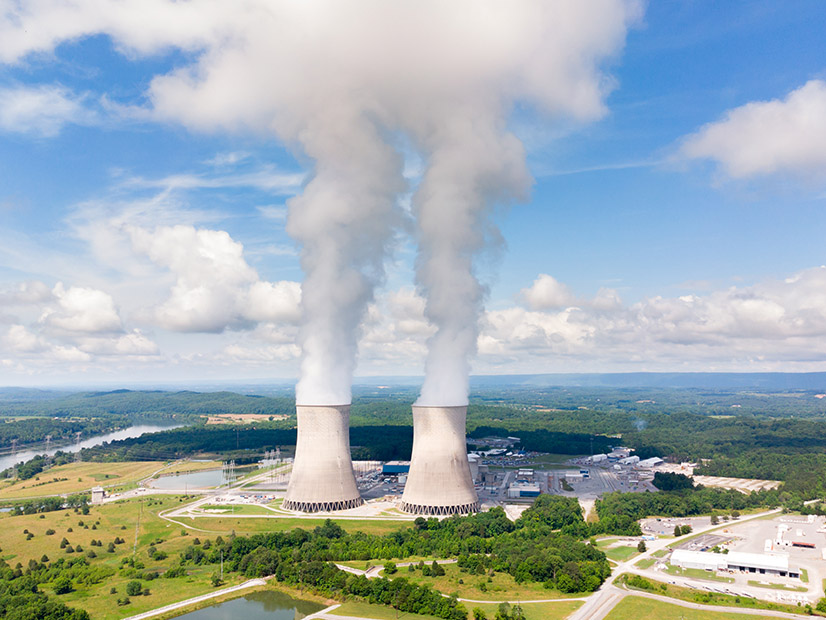
The Nuclear Regulatory Commission reports that 90 of the nation’s 95 operational commercial nuclear reactors met the highest category of performance in the 2025 oversight process.
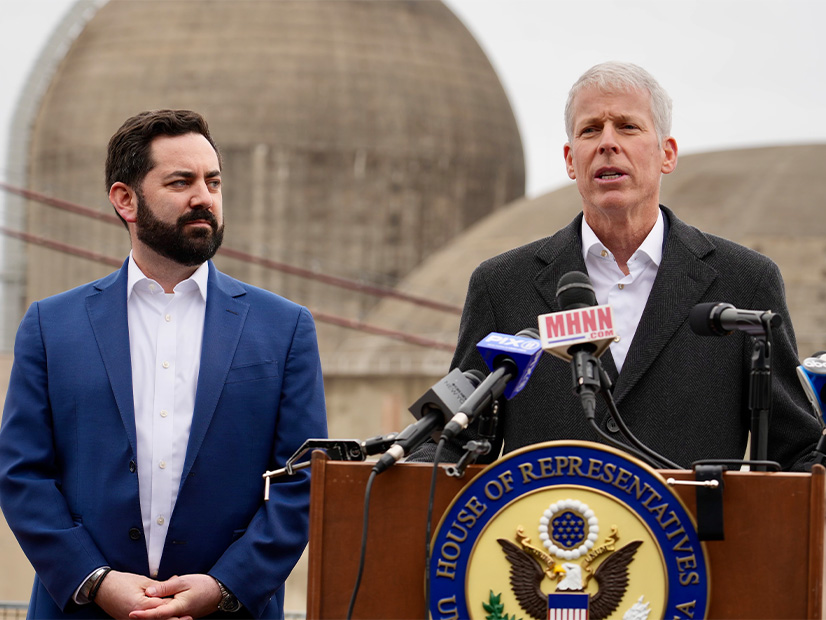
U.S. Rep. Mike Lawler
No specifics are being offered, and the site’s owner indicates significant financial and political support must be established before such a restart of Indian Point could be considered.
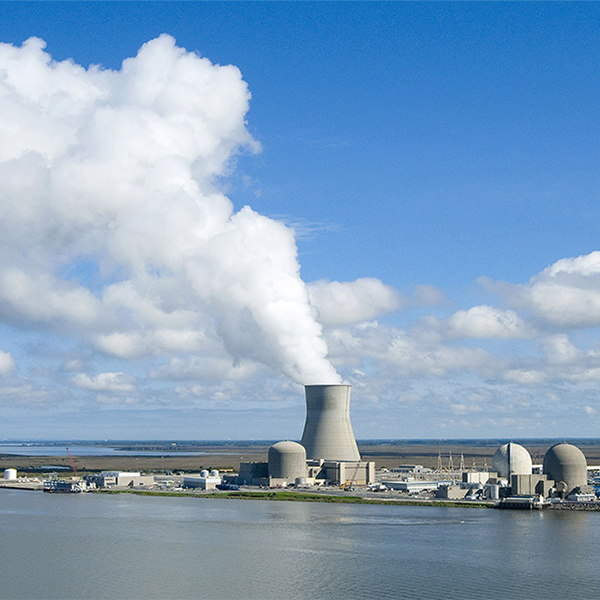
PSEG
PSEG is working to meet the energy needs expressed by New Jersey Gov. Mikie Sherrill and is gearing up to help with the potential expansion of the state’s nuclear and gas generation fleet.
Want more? Advanced Search
