
Onshore Wind

© RTO Insider
ERCOT can ensure long-term reliability with its energy-only market, but it must operate its grid less conservatively for that to happen, said Potomac Economics President David Patton.

© RTO Insider
ISO NE CEO Gordon van Welie talked about the evolving grid in New England and how markets are changing and what the future holds as state policies drive higher demand and increasing decarbonization.

© RTO Insider
State policymakers and industry leaders at the Alliance for Clean Energy New York’s Fall Conference offered messages of full support even as they acknowledged the federal roadblocks thrown in their path.
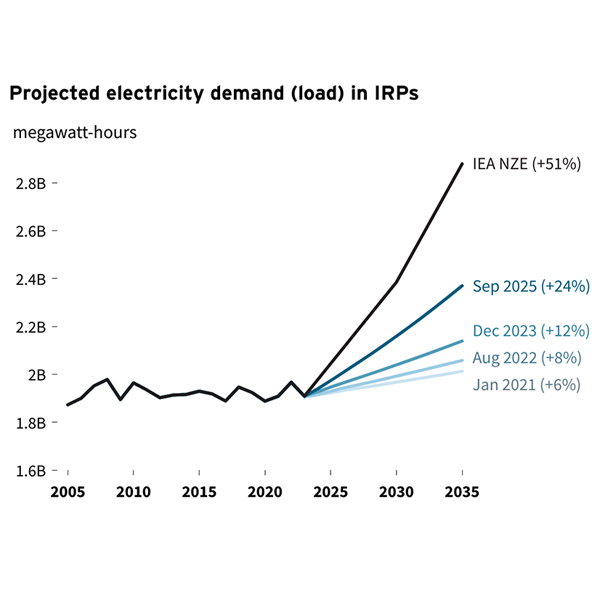
RMI
As of September 2025, the IRPs are projecting demand will be 24% higher in 2035 than in 2023, RMI reported.
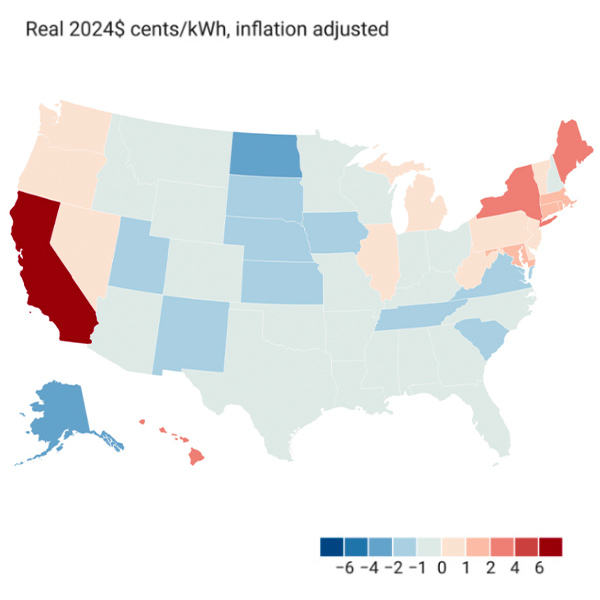
Lawrence Berkeley National Lab and Brattle Group
The Lawrence Berkeley National Laboratory released a paper recently examining why some states have seen retail power prices rise faster than inflation.
© RTO Insider
FERC terminated a show-cause proceeding against SPP and accepted the RTO’s proposal to revise its collateral requirements for financial transmission rights by including an additional re-marking mechanism for seasonal products.
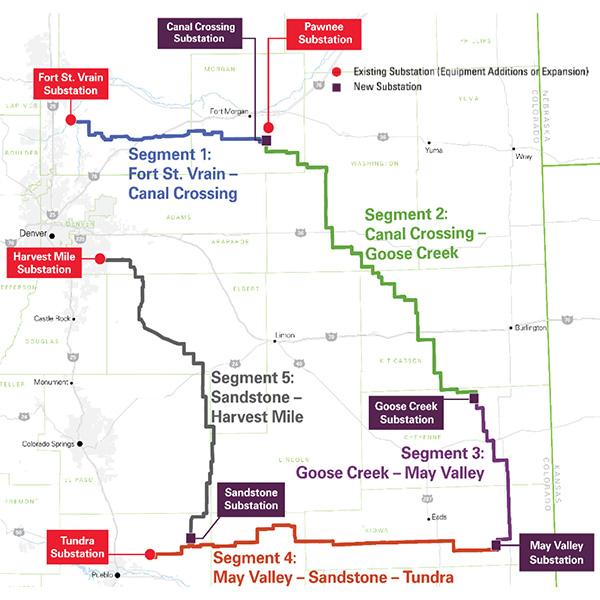
PSCo
Xcel Energy is fighting two counties that are blocking a segment of the company’s Colorado’s Power Pathway transmission project.

CPUC
The California PUC is recommending the state build an additional 68.5 GW of new solar generation resources by 2045, despite new tariffs on imports and the planned elimination of federal tax credits.
Clean Energy Buyers Association
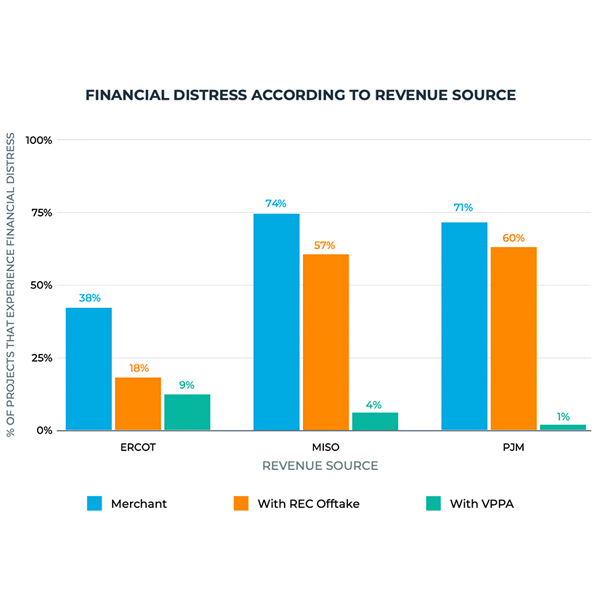
CEBA put out a study quantifying how its members' offtake agreements with clean energy have helped grow the sector, which will be a major factor going forward regardless of federal policy changes.
GE Hitachi and Ontario Power Generation
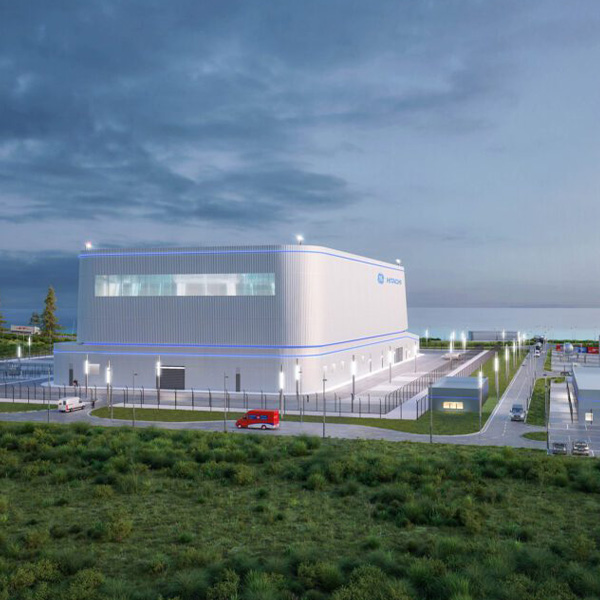
Ontario environmental groups panned the Canadian government’s inclusion of small modular reactors among infrastructure projects selected to receive fast-track regulatory treatment, saying renewables would be a far cheaper way to expand generation capacity.
Want more? Advanced Search
