
Resource Adequacy
Resource adequacy is the ability of electric grid operators to supply enough electricity at the right locations, using current capacity and reserves, to meet demand. It is expressed as the probability of an outage due to insufficient capacity.
Senate ENR Committee
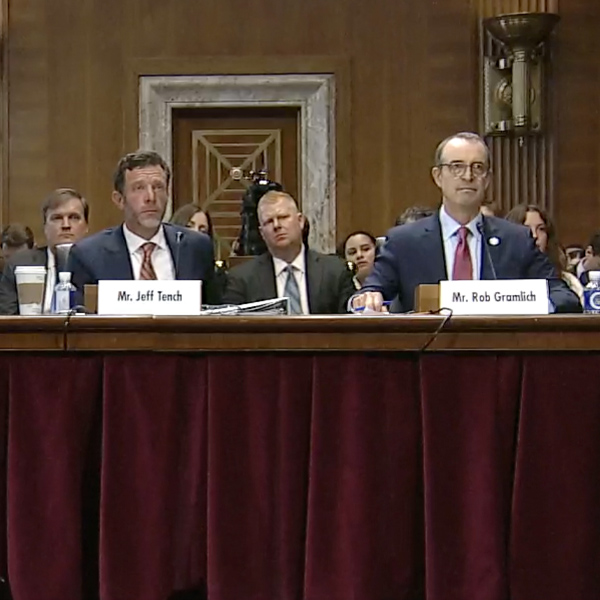
The Senate Energy and Natural Resources Committee held a hearing on the growing demand for power and how to address it.
Shutterstock
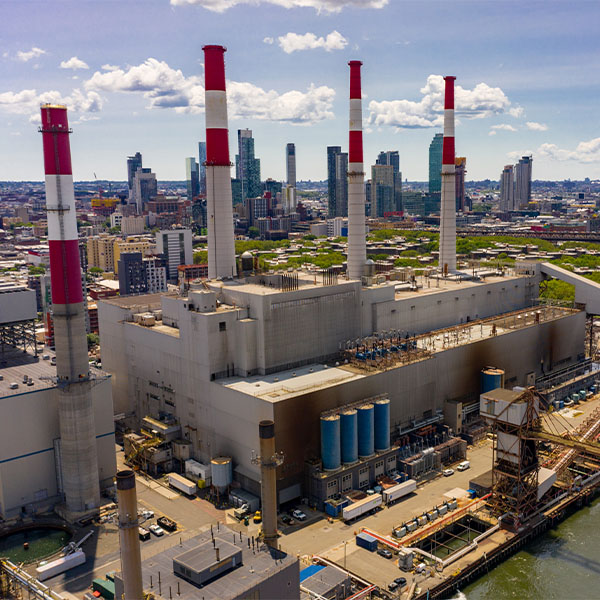
As it updates its energy to reflect new challenges to decarbonization, New York is contemplating what until recently seemed improbable: new fossil-fired generation.
CAISO DMM
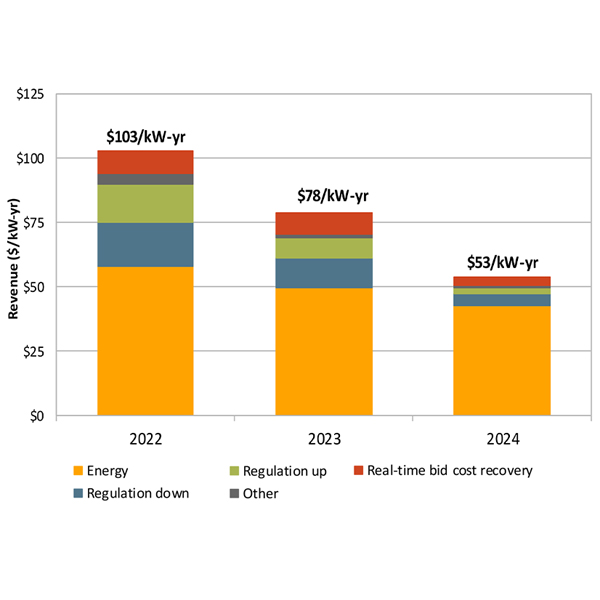
California’s fastest-growing energy resource — battery storage — is earning less net revenue each year, while capacity is forecast to continue to boom.
ISO-NE
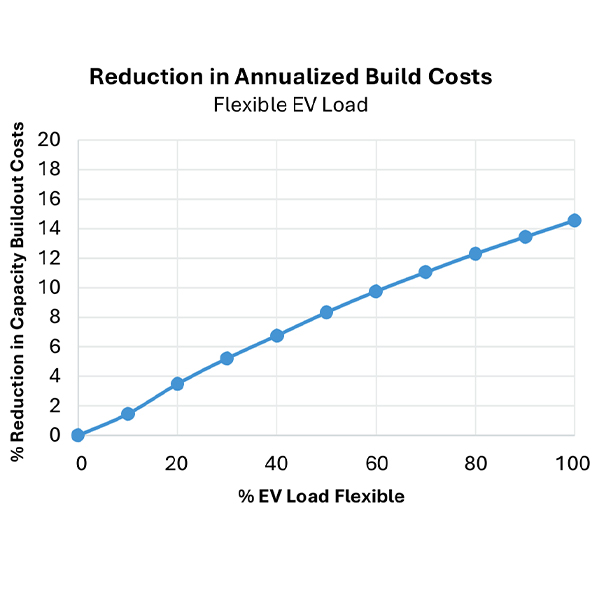
Increased demand flexibility could significantly reduce production costs, capital costs, and transmission costs in New England by better-aligning load with generation and reducing peak loads, ISO-NE said.

Invenergy
FERC approved a controversial MISO proposal to create a fast lane for certain reliability-related projects in the RTO’s interconnection queue — just two months after rebuffing an earlier version of the plan.
WRA
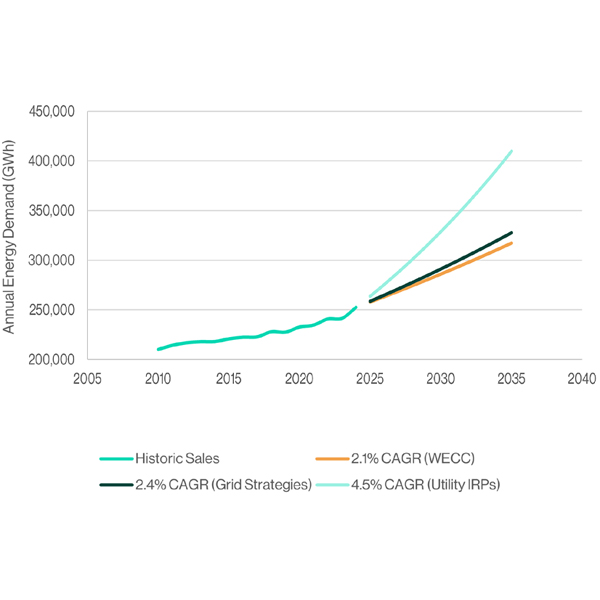
With data centers contributing to surging load growth, a new report suggests that more Western utilities should adopt clean transition tariffs or even make the tariffs mandatory for certain large customers.
The Brattle Group
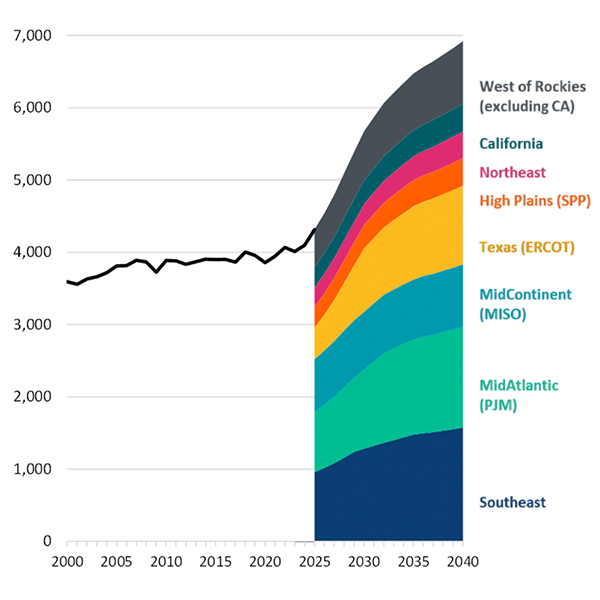
A CATF report argues that planners need to use demand-side resources, grid-enhancing technologies and other quick-to-deploy resources as part of a "least-regrets" effort to meet growing demand.

© RTO Insider LLC
SPP stakeholders resoundingly rejected a proposed tariff change to integrate large loads, pushing back against what some say is a rushed process outside of the normal stakeholder structure.

© RTO Insider
Retiring ISO-NE CEO Gordon van Welie discussed the changes he helped oversee during his time at the RTO, including the rise of gas generation and major investments in transmission infrastructure.
© RTO Insider LLC
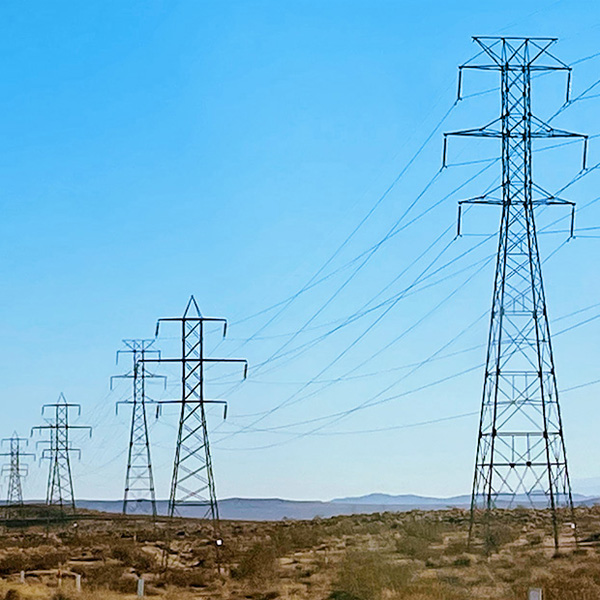
CAISO is asking the California Public Utilities Commission to consider issuing a new procurement order to meet the region’s electricity reliability needs from 2028-2032, citing significant forecasted load growth in those years.
Want more? Advanced Search
