
Resource Adequacy
Resource adequacy is the ability of electric grid operators to supply enough electricity at the right locations, using current capacity and reserves, to meet demand. It is expressed as the probability of an outage due to insufficient capacity.

© RTO Insider
The 2025 Mid-America Regulatory Conference tackled themes on meaningful public engagement, nuclear options, bill affordability and DEI programs falling out of favor.
© RTO Insider
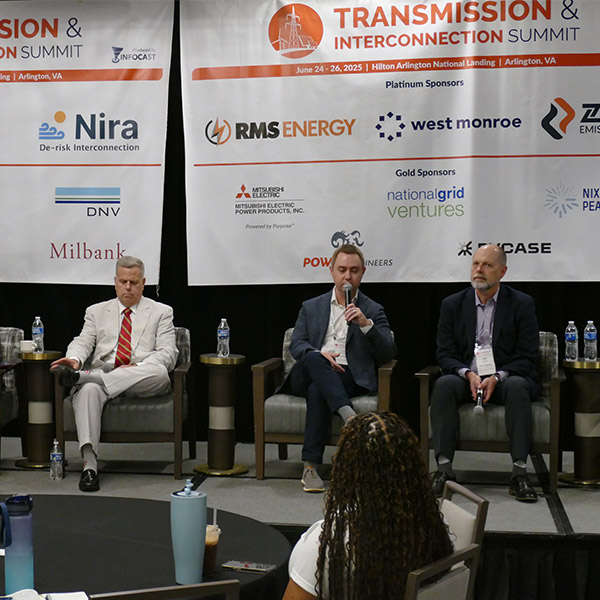
The current state of transmission policy was examined at an Infocast conference that went into the possibility for a permitting bill and looked at the implementation of recent FERC orders.
PacifiCorp
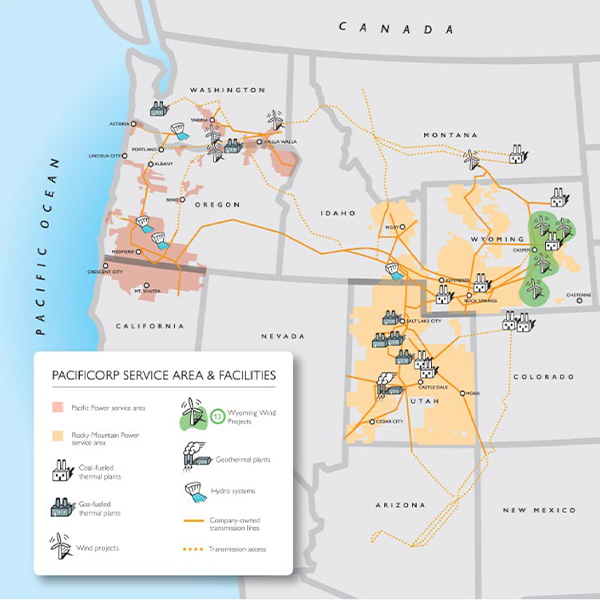
Portland General Electric told Oregon regulators that after decades of electricity flowing from north to south through its system during the summer, the flow on a typical summer day has reversed.
FERC
NERC Chief Engineer Mark Lauby said the North American grid already has measures in place to prevent the mishaps that led to April's blackout in Spain and Portugal.
Yes Energy
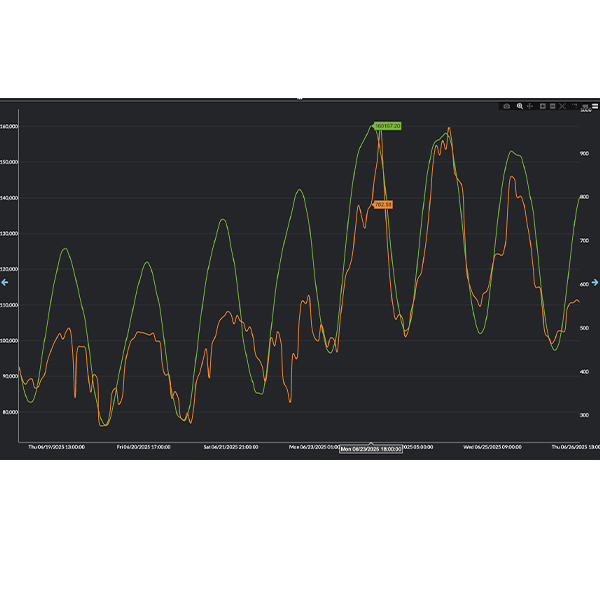
PJM experienced a preliminary peak load over 160 GW during the recent heat wave, surpassing the RTO’s summer forecast of 154 GW and requiring the deployment of pre-emergency demand response.
Consumers Energy
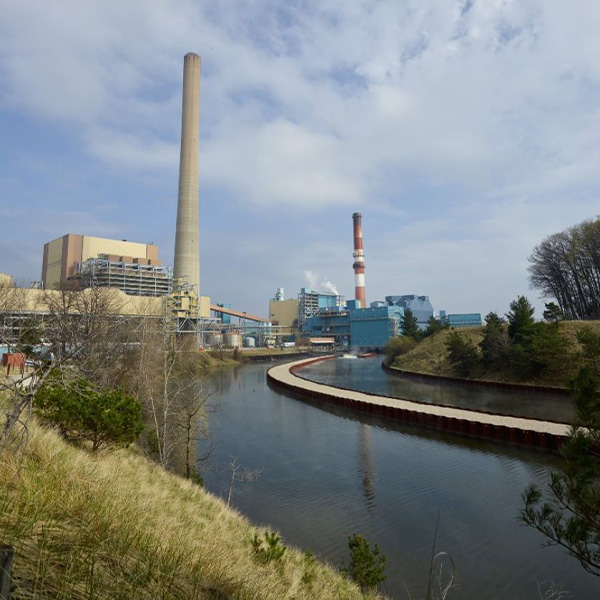
Half of the Organization of MISO States have challenged the Department of Energy’s directive to keep the J.H. Campbell coal plant in Michigan operating through late August.
ERCOT
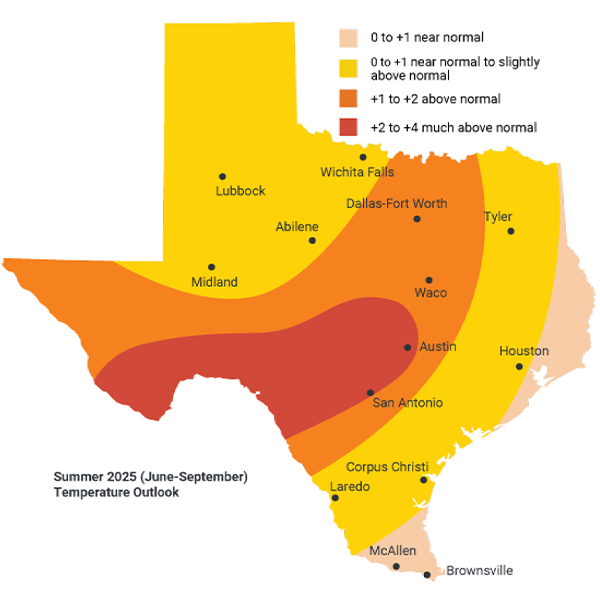
ERCOT CEO Pablo Vegas declared the state of the Texas grid to be "strong" as it heads into a summer where it expects a record peak demand.
NYISO
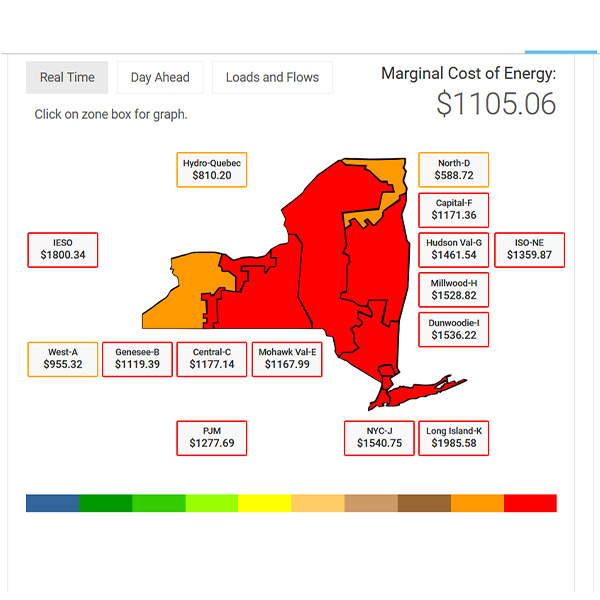
A third straight day of intense heat in New York resulted in an Energy Warning from NYISO as reserves dwindled.
Newkirk Electric Associates
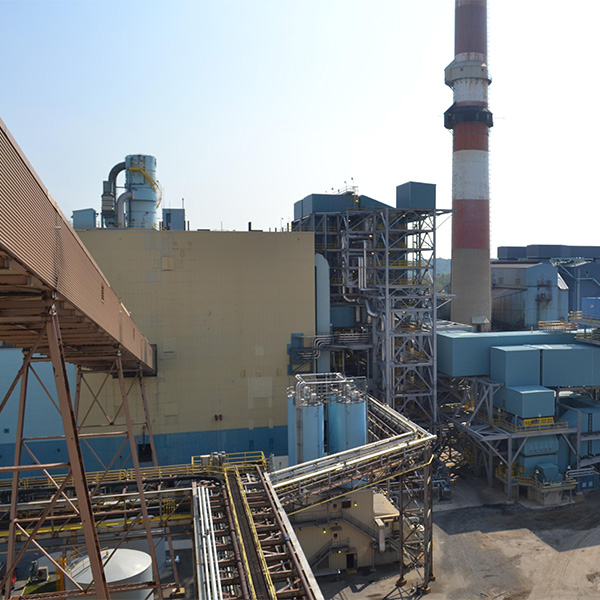
The Michigan attorney general and a group of 10 NGOs have filed for rehearing of DOE's order to keep a coal plant running for this summer, while those parties and others debated the cost recovery filing Consumers Energy made at FERC.

MISO
MISO Midwest entered emergency status during the RTO’s first serious heat wave of the summer.
Want more? Advanced Search
