
Resource Adequacy
Resource adequacy is the ability of electric grid operators to supply enough electricity at the right locations, using current capacity and reserves, to meet demand. It is expressed as the probability of an outage due to insufficient capacity.
Entergy
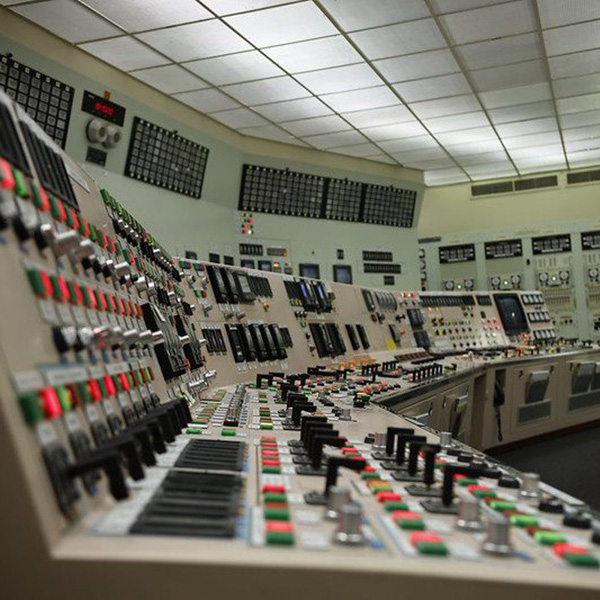
FERC has given the Palisades Nuclear Plant special permission to exceed MISO’s 36-month limit on generator suspensions as owner Holtec International works through the plant’s reopening.

BLM
With data centers already causing “major disturbances” on the grid, the industry could learn lessons from the recent growth and implementation of IBRs, according to a new Elevate Energy Consulting study.
© RTO Insider LLC
MISO is nearing an overhaul of its capacity accreditation methods for load-modifying resources and demand response that would be based on whether they can assist during periods of high system risk.
Brattle Group
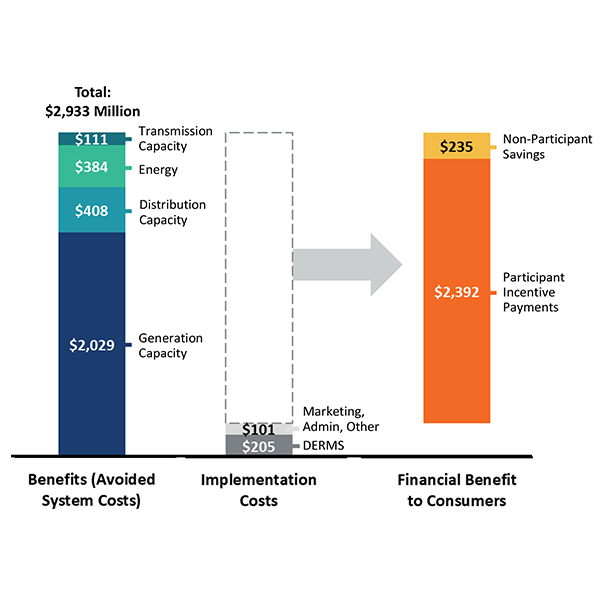
A Brattle Group study found that New York could achieve 8.5 GW in “grid flexibility” measures by 2040, saving consumers more than $2 billion a year.

© RTO Insider LLC
Participants at the National Association of Regulatory Utility Commissioners’ Winter Policy Summit emphasized the need for additional investment in the grid.

© RTO Insider LLC
One of the major topics at NARUC's Winter Policy Summit was demand growth driven by data centers, which brings plenty of uncertainty with it.
ERCOT
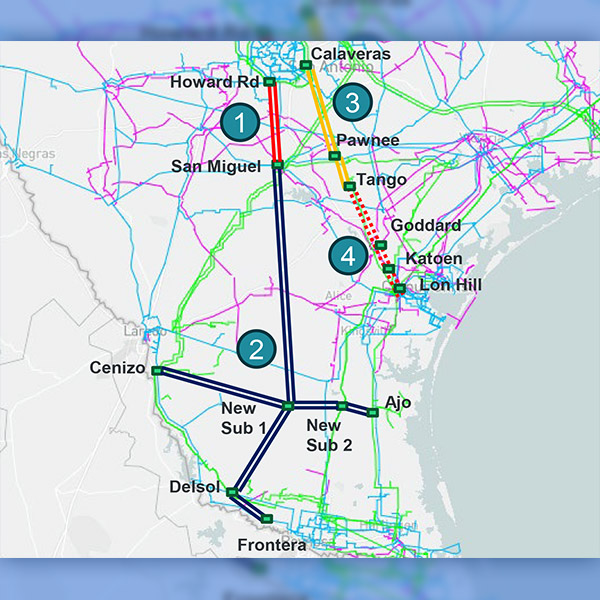
ERCOT’s Board of Directors has approved staff’s recommendation to pursue the use of 15 mobile generators as an alternative to extending the life of two aging gas units slated for retirement in South Texas.
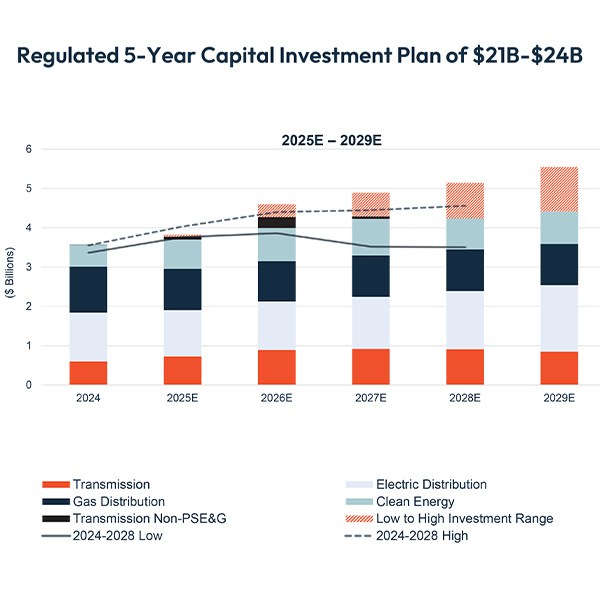
PSEG
Public Service Enterprise Group saw an “over-12-fold” increase in mature leads and inquiries from customers exploring “large load and data center projects” over the past year, CEO Ralph LaRossa said in the utility’s fourth-quarter earnings call.

Shutterstock
A report released in February by Aurora Energy Research has found that President Donald Trump’s executive orders have put 43 GW of East Coast offshore wind projects at risk of permitting delay.

© RTO Insider LLC
MISO and SPP executives promised to open their queues’ floodgates at the Gulf Coast Power Association’s annual MISO-SPP conference.
Want more? Advanced Search
