
American Clean Power Association (ACPA)
ACP
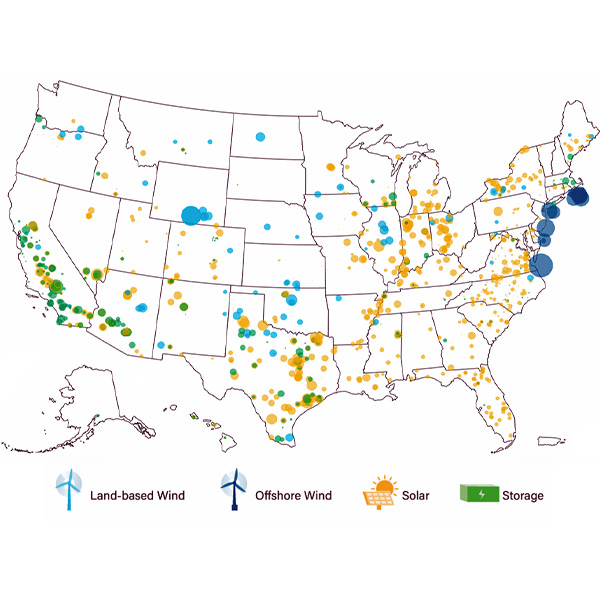
Nearly 5.6 GW of new solar, wind and storage capacity was added in the United States in the first quarter of 2024, the American Clean Power Association reported.

© RTO Insider LLC
While their net-zero emission targets might not kick in until the 2030s, the power industry already is dealing with the issues they create, panelists said at the Electric Power Supply Association’s Competitive Power Summit.
American Clean Power Association
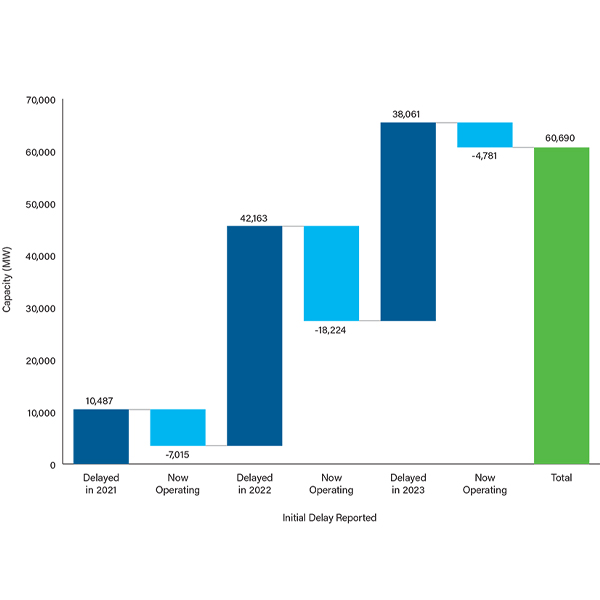
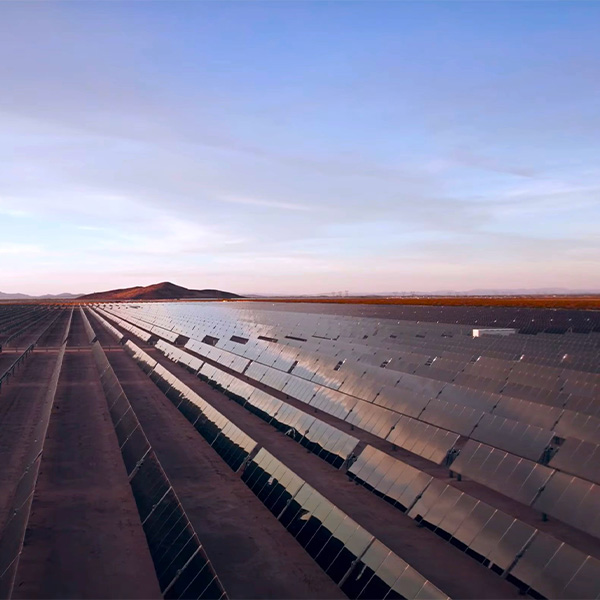
The U.S. could nearly quadruple solar capacity in the next 10 years, according to a SEIA report, while a ACP report shows that delays on clean energy projects have put more than 60 GW of clean power capacity on hold.
© RTO Insider LLC
Bribery scandals and concerns over reliability and the pace of decarbonization have caused increasing scrutiny of utilities’ political activities.
BloombergNEF
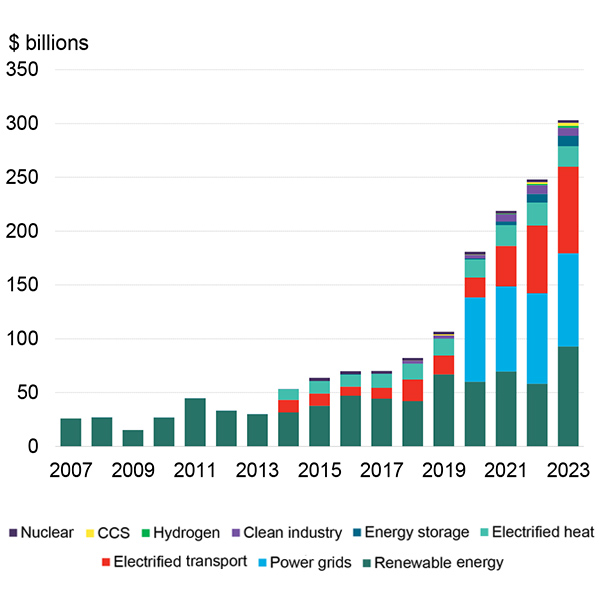
The momentum created by billions of dollars in federal incentives and tax credits has been tempered by supply chain constraints and the impacts of inflation and higher interest rates.
American Clean Power Association
Multiple clean energy organizations have asked FERC to reconsider its approval of automatic penalties for withdrawing generation in MISO’s interconnection queue.
Wood Mackenzie
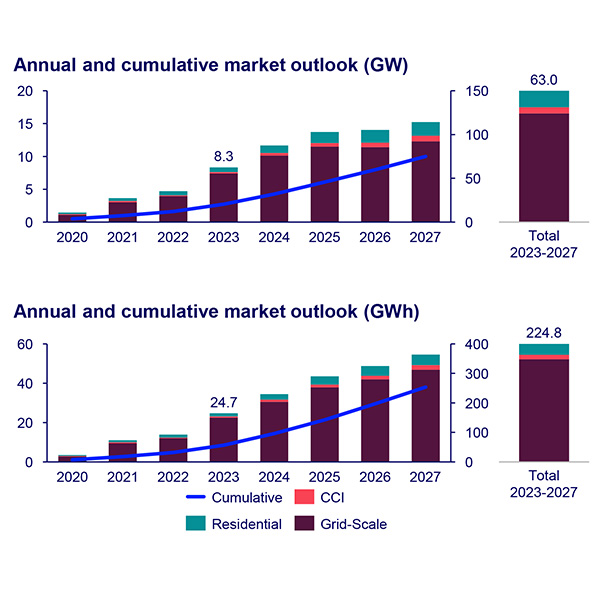
Grid- or utility-scale storage continues to be a primary driver of U.S. market growth, jumping 71% from the third quarter of 2022 to the same quarter this year.

© RTO Insider LLC
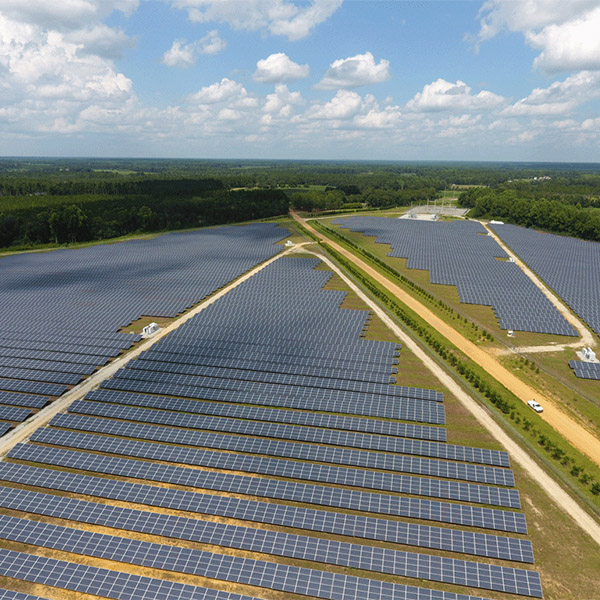
Getting more solar on the grid is a critical issue in D.C., Maryland and Virginia, each of which has set ambitious targets for running their electric systems on 100% clean power.
EMC Engineering Services
The Treasury Department released guidelines for the Inflation Reduction Act’s investment tax credits for clean energy projects.

Grid Strategies
A new ACORE report concludes MISO and PJM could save ratepayers $15 billion in a little more than a decade if they build more interregional transmission.
Want more? Advanced Search
