battery storage
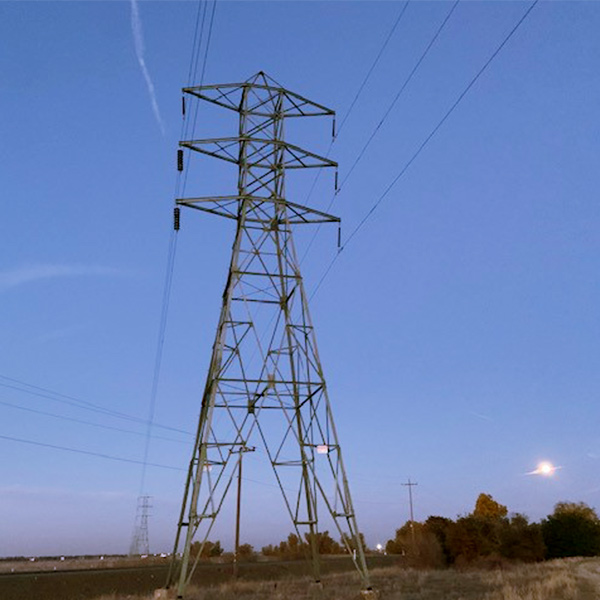
Democrats and Republicans disagreed on how to ensure the country’s grid is clean, reliable and prepared for the next catastrophic weather event.
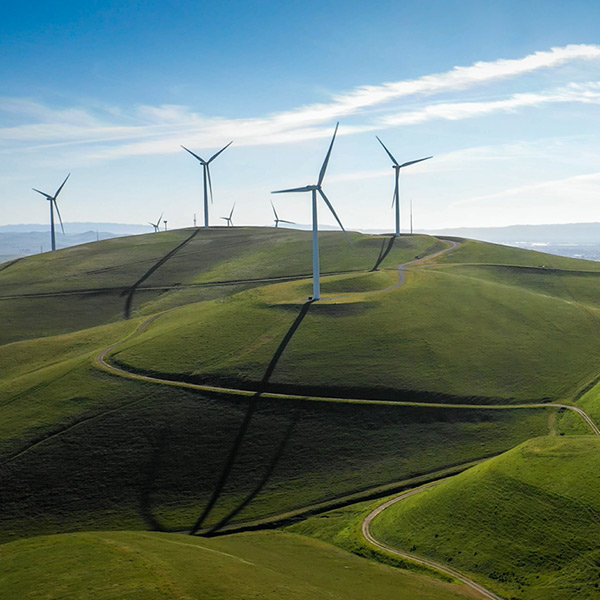
Eight of California’s community choice aggregators said they will join forces to create one of the state’s largest procurement entities.

The California Energy Commission updated its 2020-2030 forecast to account for the COVID-19 pandemic and increased electric-vehicle charging.
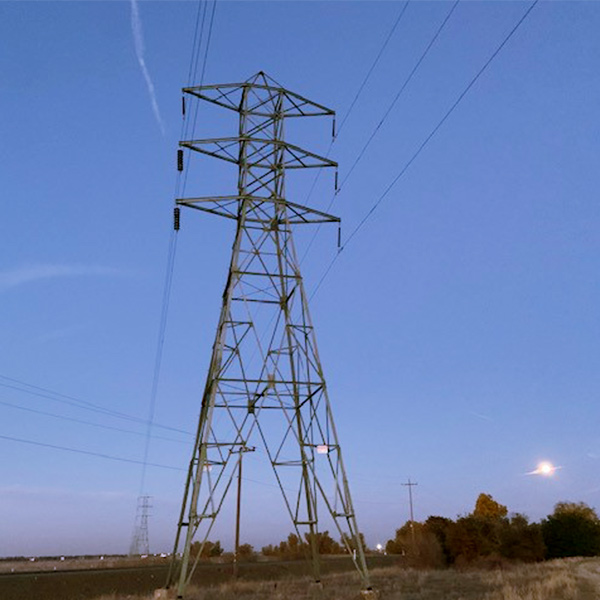
CAISO’s top priority in 2021 will be making sure there is enough generating capacity for summer after last year’s shortfalls.
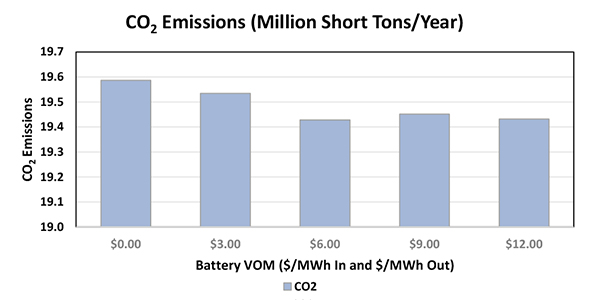
ISO-NE presented to the Planning Advisory Committee feedback on lessons learned from its competitive Boston-area transmission solicitation.
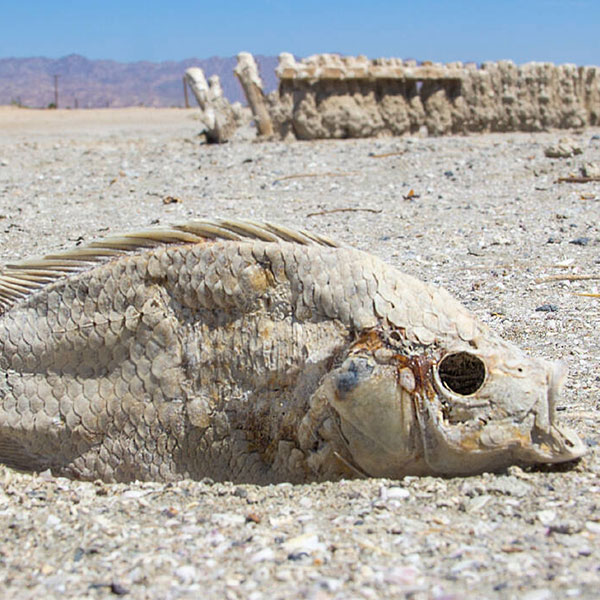
A proposal to extract lithium for battery production in California moved forward when the CEC named members of a panel to address the plan.
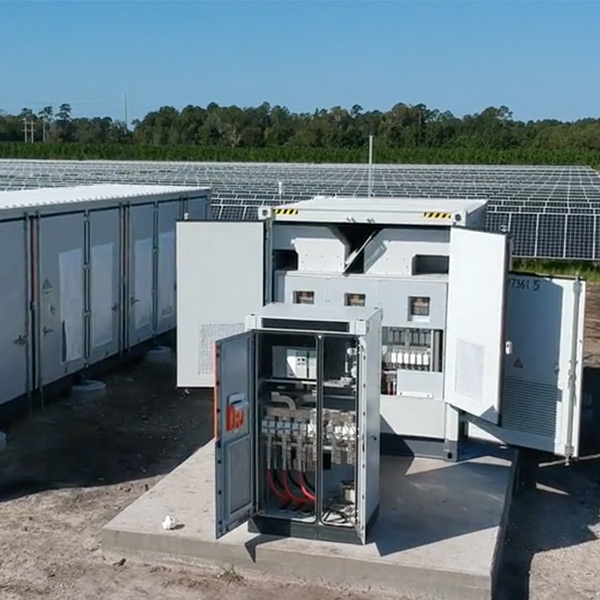
FERC approved a CAISO plan meant to allow co-located resources to connect to the grid more quickly and seamlessly in the coming months.
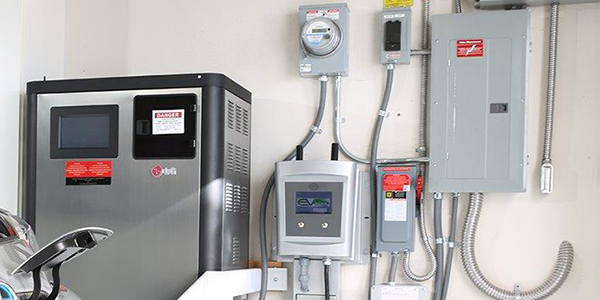
The California PUC acted to correct a “serious omission” that it said had resulted in huge sums of money going to residents regardless of income.
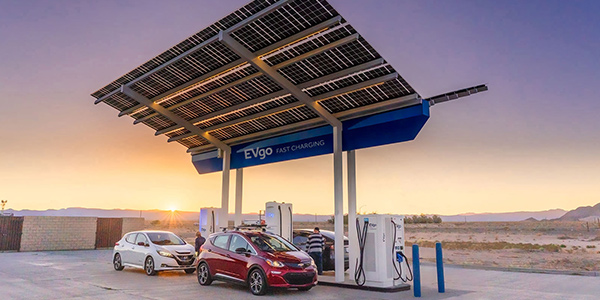
Questions remain about whether California can install enough chargers, sell enough EVs and build sufficient generation to meet its ambitious goals.
Funds intended to provide batteries to poor residents in high fire-threat areas have been used by customers for pumping well water.
Want more? Advanced Search