
California Independent System Operator (CAISO)
© RTO Insider LLC
FERC granted CAISO's request to remove the sunset date on the Western Energy Imbalance Market Assistance Energy Transfer feature, which has been used by more than 10 of the market’s balancing area authorities in recent years.

CAISO
CAISO's Department of Market Monitoring has asked the ISO to re-evaluate its intertie scheduling proposal for the Extended Day-Ahead Market due to potential impacts on market participants.
Shutterstock
FERC denied rehearing requests regarding approved revisions to CAISO’s Open Access Transmission Tariff generator interconnection procedures, which contesting parties said rely on in part on “subjective and discriminatory criteria.”

CAISO
At one of the most well attended workshops of the year, CAISO staff described new processes for scheduling intertie resources and resource adequacy imports in EDAM.
© RTO Insider LLC
CAISO’s Board of Governors approved two proposals intended to improve how the ISO calculates resource adequacy values and tracks RA supply.

CAISO
In an ongoing high-stakes analysis, CAISO has determined that transactions between PacifiCorp’s two balancing authority areas can “materially” affect parallel flows on certain CAISO transmission constraints.

CAISO
PacifiCorp and Portland General Electric remain on track to join CAISO’s Extended Day-Ahead Market on their planned entry dates, although the schedule remains “very tight and very aggressive."

CAISO
The West-Wide Governance Pathways Initiative’s Launch Committee Co-Chair Pam Sporborg said the stakeholder process of the new regional organization that will oversee CAISO’s energy markets is an evolution of the ISO’s Regional Issues Forum.
New Mexico PRC
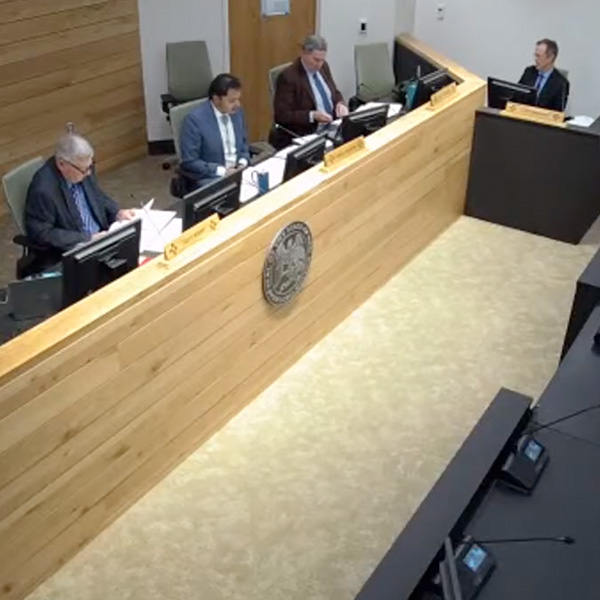
State regulators approved an accounting order for Public Service Company of New Mexico’s participation in CAISO’s Extended Day-Ahead Market, in a case that rekindled the debate over which day-ahead market PNM should choose.

California Governor's Office
The 2025 California legislative session ended in disappointment for virtual power plant proponents, as several VPP-related bills were vetoed and funding fell through for an existing program.
Want more? Advanced Search
