
Capacity Auction Reforms (CAR)
© RTO Insider LLC
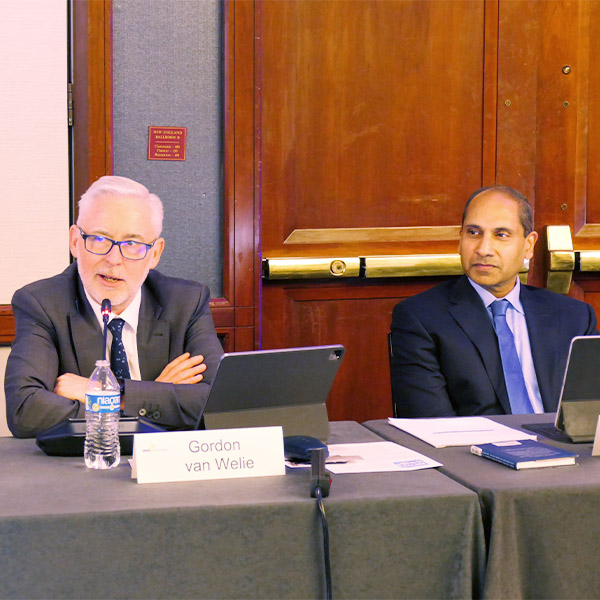
The NEPOOL Participants Committee voted nearly unanimously to support the first phase of ISO-NE’s capacity auction reform project.

© RTO Insider
An increasing political anxiety around energy affordability permeated debates about wholesale market changes, federal policy and demand growth at the annual New England Energy Summit.
Granite Shore Power
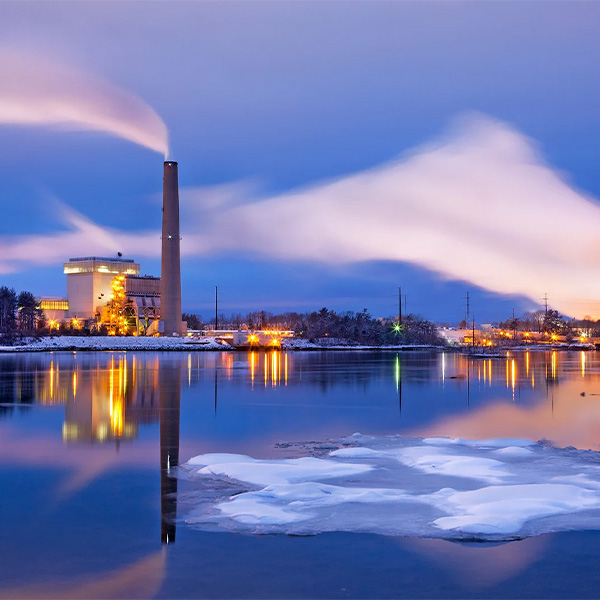
In New England, increasing winter reliability concerns are driving questions about how long the region’s aging fleet of oil-fired power plants can, or should, remain on the system.

Shutterstock
ISO-NE outlined proposed capacity accreditation for active and passive demand capacity resources at the NEPOOL Reliability Committee.
Analysis Group
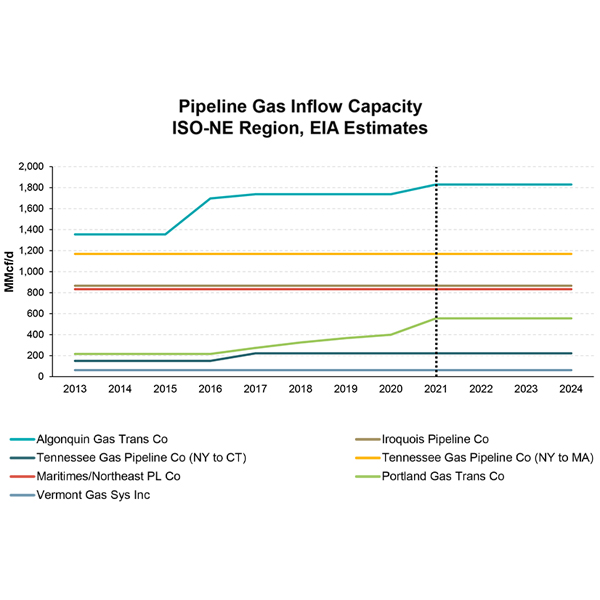
ISO-NE outlined its planned approach for accounting for resources’ gas supply limitations in its new capacity accreditation framework at a NEPOOL Markets Committee meeting.
ISO-NE
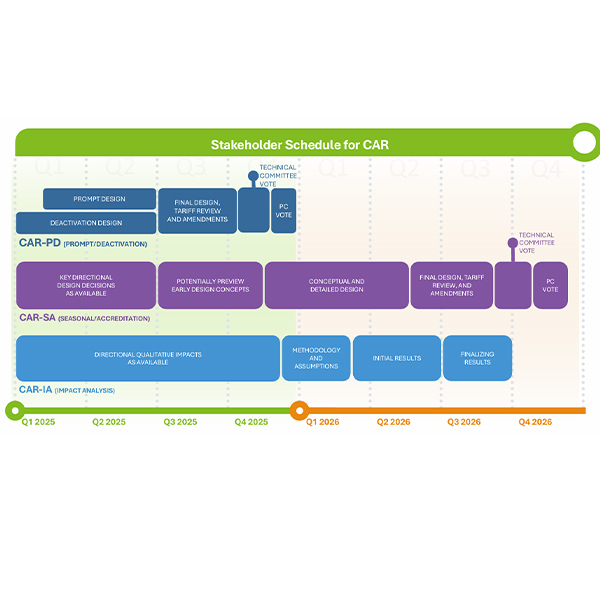
NEPOOL technical committees voted in favor of ISO-NE’s proposal to adopt a prompt capacity auction and update the RTO’s resource retirement process.
ISO-NE
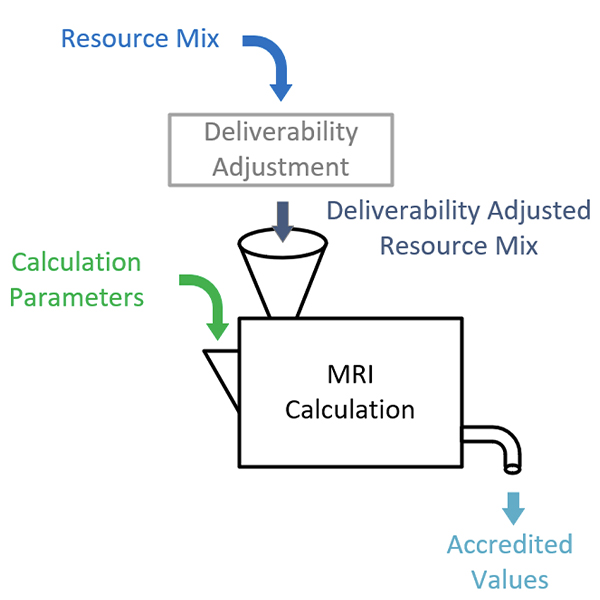
ISO-NE presented a high-level overview of how it plans to account for resource deliverability in its updated capacity accreditation framework.
ISO-NE
NEPOOL members proposed several amendments to the first phase of ISO-NE’s capacity market overhaul prior to the scheduled Markets Committee vote on ISO-NE’s proposal in November.
ISO-NE
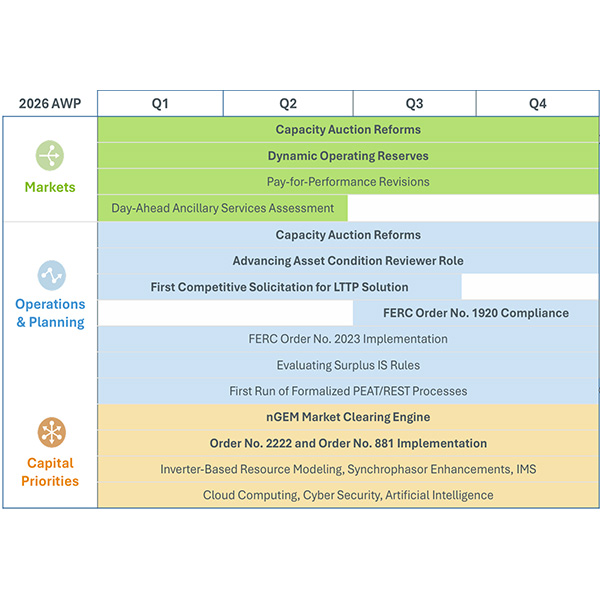
Capacity auction reforms, a new asset condition reviewer role, parallel transmission planning efforts, new reserve products, Pay-for-Performance changes and interconnection modifications are likely to be on the docket for ISO-NE in 2026.
Calpine
ISO-NE kicked off NEPOOL discussions for the second phase of its capacity auction reform project, beginning long-awaited talks on accreditation and seasonal capacity auction changes.
Want more? Advanced Search
