Electric vehicles (EVs)
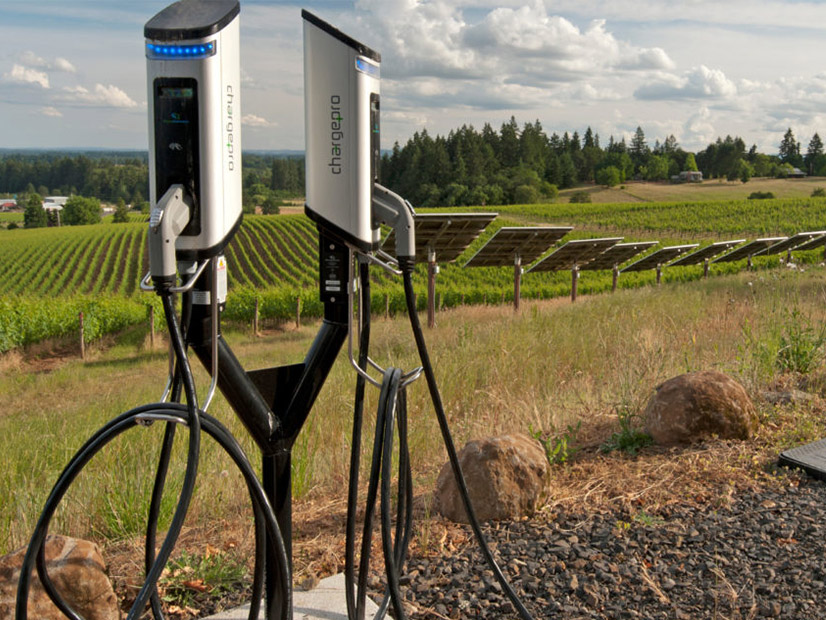
Oregon will require a 4,404% growth in public chargers to meet the demands arising from its 2035 electric vehicle targets, state study says.
An MIT professor told Mass. legislators that the state needs a policy solution for long development delays from clean energy infrastructure opposition.
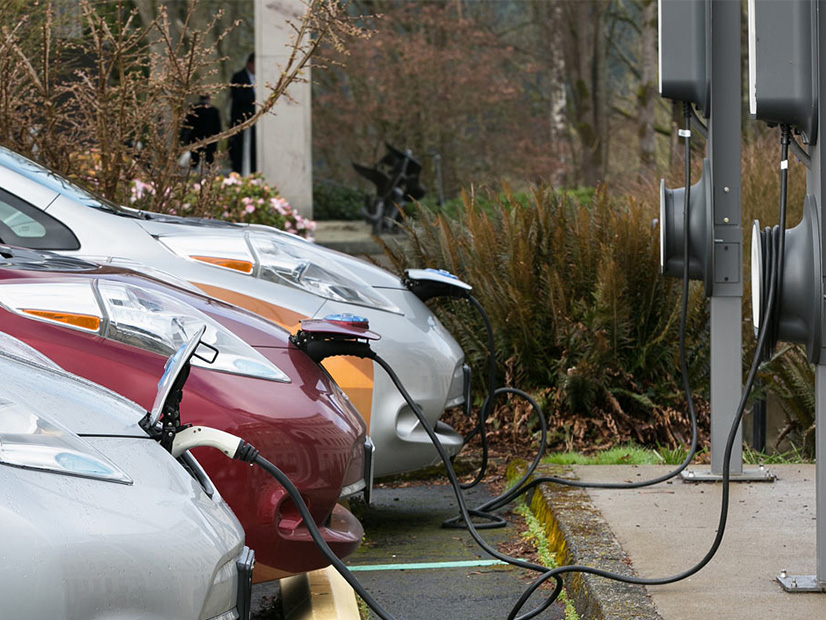
Gov. Jay Inslee vetoed a portion of a bill that would have tied Washington's EV adoption goals to a vehicle miles traveled fee.
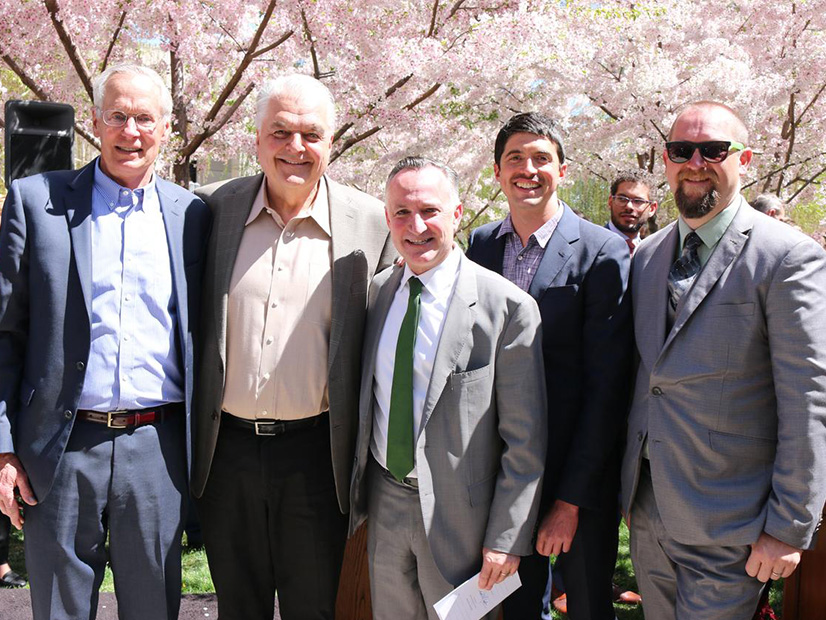
Nevada Sen. Chris Brooks introduced a wide-ranging energy bill that would expand transmission and boost availability of EV charging.
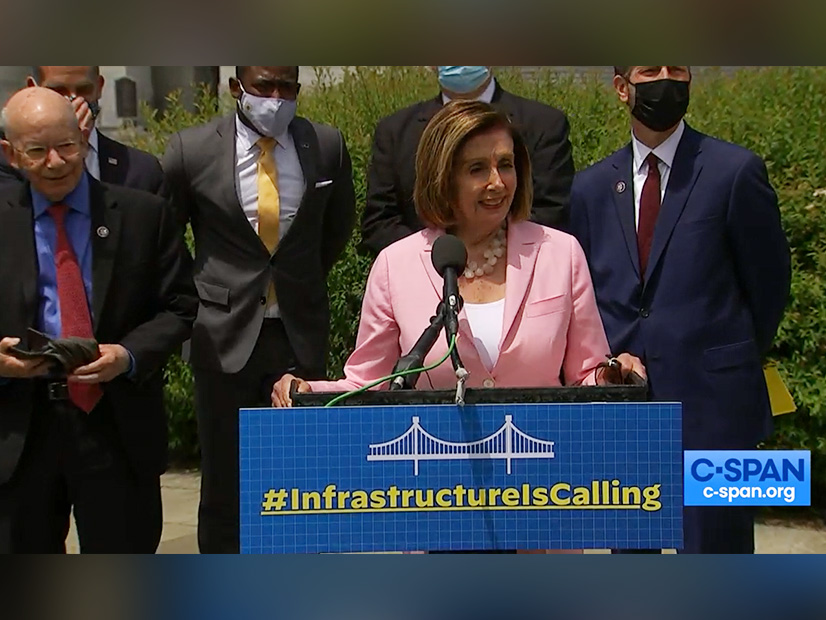
The BPC proposed a compromise $1 trillion infrastructure package that would authorize $300 billion in spending for a clean energy transition.
A bill awaiting Gov. Cuomo's signature would require new passenger cars and M/HD vehicles in New York to be zero emission by 2035 and 2045, respectively.
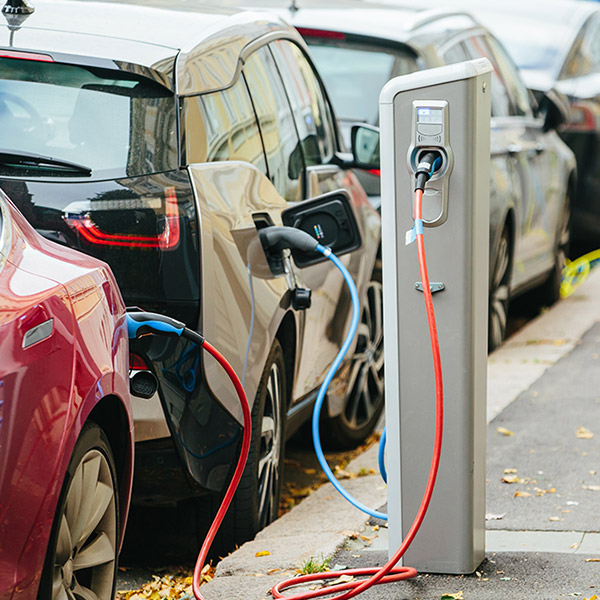
Shutterstock
N.C. Gov. Roy Cooper signed on to a letter to President Biden, urging “all new passenger cars and light-duty trucks sold are zero-emission no later than 2035.”
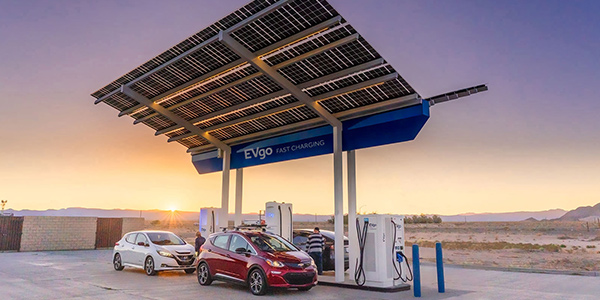
The need for uniform EV charging standards and the limits of state efforts to price carbon highlighted FERC’s technical conference on electrification.
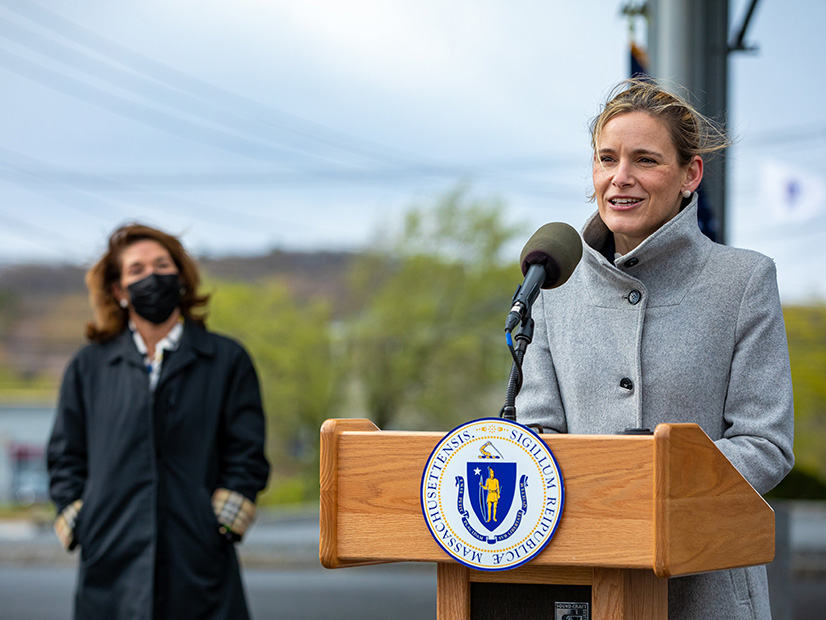
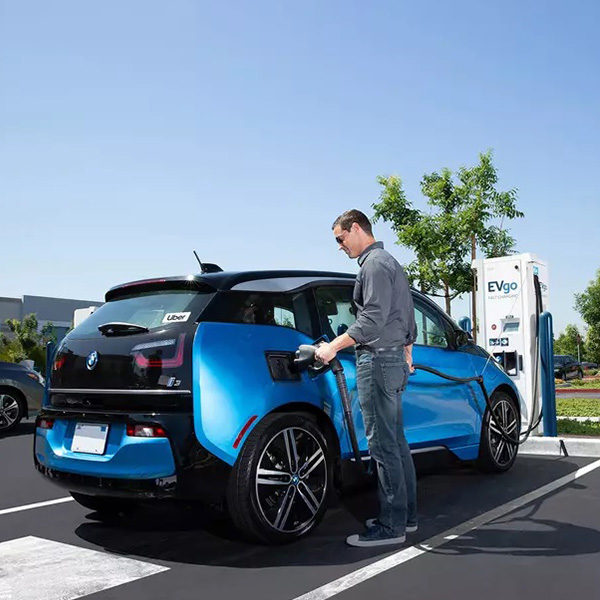
A grant program for electrifying fleets in Massachusetts will help medium- and heavy-duty fleets expand, but there are technological limits.
EVgo
A new study showed that about one in five Californians who bought a plug-in electric vehicle between 2012 and 2018 later discontinued their EV ownership.
Want more? Advanced Search