Federal Energy Regulatory Commission (FERC)
The Federal Energy Regulatory Commission is an independent agency that regulates the interstate transmission of electricity, natural gas and oil; reviews proposals to build LNG terminals and interstate natural gas pipelines; and licenses hydropower projects. FERC also oversees operations of regional wholesale electricity and natural gas markets and oversees the reliability of the bulk electric system.
ISO-NE
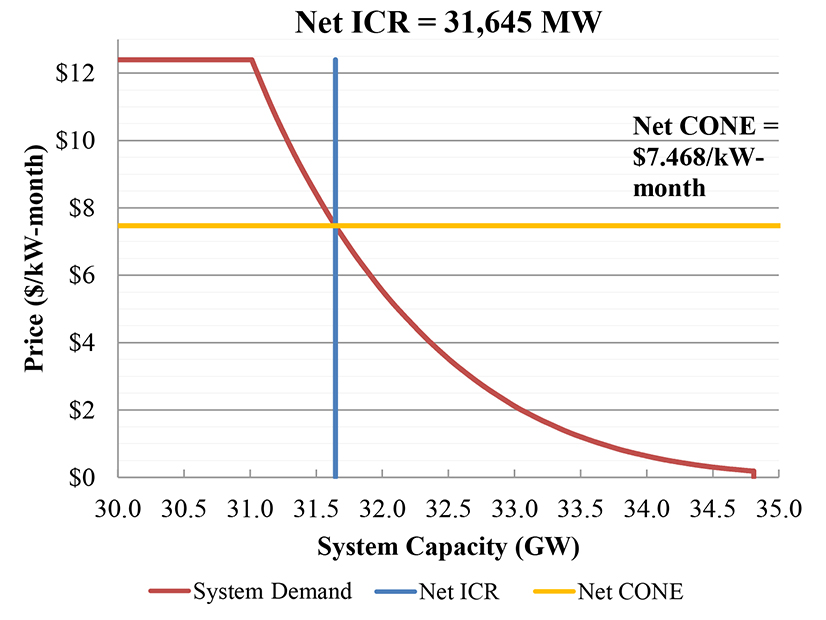
New England’s Forward Capacity Auction last month offered no big surprises, but it did hint at coming shifts in the dynamics of the region’s energy supply.
Shutterstock
In a show-cause order, FERC ordered Southern Company to either rewrite its formula rate protocols or explain why it shouldn't have to.
©RTO Insider LLC
PG&E is seeking a 23% electric rate increase in 2023-26 on top of the 19% it received this year, eliciting protests from customers and ratepayer advocates.
MISO
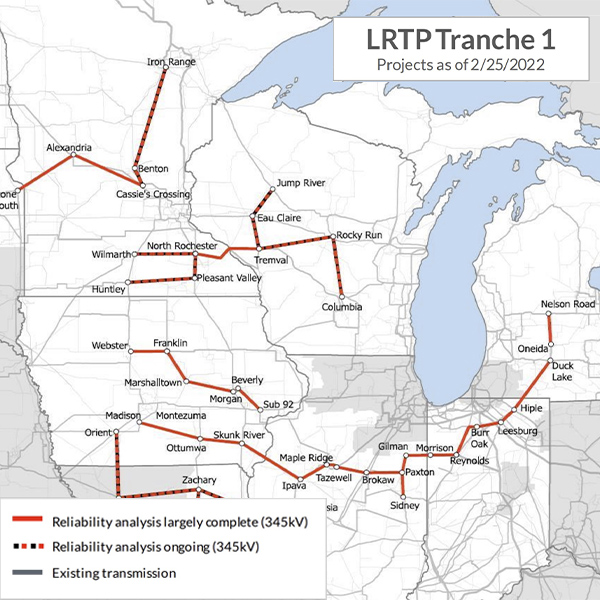
MISO has again pushed back the date it will recommend $13 billion dollars’ worth of long-range transmission projects to its board of directors.
ISO-NE
ISO-NE updated NEPOOL on its proposal to change the interconnection jurisdiction for DERs and compliance with FERC Order 881.
©RTO Insider LLC
The D.C. Circuit Court sided with FERC over its finding that ISO-NE complied with Order 1000’s provisions on competitive bidding for transmission projects.
NYISO
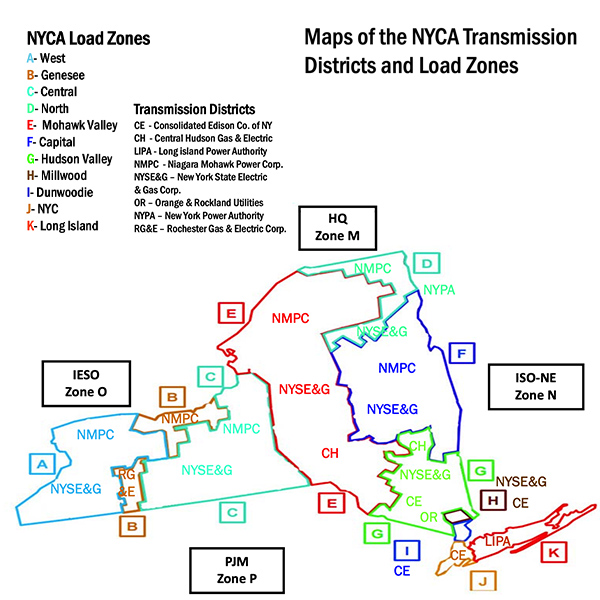
NYISO submitted a compliance filing to establish a proposed date for enhancements to its BSM rules and requested an extension to submit tariff changes.
© RTO Insider LLC
FERC upheld its finding that CAISO’s temporary wheel-through restrictions do not violate open-access principles and approved a two-year extension of them.
U.S. Forest Service
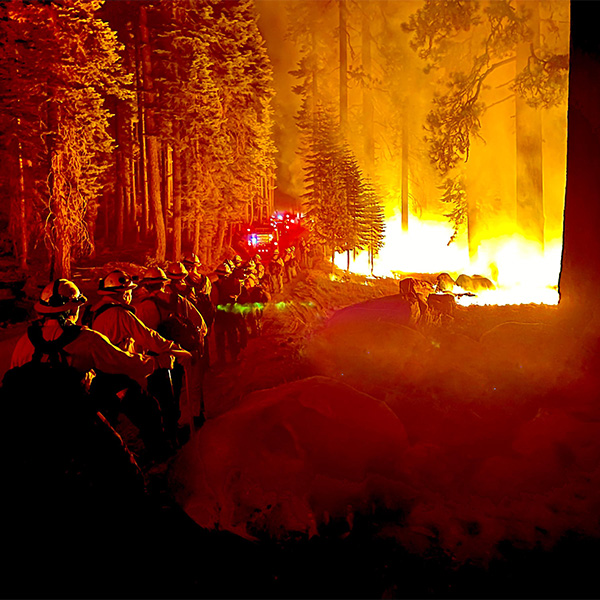
FERC rebuffed a request by PG&E for a 13% return on equity based on its financial risks from wildfires and the state's aggressive decarbonization efforts.
© RTO Insider LLC
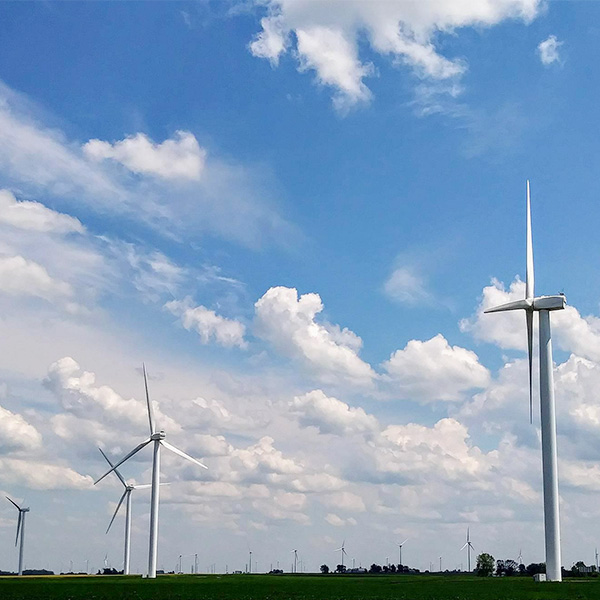
MISO is seeking final stakeholder opinions before it makes an April filing to comply with FERC’s directive that RTOs open wholesale markets to DER aggregations.
Want more? Advanced Search