Federal Energy Regulatory Commission (FERC)
The Federal Energy Regulatory Commission is an independent agency that regulates the interstate transmission of electricity, natural gas and oil; reviews proposals to build LNG terminals and interstate natural gas pipelines; and licenses hydropower projects. FERC also oversees operations of regional wholesale electricity and natural gas markets and oversees the reliability of the bulk electric system.
© RTO Insider LLC
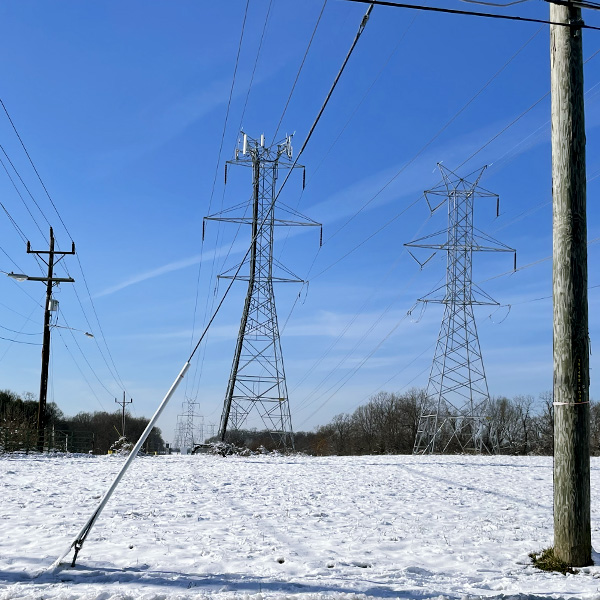
FERC issued two deficiency letters to MISO over the grid operator’s plans to institute a four-season capacity market and a minimum capacity rule.
© RTO Insider LLC
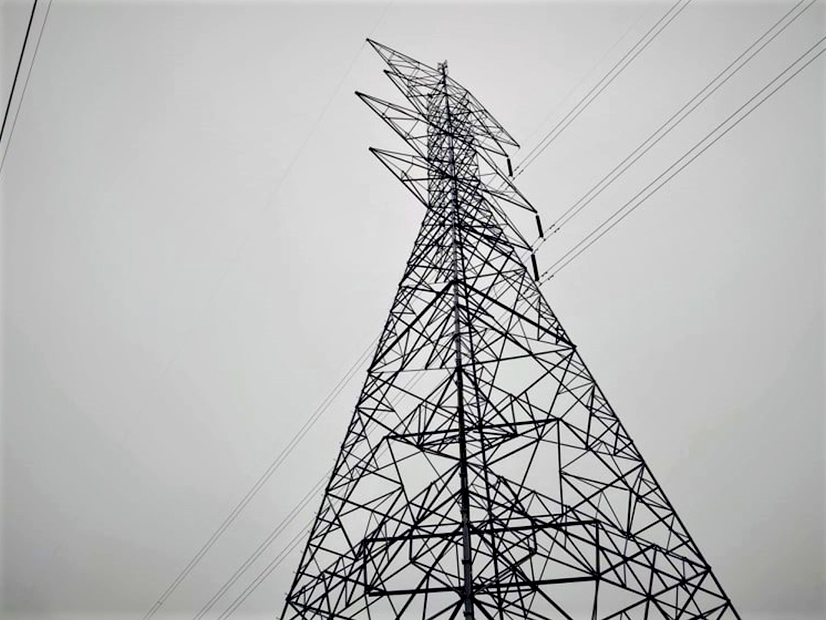
MISO’s subregional cost allocation plan for its long-range transmission projects found both devotees and critics at FERC this week.
NRC
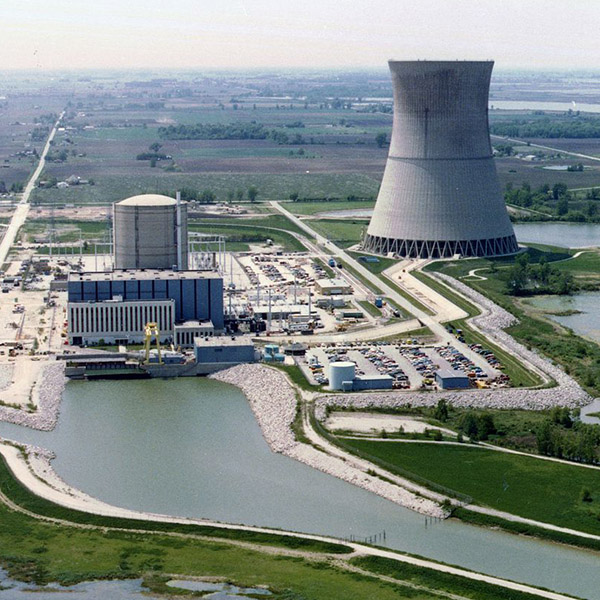
The Nuclear Regulatory Commission cited the Davis-Besse nuclear plant in Ohio for improper maintenance of its very large emergency diesel generators.
© RTO Insider LLC
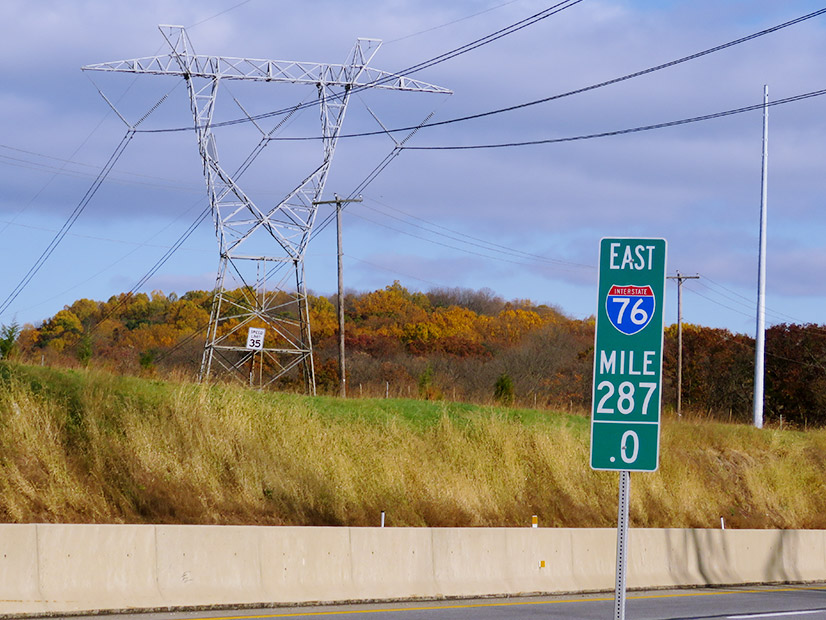
The D.C. Circuit Court of Appeals denied petitions for review of a settlement that allocated transmission costs in PJM.
Pattern Energy
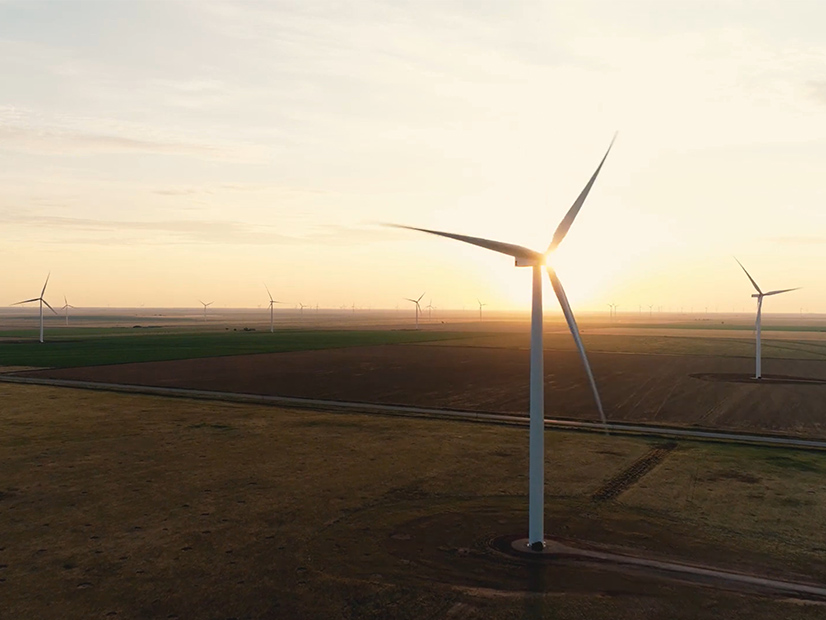
MISO plans to alter some interconnection rules so that generation owners can more easily replace generation at the same point of interconnection.
© RTO Insider LLC
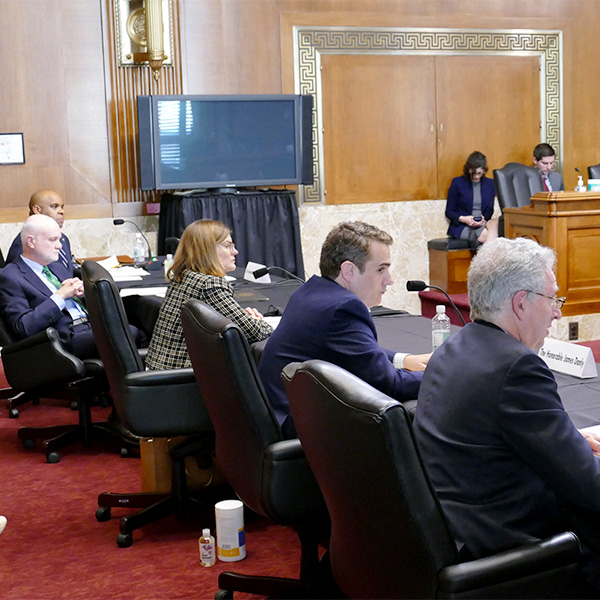
FERC Chair Richard Glick defended the natural gas policy statements a split commission issued last month, rejecting criticism that it overstepped its authority.
© RTO Insider LLC
A month after filing a cost allocation method for its long-range projects, MISO is on the hunt for a better approach to fund major transmission builds.
Electricities of North Carolina
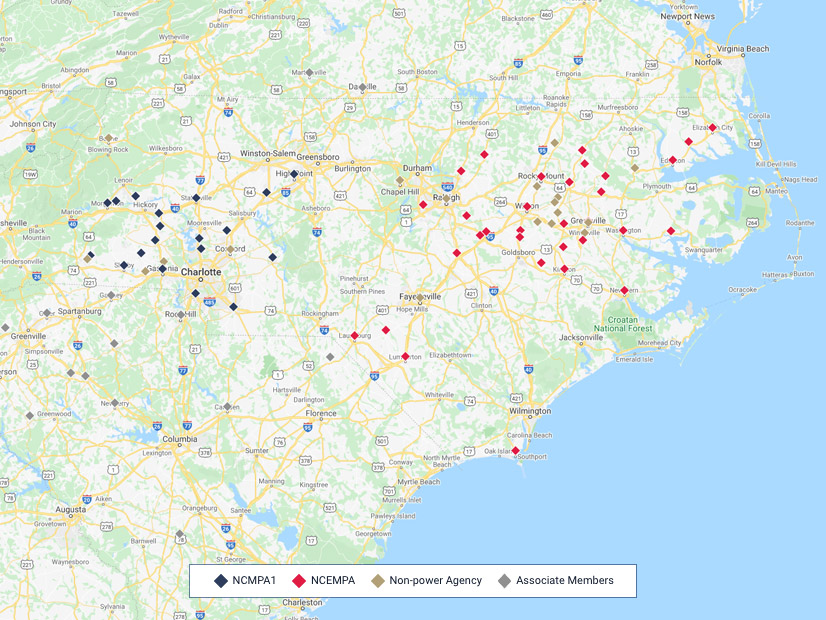
FERC conditionally approved changes to Duke's contract with municipal utilities in N.C. but ordered negotiations over how demand charges are calculated.
Analysis Group
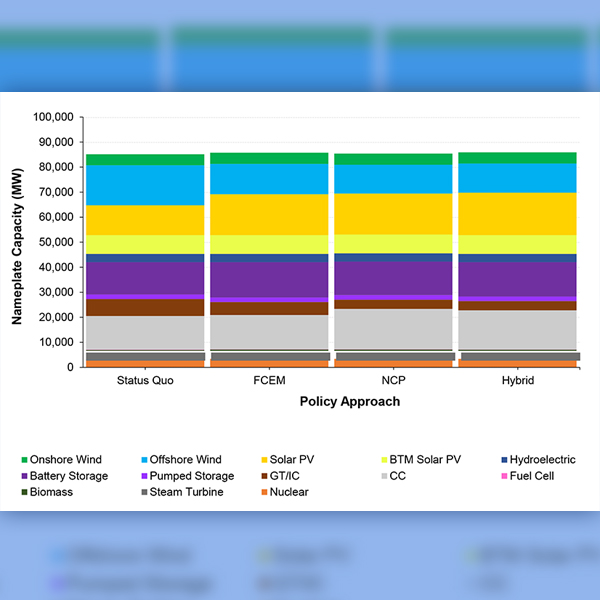
A draft study evaluating ways to decarbonize New England’s power sector finds multiple advantages for carbon pricing, but also significant tradeoffs.
Shutterstock
FERC rejected PJM’s proposal to modify the FTR rights credit requirement and opened a show-cause proceeding to examine the existing requirement.
Want more? Advanced Search