Federal Energy Regulatory Commission (FERC)
The Federal Energy Regulatory Commission is an independent agency that regulates the interstate transmission of electricity, natural gas and oil; reviews proposals to build LNG terminals and interstate natural gas pipelines; and licenses hydropower projects. FERC also oversees operations of regional wholesale electricity and natural gas markets and oversees the reliability of the bulk electric system.
NYISO
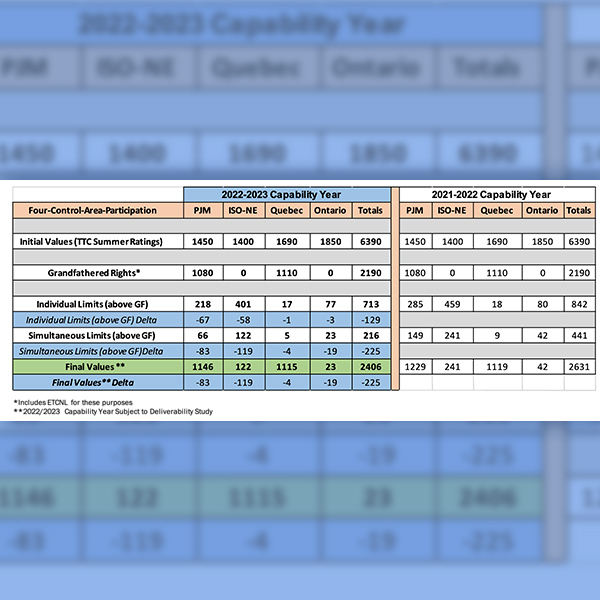
The NYISO BIC approved capacity import limits for 2022/23 and discussed FERC's deficiency letter regarding the ISO's comprehensive mitigation review filing.
Consumers Energy
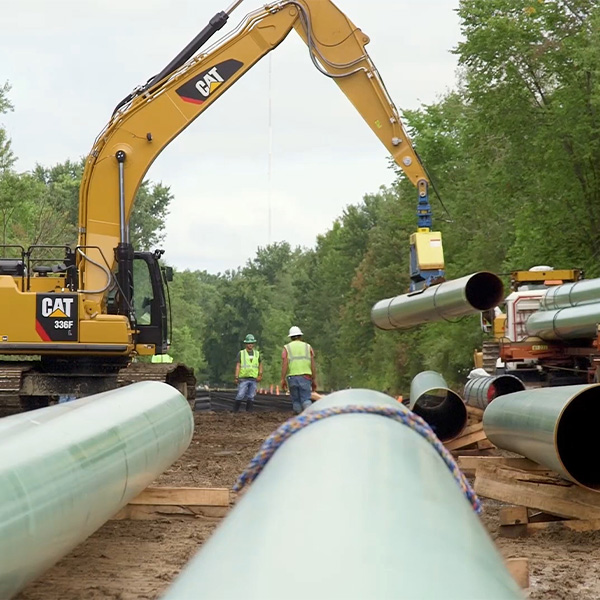
FERC voted 3-2 to update its policy on natural gas infrastructure certificates and outlined how it will evaluate the impacts of projects’ GHG emissions.
The Brattle Group
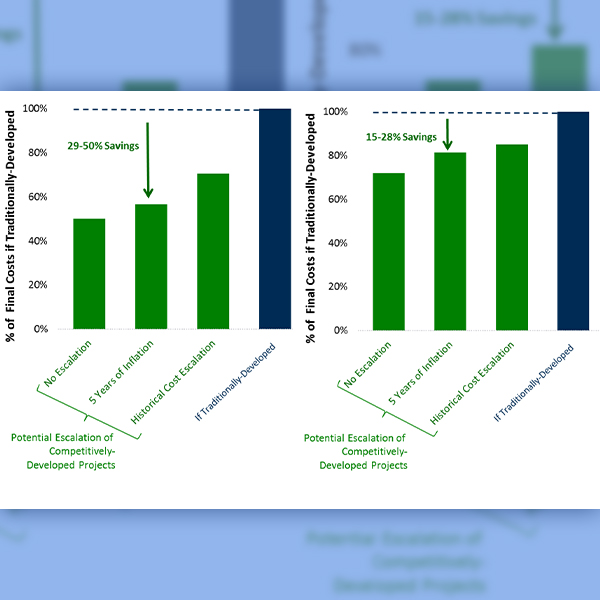
The Midwest has become ground zero for the future of transmission policy because of incumbent TOs' stifling control, R Street Institute's Devin Hartman says.
NARUC
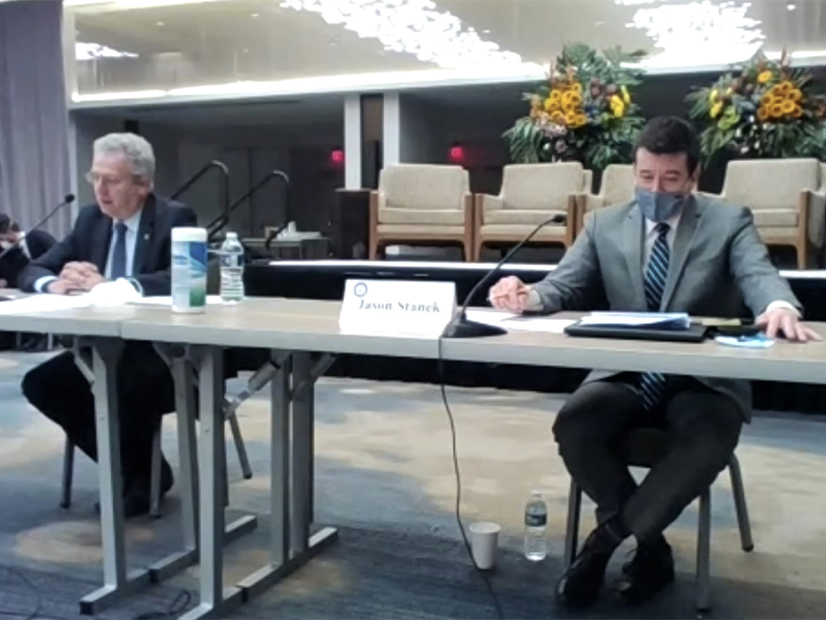
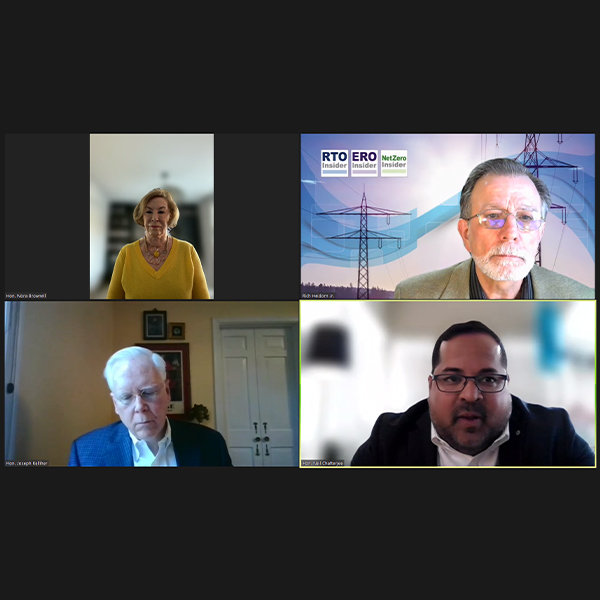
A second meeting of FERC and state regulators trying to spur transmission buildout exposed differences over expanding the definition of transmission benefits.
EBA
FERC has undertaken an ambitious agenda for this year that will face numerous headwinds from administrative challenges, not least of which remains the pandemic.
Advanced Solar Products
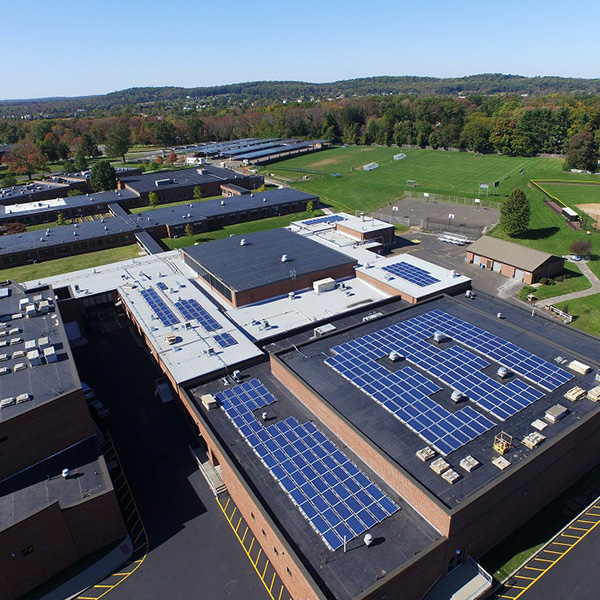
Stakeholders strongly endorsed PJM's proposal on transitioning into a new interconnection process at last week’s Planning Committee meeting.
PJM
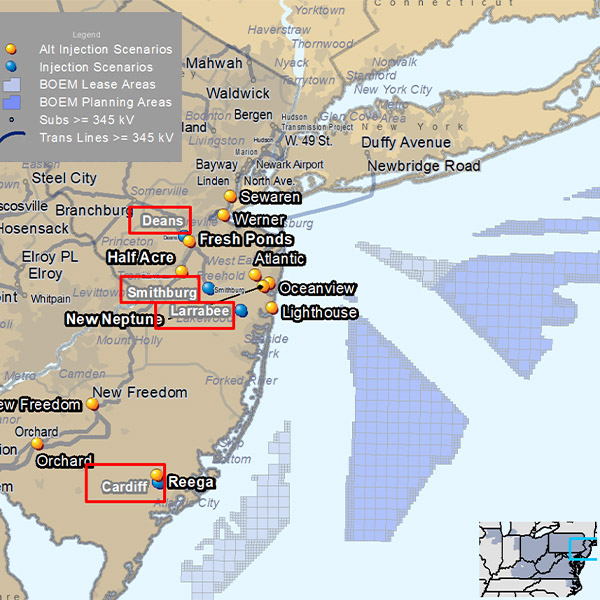
PJM will present stakeholders with study results that seek to explain potential upgrade requirements stemming from the RTO’s generator deliverability proposal.
PJM
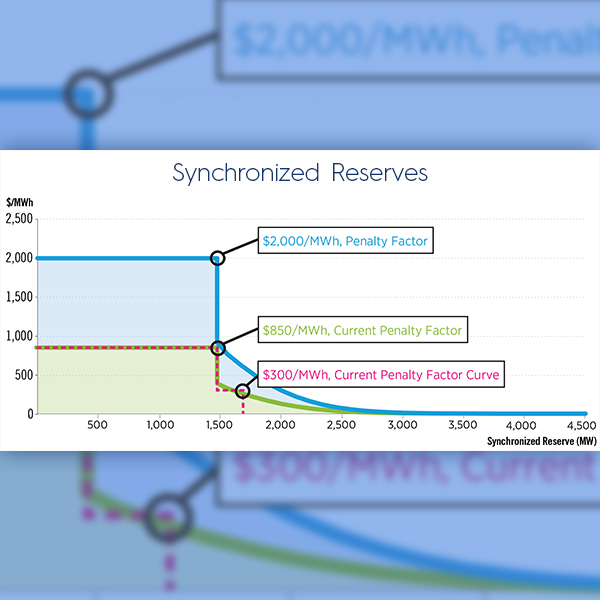
FERC clarified that its order on remand partially reversing PJM’s proposed energy price formation revisions did not remove the RTO’s reserve price caps.
NARUC
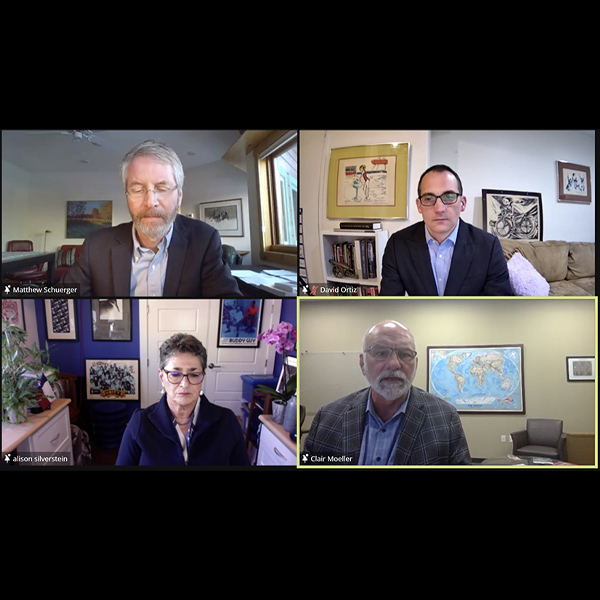
A year after Winter Storm Uri, panelists at the NARUC Winter Policy Summit talked about how to prevent climate change from setting off future mass blackouts.
NTE Energy
It could be another month before stakeholders and the public in New England find out the results of ISO-NE’s capacity auction from last week.
Want more? Advanced Search