Federal Energy Regulatory Commission (FERC)
The Federal Energy Regulatory Commission is an independent agency that regulates the interstate transmission of electricity, natural gas and oil; reviews proposals to build LNG terminals and interstate natural gas pipelines; and licenses hydropower projects. FERC also oversees operations of regional wholesale electricity and natural gas markets and oversees the reliability of the bulk electric system.
FERC accepted PJM Transmission Owners’ Tariff amendments governing end-of-life projects, a proposal that was hotly contested by stakeholders.
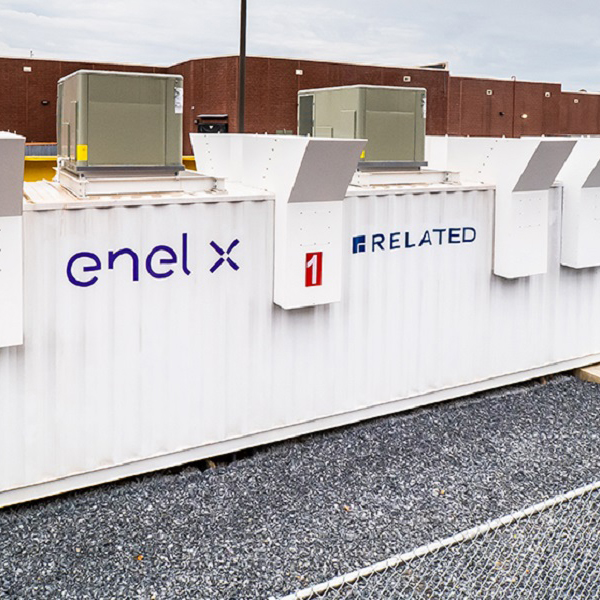
MISO’s first rule set for storage resources functioning as transmission assets passed muster with FERC, though James Danly opposed the plan.
Development of new high-voltage transmission lines could provide benefits for the U.S. electricity system, FERC said in a recent report.

FERC Commissioner Bernard McNamee announced he will leave the commission on Sept. 4, after President Trump nominated a replacement.
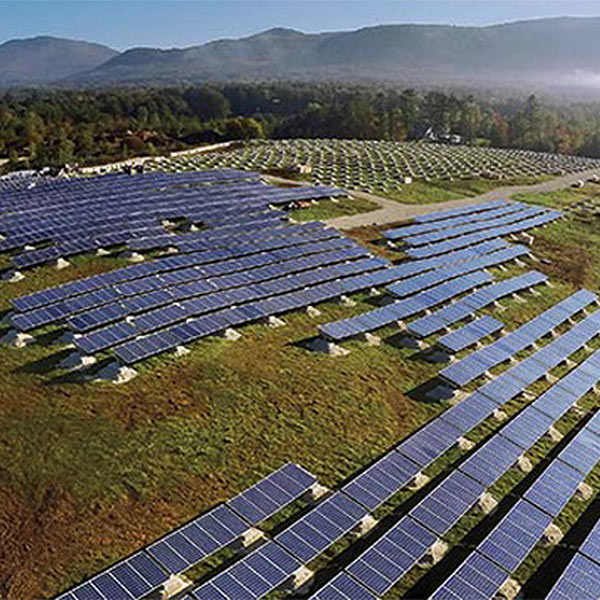
FERC on Tuesday accepted most provisions in ISO-NE’s second compliance filing for Order 841.
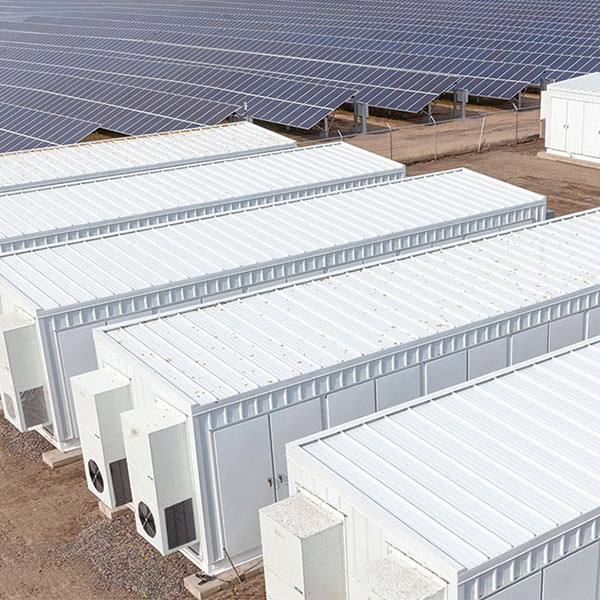
FERC asked MISO to remove or defend its requirement that distribution utilities and load-serving entities report real-time grid injections and withdrawals to be compliant with Order 841.
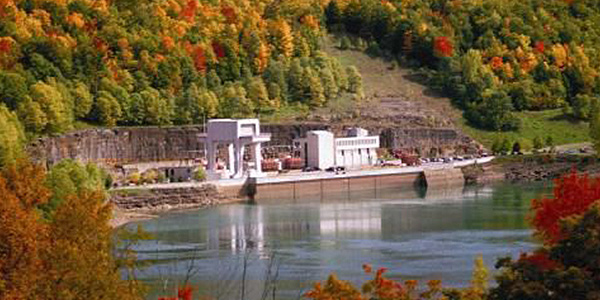
FERC accepted NYISO’s second attempt to comply with Order 841, which requires RTOs and ISOs to remove market barriers for energy storage resources.
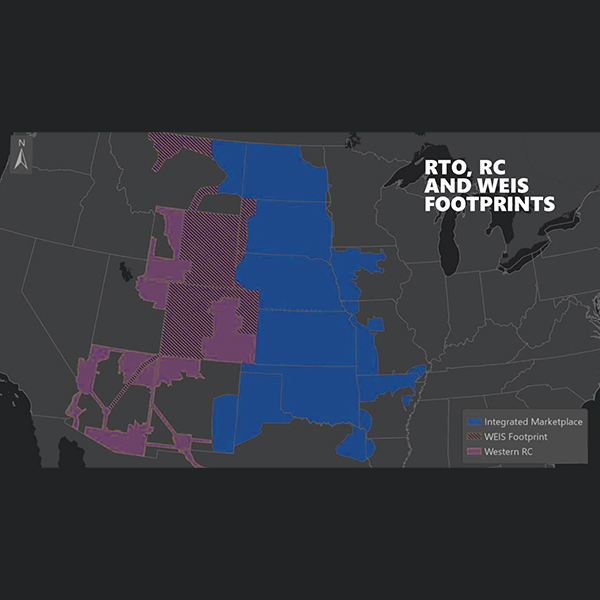
FERC said SPP's proposed Tariff for its Western Energy Imbalance Service market fails to respect transmission rights of non-participants.
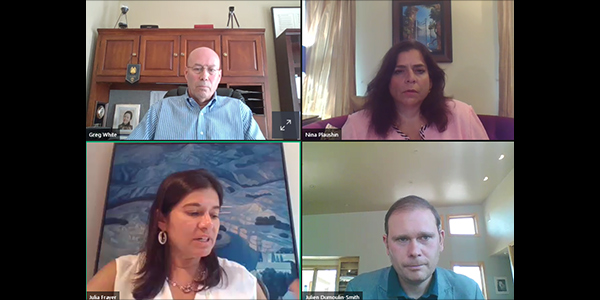
Panelists during WIRES’ virtual Summer Meeting discussed the impact of the pandemic on transmission rate structures, Order 1000 and FERC's incentives NOPR.
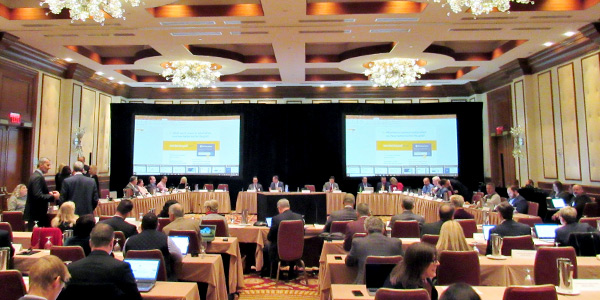
MISO won FERC approval to create an 11th stakeholder sector for hard-to-categorize members despite some misgivings about the equity of the new arrangement.
Want more? Advanced Search