Federal Energy Regulatory Commission (FERC)
The Federal Energy Regulatory Commission is an independent agency that regulates the interstate transmission of electricity, natural gas and oil; reviews proposals to build LNG terminals and interstate natural gas pipelines; and licenses hydropower projects. FERC also oversees operations of regional wholesale electricity and natural gas markets and oversees the reliability of the bulk electric system.
Google Maps
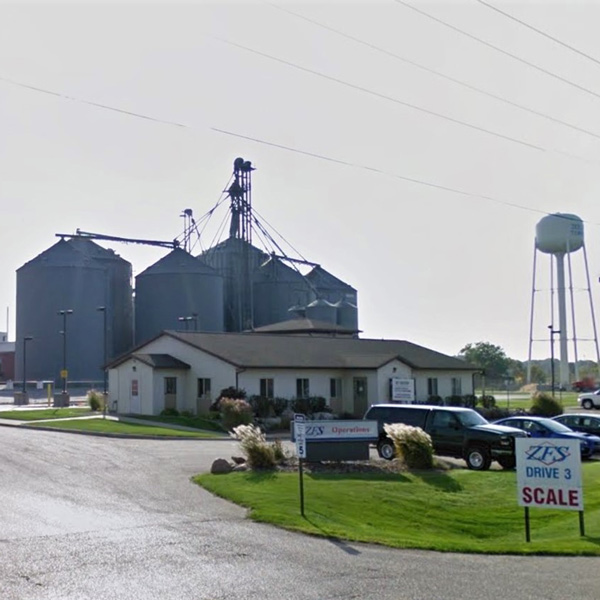
FERC ruled that a Michigan soybean farm operating two small biomass plants is not excused from a requirement to file as a qualifying facility (QF) under PURPA, but reduced the consequences for its failure to do so.
© RTO Insider
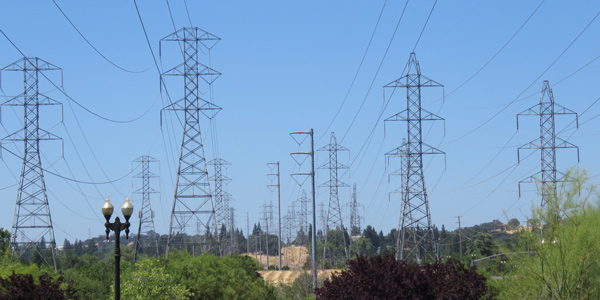
FERC rejected the EEI’s request for rehearing of its order on handling of Critical Energy Infrastructure Information but offered clarification on several points.
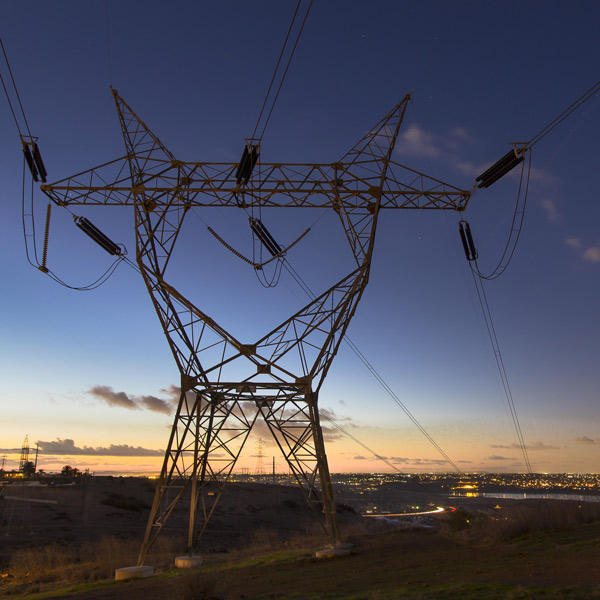
FERC rejected a request for rehearing by several Pacific Gas and Electric transmission customers.
NASA
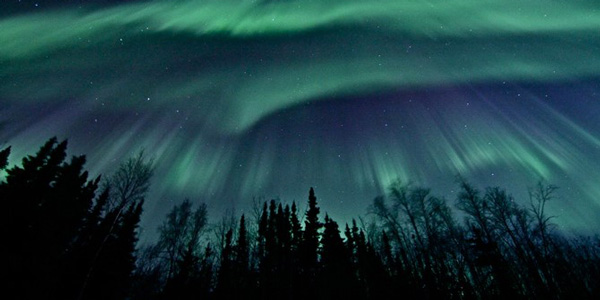
FERC proposed to approve a revised reliability standard on geomagnetic disturbances but directed NERC to also require mitigation of vulnerabilities to localized events.
NOAA
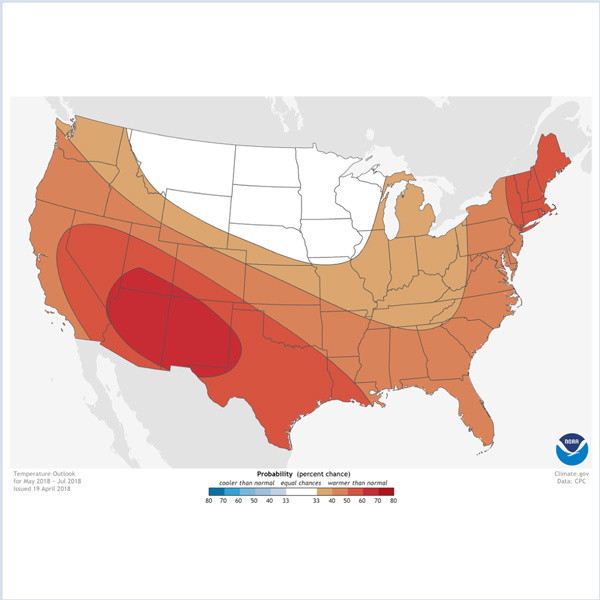
FERC will be closely monitoring ERCOT and Southern California this summer as most of the country faces the likelihood of above-normal temperatures.
Occidental Chemical
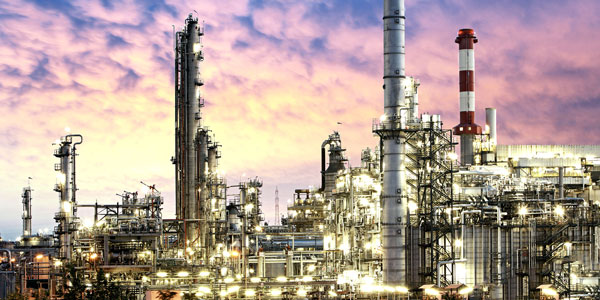
FERC will review how it enforces the 1978 Public Utility Regulatory Policies Act (PURPA), with the commission’s treatment of the 1-mile rule a likely focus.
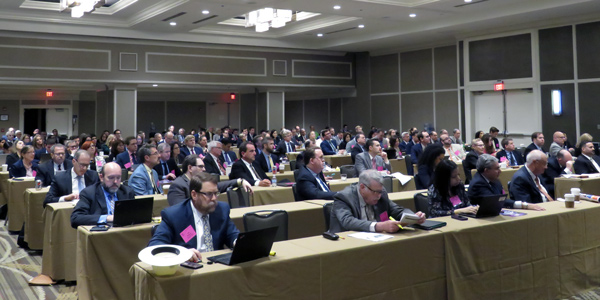
More than 400 attorneys and other energy professionals attended the Energy Bar Association's annual meeting.

The Energy Bar Association closed its annual meeting with an entertaining panel discussion with five former FERC chairs.

It’s been 10 years since FERC revised its enforcement policy guidelines, and two former commission attorneys think it might be time for a check-up.

As FERC considers changes in its merger policy, panelists at the Energy Bar Association (EBA) discussed the pros and cons of adding tests to determine market power.
Want more? Advanced Search