Federal Energy Regulatory Commission (FERC)
The Federal Energy Regulatory Commission is an independent agency that regulates the interstate transmission of electricity, natural gas and oil; reviews proposals to build LNG terminals and interstate natural gas pipelines; and licenses hydropower projects. FERC also oversees operations of regional wholesale electricity and natural gas markets and oversees the reliability of the bulk electric system.

EDP Renewables
FERC ordered new rules to increase the transparency and timeliness of the generator interconnection process.
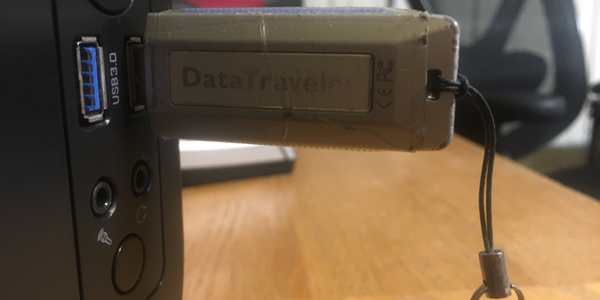
FERC approved rules to prevent malware from infecting “low impact” computer systems through devices such as laptops and thumb drives.
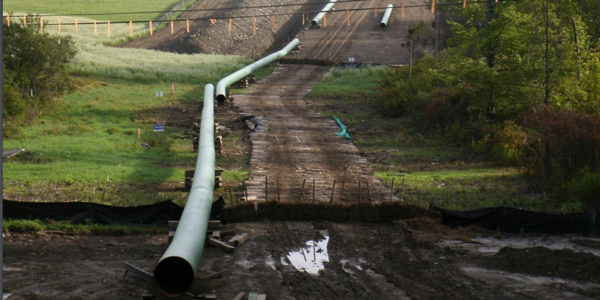
National Fuel Gas
FERC will open a 60-day comment period on potential changes to its policy statement on the permitting of natural gas pipelines.
FERC approved PJM’s proposed rules for implementing restrictions imposed on energy efficiency resources by state or local regulators.
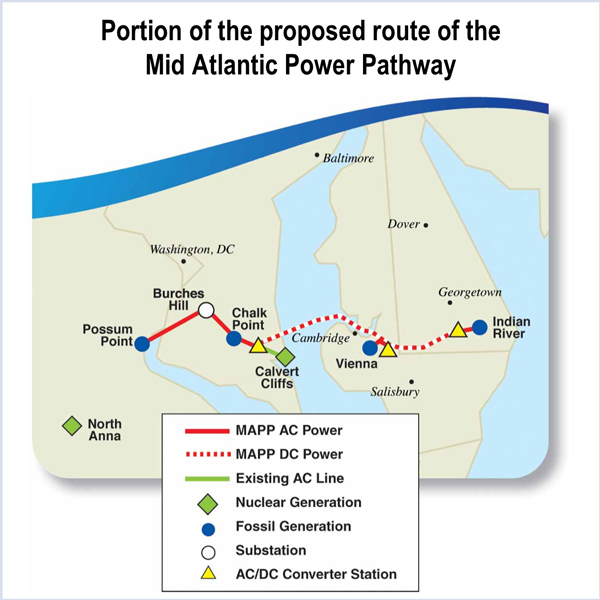
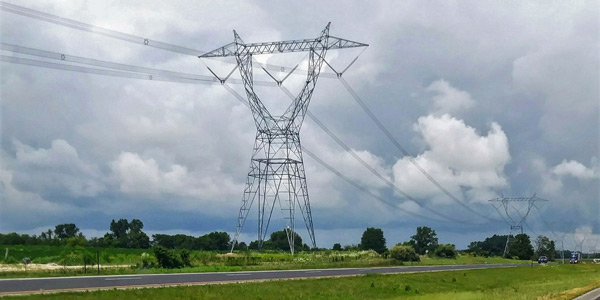
FERC has approved a settlement between PJM, Exelon and the Illinois Commerce Commission over abandonment costs for the canceled MAPP transmission project.
© RTO Insider
FERC approved the MISO proposed cost recovery schedules for its new category of smaller interregional transmission projects with PJM.
© RTO Insider
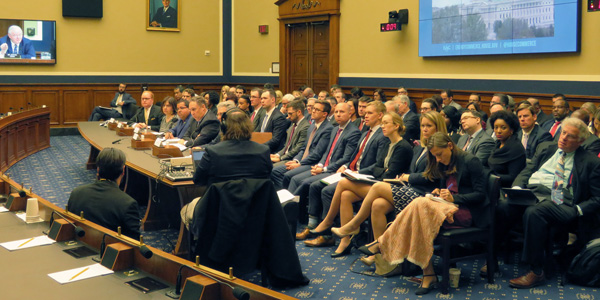
Congress will be watching FERC’s review of its policy on licensing natural gas pipelines very closely. Any changes FERC makes are unlikely to please all members, however.

Xcel Energy
The U.S. Justice Department said that a Minnesota law granting in-state transmission owners rights of first refusal on grid additions is unconstitutional.
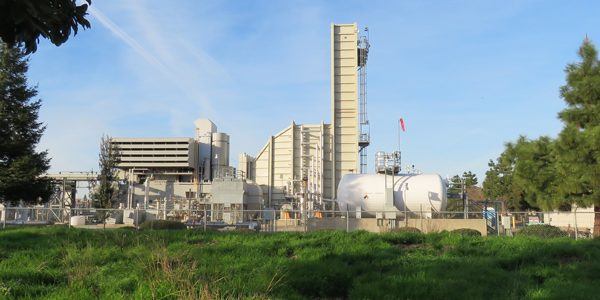
FERC rejected the proposed CAISO Capacity Procurement Mechanism Risk-of-Retirement (CPM ROR) program.
DC-Circuit
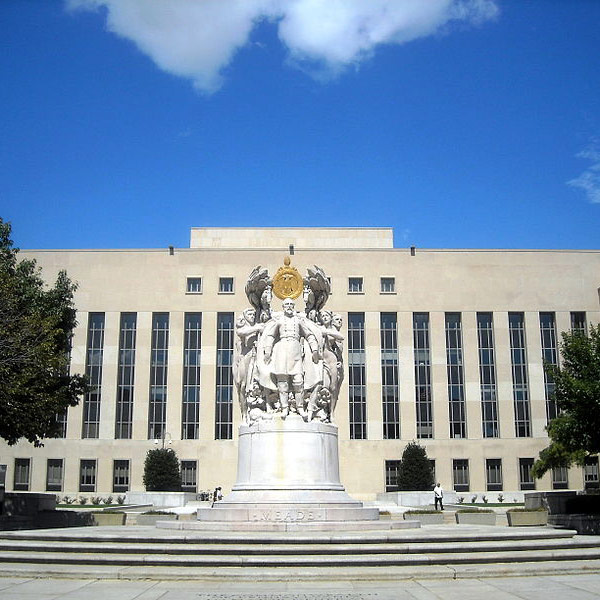
A three-judge panel of the D.C. Circuit Court of Appeals questioned FERC over its approval of ISO-NE’s renewable exemption from the MOPR.
Want more? Advanced Search