Federal Energy Regulatory Commission (FERC)
The Federal Energy Regulatory Commission is an independent agency that regulates the interstate transmission of electricity, natural gas and oil; reviews proposals to build LNG terminals and interstate natural gas pipelines; and licenses hydropower projects. FERC also oversees operations of regional wholesale electricity and natural gas markets and oversees the reliability of the bulk electric system.
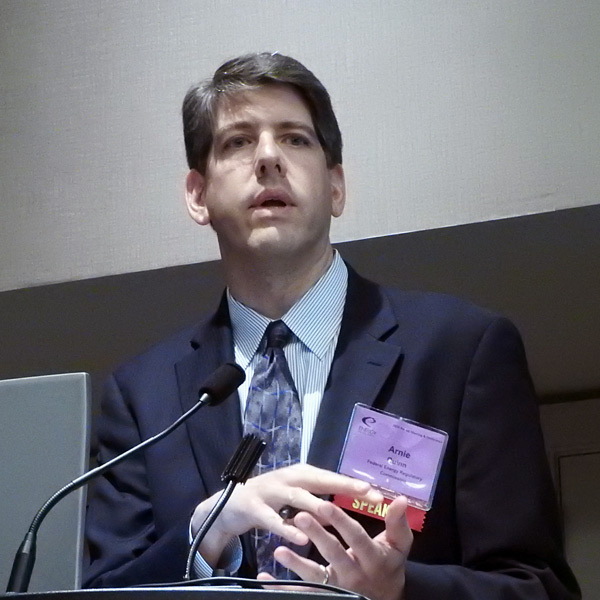
Panelists discussed improving the transmission interconnection process at the Energy Bar Association’s Annual Meeting.
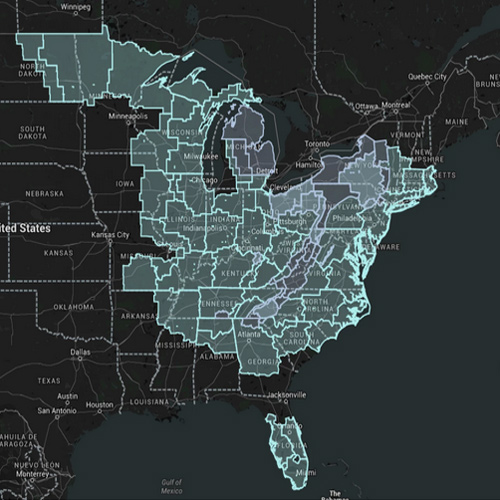
Capacity Performance units no longer would be compensated for participating in cold weather testing under a plan by the PJM Operating Committee.
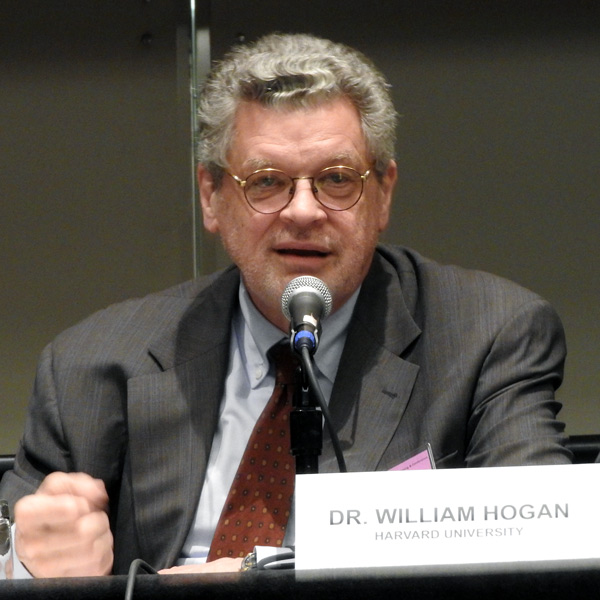
Four Ph.Ds. joined in a tag-team debate on the virtues of scarcity pricing versus capacity markets in a panel discussion cum economics seminar at the Energy Bar Association’s Annual Meeting.
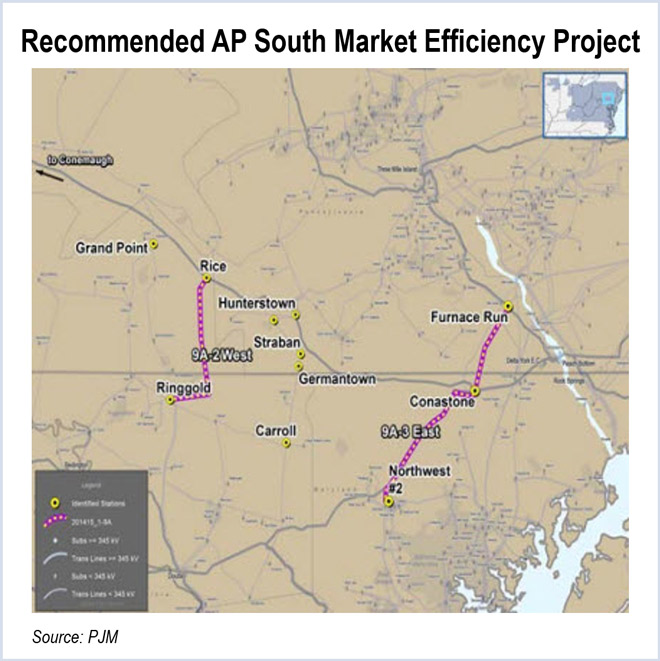
A summary of issues discussed and measures approved by the PJM Planning Committee and Transmission Expansion Advisory Committee on June 9, 2016.
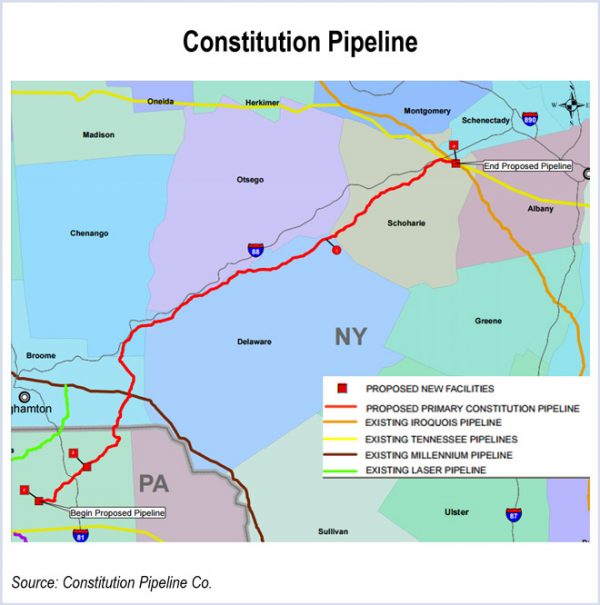
Constitution Pipeline denied allegations made by the New York attorney general that it encouraged illegal tree cutting by landowners in defiance of a FERC prohibition.
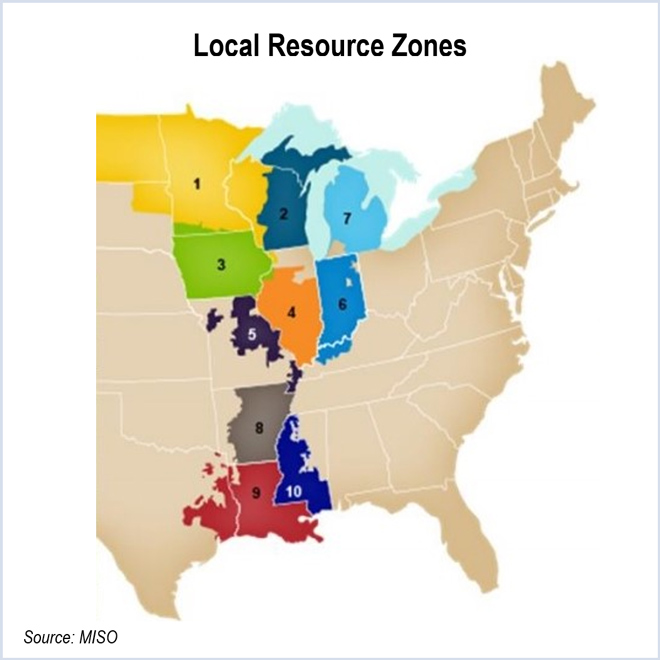
MISO will not yield on a planned July filing for capacity auction design changes, while a filing to add seasonal and locational constructs will be delayed.
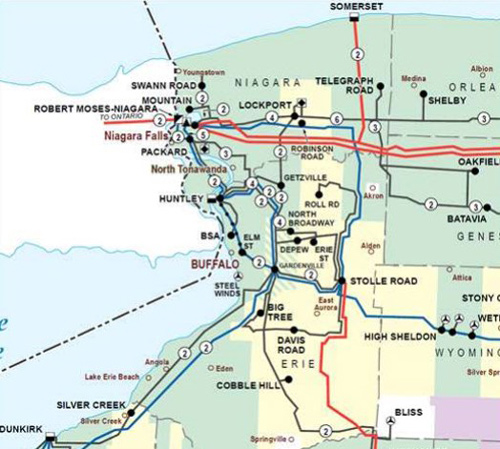
NYISO has identified 10 proposed transmission projects as finalists to relieve congestion in western New York.
Joe Bowring and David Patton often disagree, but they are 100% in agreement on the need for independence in market monitoring.
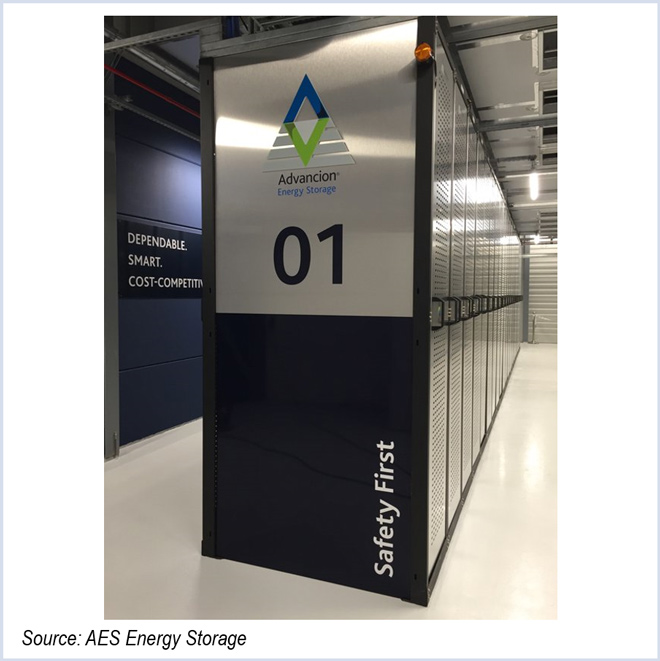
FERC approved a generator interconnection agreement for Indianapolis Power & Light’s Harding Street Station Battery Energy Storage System.
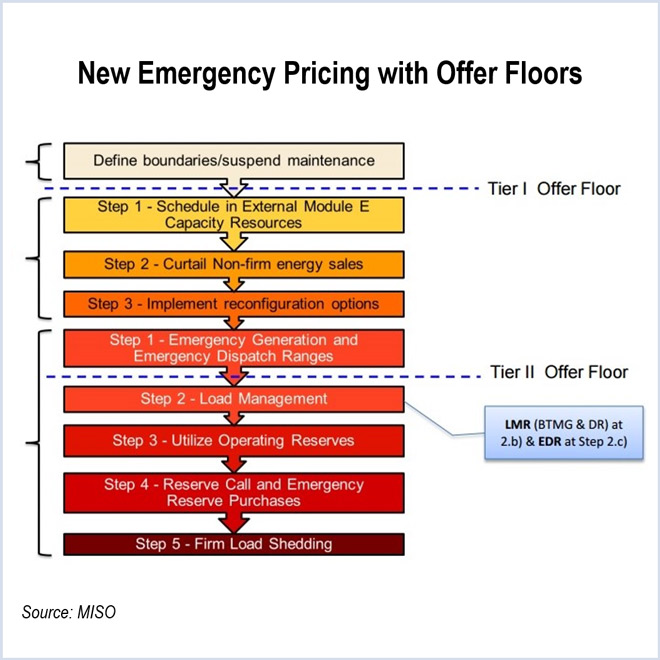
At the Market Subcommittee, MISO announced that next month they'll implement two new offer floors for emergency pricing to alleviate “price depression.”
Want more? Advanced Search