Federal Energy Regulatory Commission (FERC)
The Federal Energy Regulatory Commission is an independent agency that regulates the interstate transmission of electricity, natural gas and oil; reviews proposals to build LNG terminals and interstate natural gas pipelines; and licenses hydropower projects. FERC also oversees operations of regional wholesale electricity and natural gas markets and oversees the reliability of the bulk electric system.
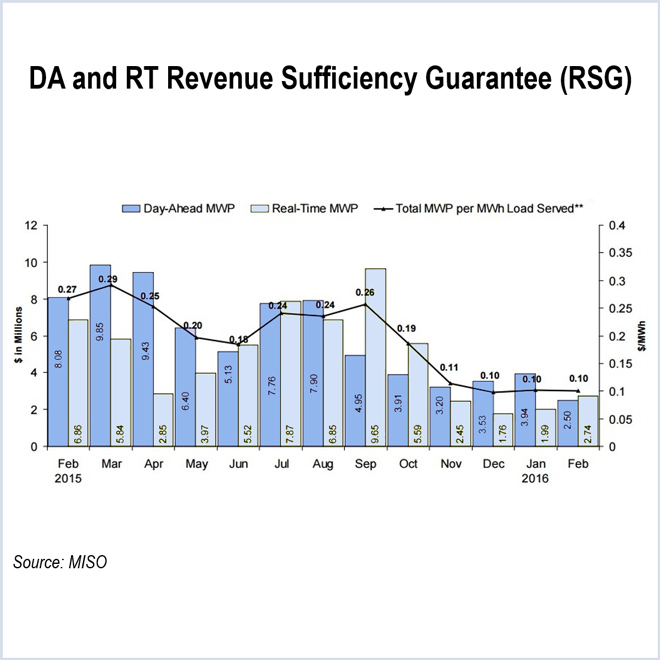
FERC cleared a backlog of disputes over MISO’s revenue sufficiency guarantee (RSG), issuing a quartet of orders in dockets dating back to 2009.
FERC denied five requests for changes in PJM’s treatment of demand response, rebuffing filings by the Market Monitor, DR providers, industrial customers and PSEG.
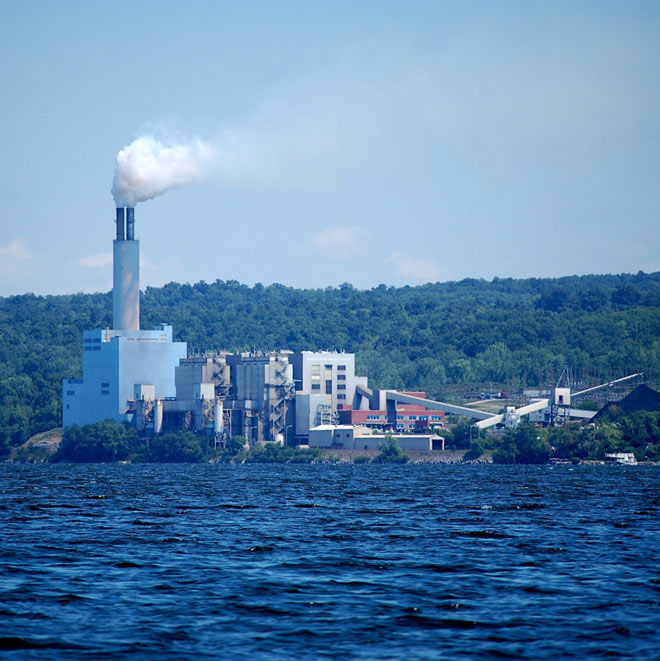
FERC told NYISO that proposed changes to its rules for reliability-must-run generators were inconsistent with Order 1000 and improperly delegated authority.
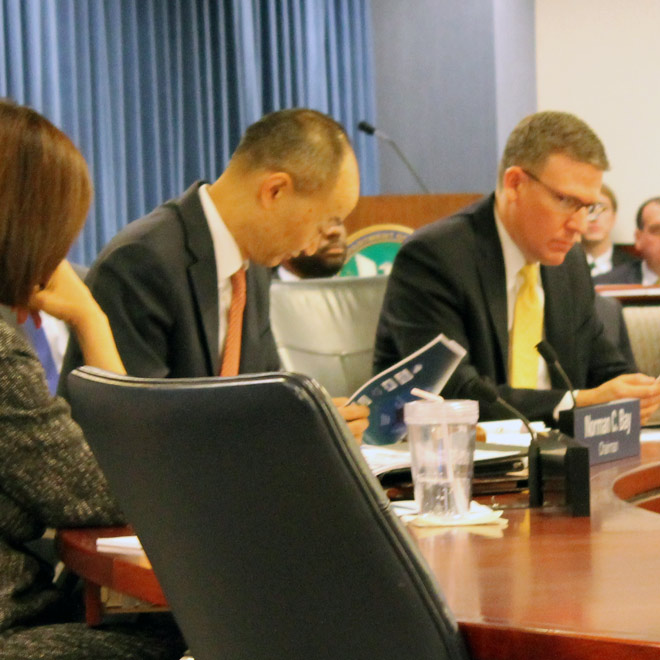
FERC commissioners received briefings from staff about energy storage in RTOs and from the National Labs about grid modernization.
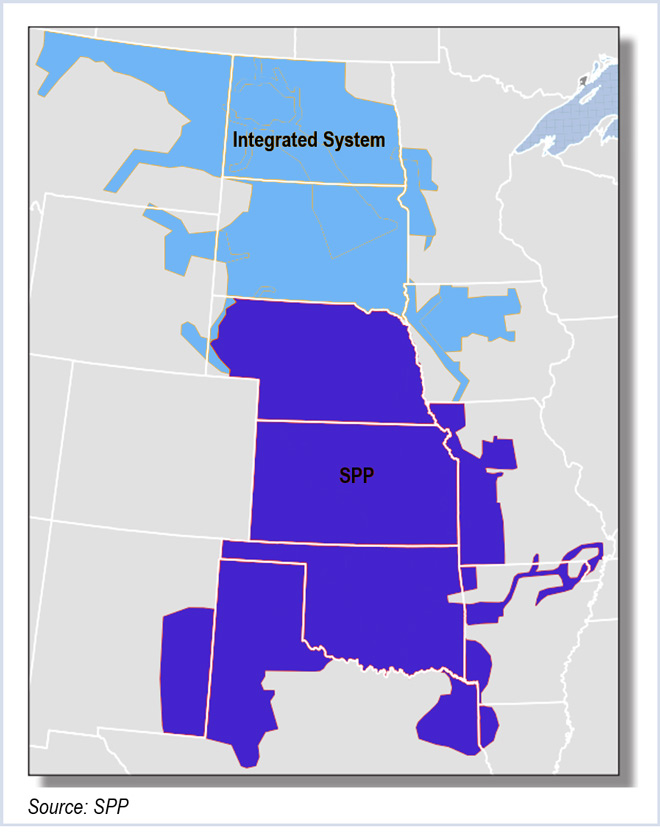
FERC accepted revisions to SPP’s joint operating agreement with Western Area Power Administration-Upper Great Plains Region.
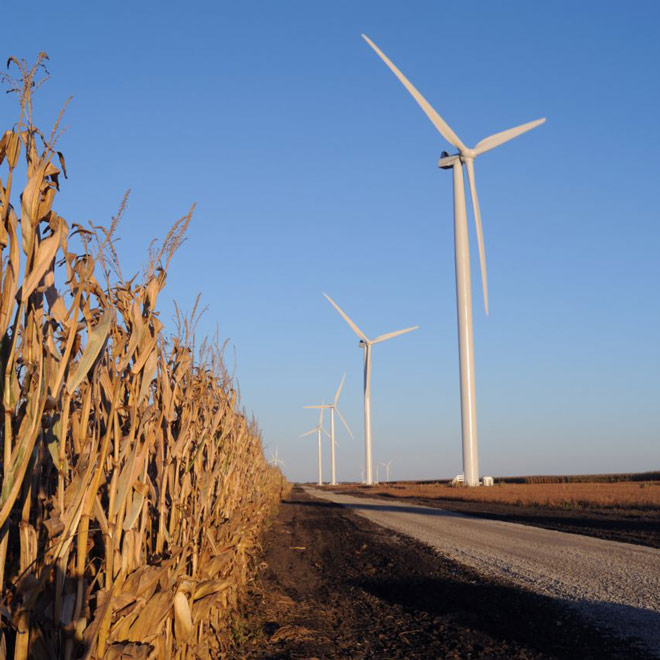
FERC approved an uncontested partial settlement between NIPSCO and the owners of seven Indiana wind farms.
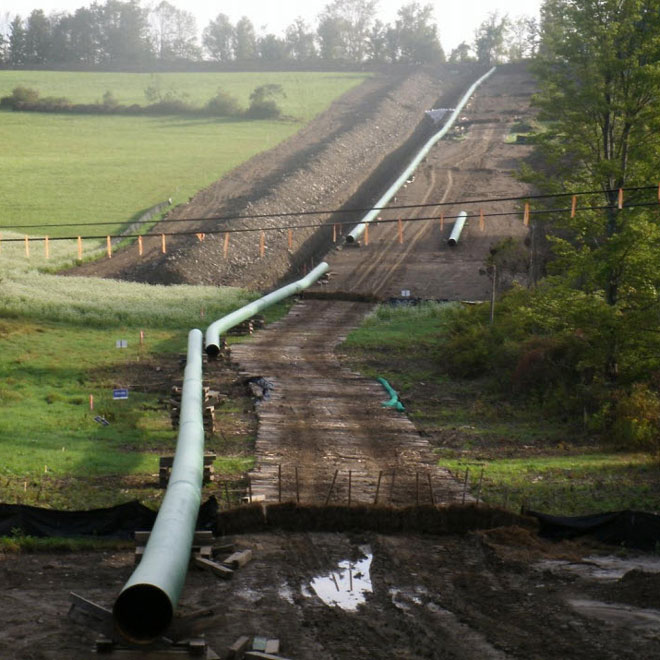
FERC will convene a technical conference to consider a proposal by New England officials that electric utilities purchase natural gas pipeline capacity.
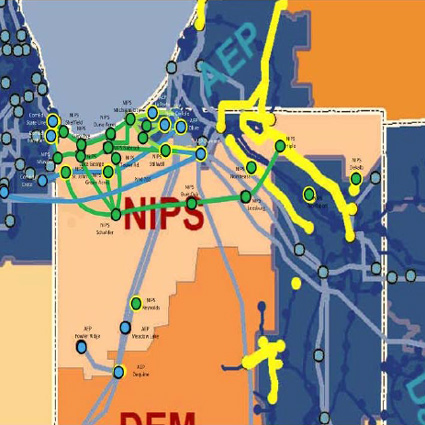
FERC ordered MISO and PJM to make changes in their interregional transmission planning process, granting in part a complaint by NIPSCO.
The U.S. Senate overwhelmingly passed its first major energy bill in almost a decade but faces a tight calendar to reach agreement with the House.
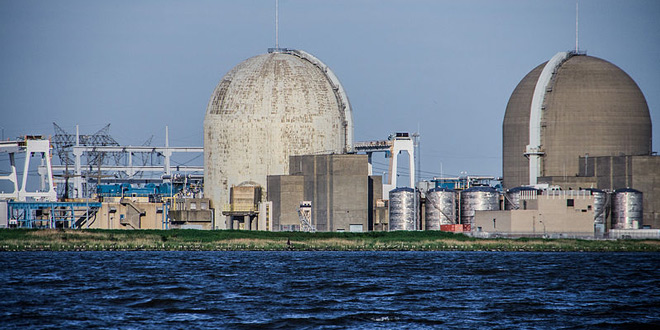
FERC approved the controversial cost allocation of two PJM projects: a stability fix for Artificial Island and the Bergen-Linden Corridor upgrade.
Want more? Advanced Search