Federal Energy Regulatory Commission (FERC)
The Federal Energy Regulatory Commission is an independent agency that regulates the interstate transmission of electricity, natural gas and oil; reviews proposals to build LNG terminals and interstate natural gas pipelines; and licenses hydropower projects. FERC also oversees operations of regional wholesale electricity and natural gas markets and oversees the reliability of the bulk electric system.
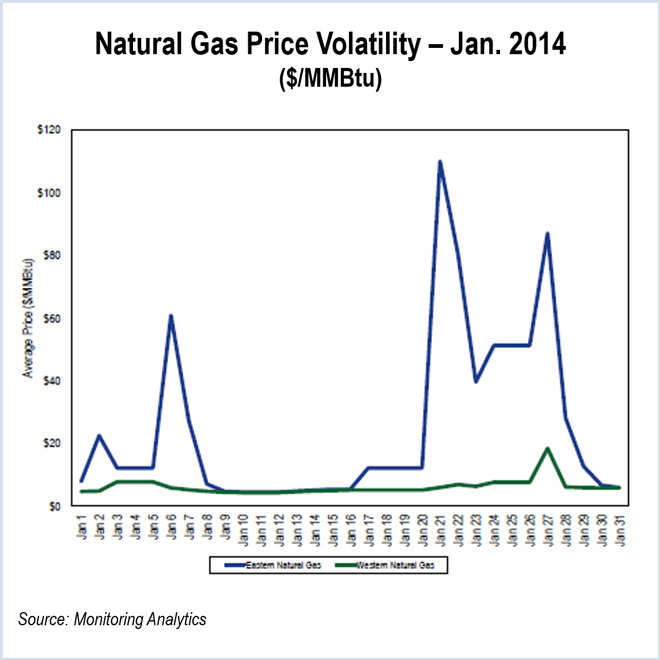
FERC reiterated its 2015 order rejecting New Jersey Energy Associates’ request for make-whole payments following the polar vortex.

FERC consolidated and set for hearing two return-on-equity complaints filed against Duke Energy Carolinas and Duke Energy Progress.
FERC denied Occidental Chemical on three fronts in the company’s battle against MISO and Entergy’s treatment of qualifying facilities.
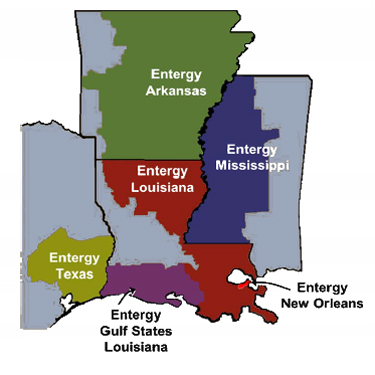
FERC affirmed its 2012 ruling requiring Entergy to make refunds to ratepayers because of an improper allocation of the sources of off-system energy sales.
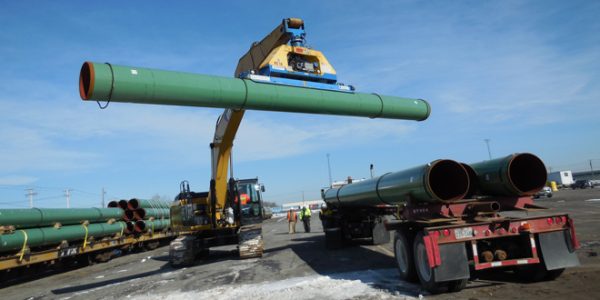
New York denied a water quality permit for the 124-mile Contitution Pipeline, that would have delivered shale gas from PA to eastern NY and New England.
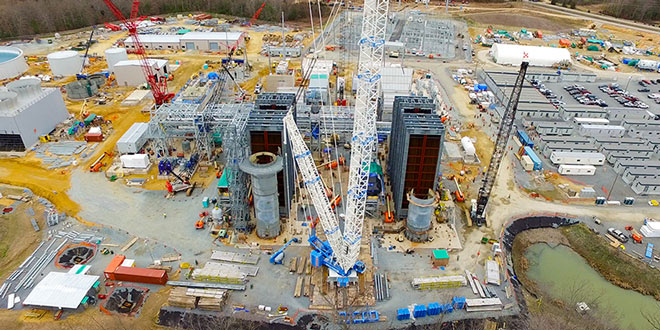
The Supreme Court rejected the Maryland PSC attempt to subsidize CPV's combined cycle plant, saying it interfered with FERC jurisdiction.

FERC accepted rule changes meant to prevent generation owners in ISO-NE from exercising market power by retiring resources that are still economic.
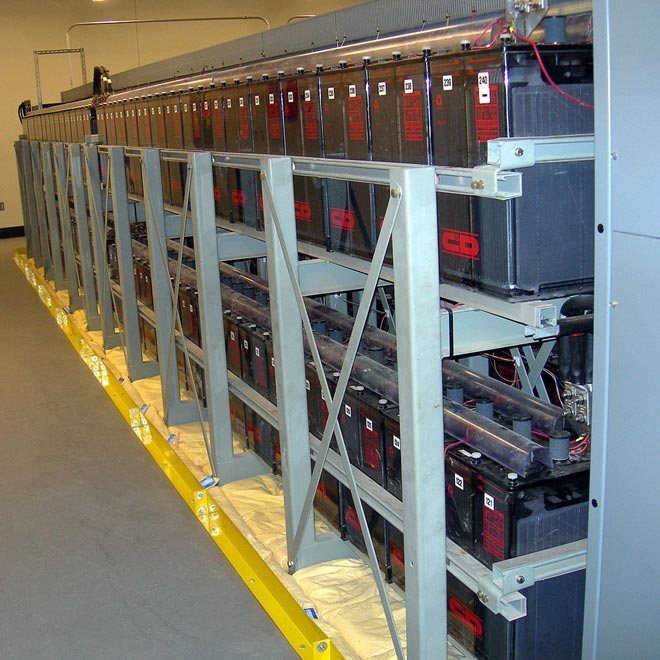
FERC is seeking comment on if, when and how energy storage can participate in the wholesale energy markets, questioning whether RTOs’ rules are creating barriers for the resource
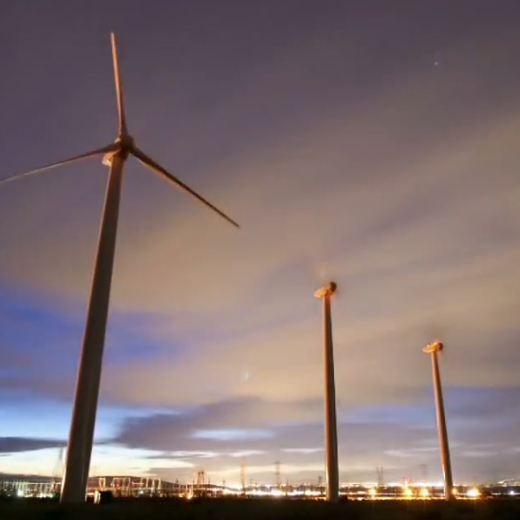
FERC has again upheld ISO-NE’s limited exemption for renewables from the RTO’s minimum offer price rule.

The FERC proposal to apply a new offer cap construct uniformly across the markets is a good and fair solution, ConEdison argues.
Want more? Advanced Search