Federal Energy Regulatory Commission (FERC)
The Federal Energy Regulatory Commission is an independent agency that regulates the interstate transmission of electricity, natural gas and oil; reviews proposals to build LNG terminals and interstate natural gas pipelines; and licenses hydropower projects. FERC also oversees operations of regional wholesale electricity and natural gas markets and oversees the reliability of the bulk electric system.
The CFTC proposed that electric capacity purchases and natural gas peaking supply contracts be exempt from regulation as swaps.
Eleven generating companies have asked FERC to expand the PJM minimum offer price rule (MOPR) in time for May’s 2019/20 Base Residual Auction.
MISO stakeholders say they do not expect perfect procedures at the seams with neighboring balancing areas, but they do want the RTO to implement reforms.
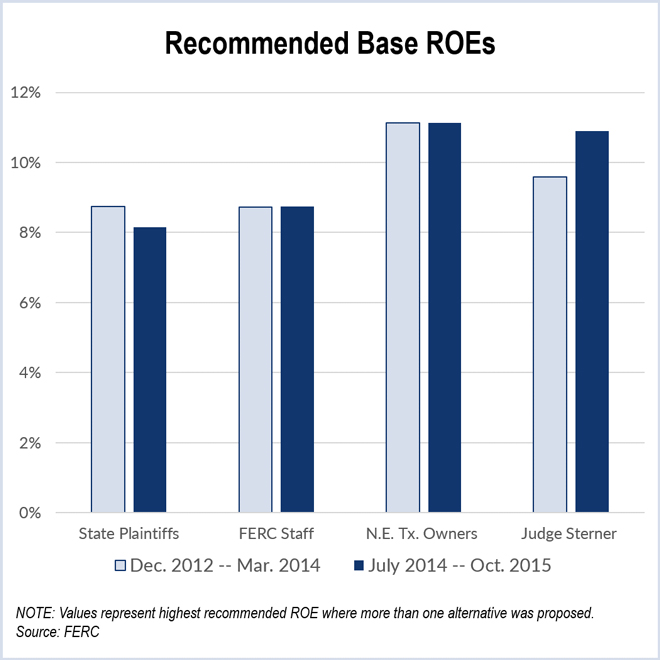
A FERC ALJ set the return on equity for transmission projects in New England lower than what transmission owners sought.
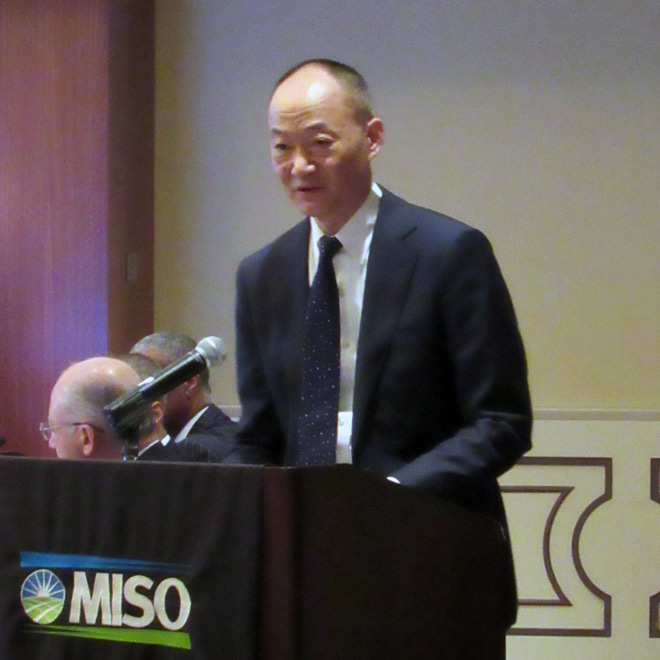
FERC Chairman Norman Bay joined the MISO Board of Directors in its discussion of Clean Power Plan modeling.

According to FERC's first transmission metrics report, all of the organized markets under FERC jurisdiction have regions showing signs of transmission underinvestment.
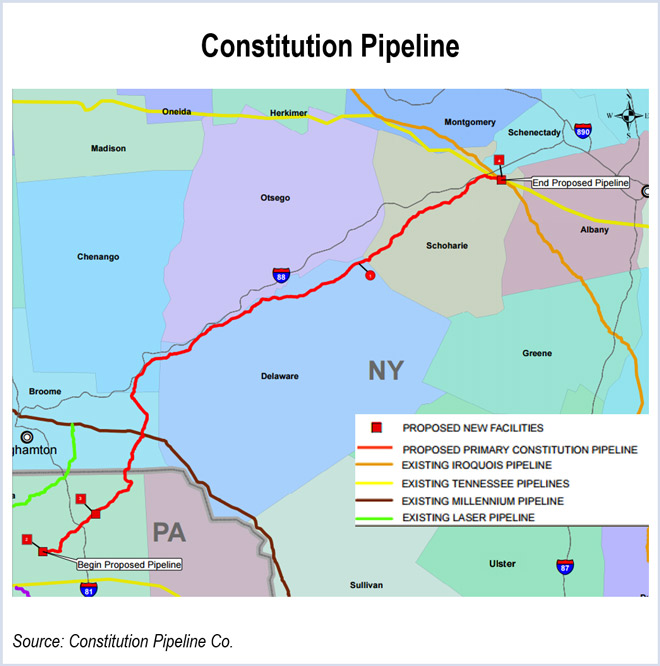
The developers of the Constitution Pipeline say the project will be delayed by nearly a year due to regulatory delays.

FERC granted Southwest Power Pool's (SPP) request to resettle past bills outside of the 365-day limit in its Tariff.
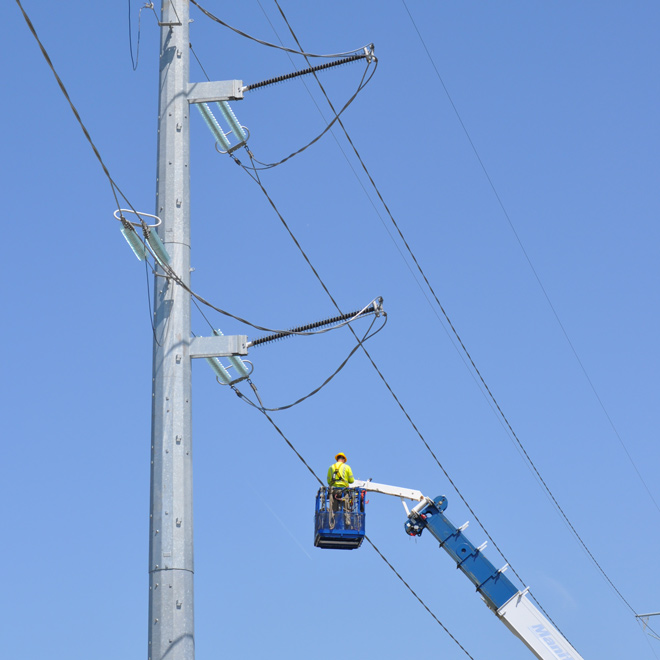
FERC denied ATSI’s request to rehear two 2011 orders in which it ruled that ATSI was not entitled to exit fees and legacy transmission costs.

FERC Waived the Public Utilities Regulatory Policies Act (PURPA) obligations for Heartland Consumers Power District customers.
Want more? Advanced Search