
Federal Energy Regulatory Commission (FERC)
The Federal Energy Regulatory Commission is an independent agency that regulates the interstate transmission of electricity, natural gas and oil; reviews proposals to build LNG terminals and interstate natural gas pipelines; and licenses hydropower projects. FERC also oversees operations of regional wholesale electricity and natural gas markets and oversees the reliability of the bulk electric system.
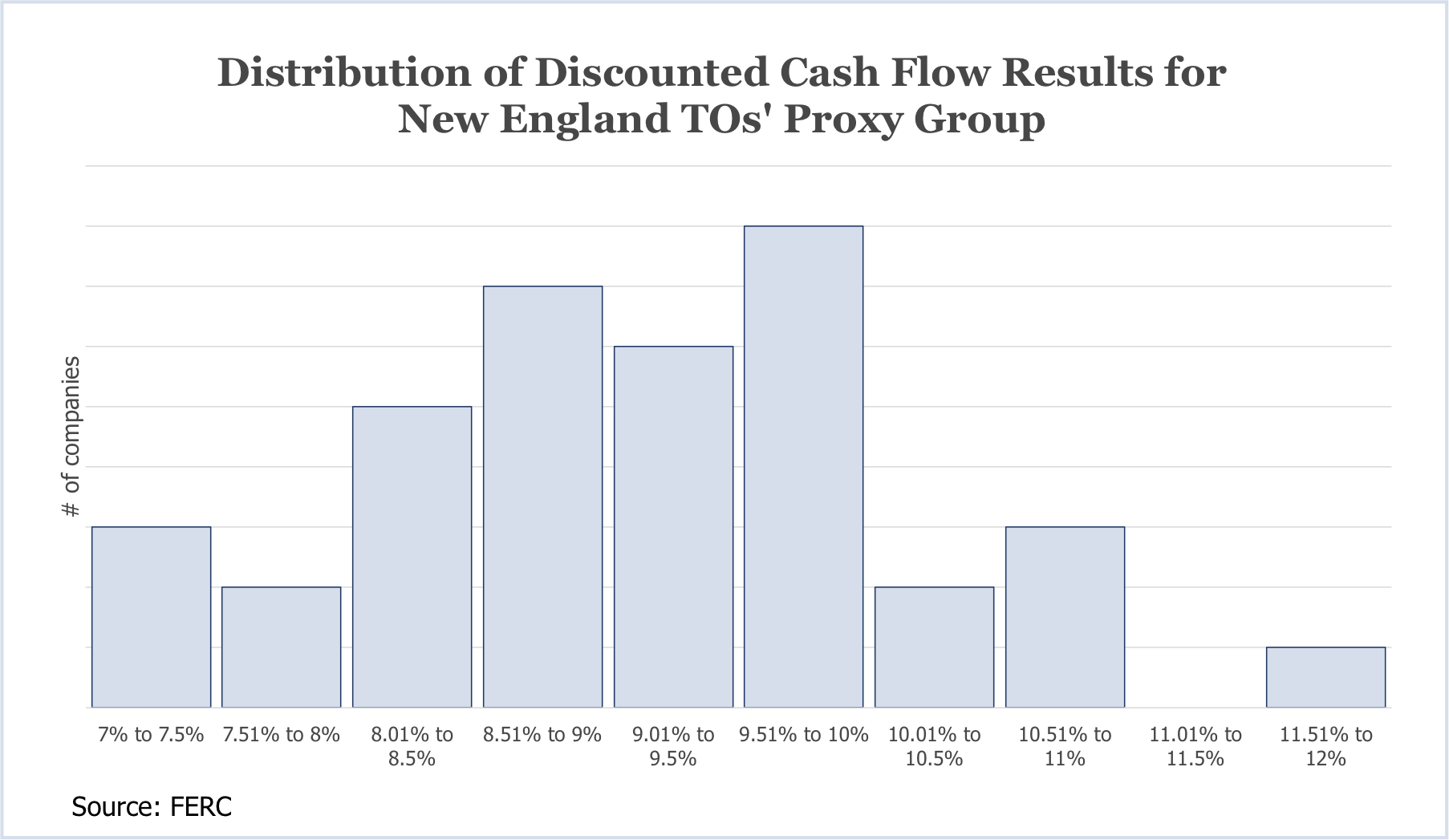
FERC agreed to change the way it calculates returns on equity rates for electric utilities but split over its first application of the new formula in a case involving New England transmission owners.
Utilities in New Jersey and Maryland are fighting an attempt by a Competitive Power Ventures to enforce contracts that federal courts last year ruled invalid.
FERC approved NERC reliability rules on geomagnetic disturbances, personnel training and capacity modeling.
News briefs on the federal agencies that impact those doing business in PJM's footprint. This week, we highlight the Environmental Protection Agency, Congress, the Federal Energy Regulatory Commission and the Nuclear Regulatory Commission.

A Senate panel today voted to confirm Norman Bay to FERC in a deal that will keep acting chair Cheryl LaFleur in her current role for nine months.
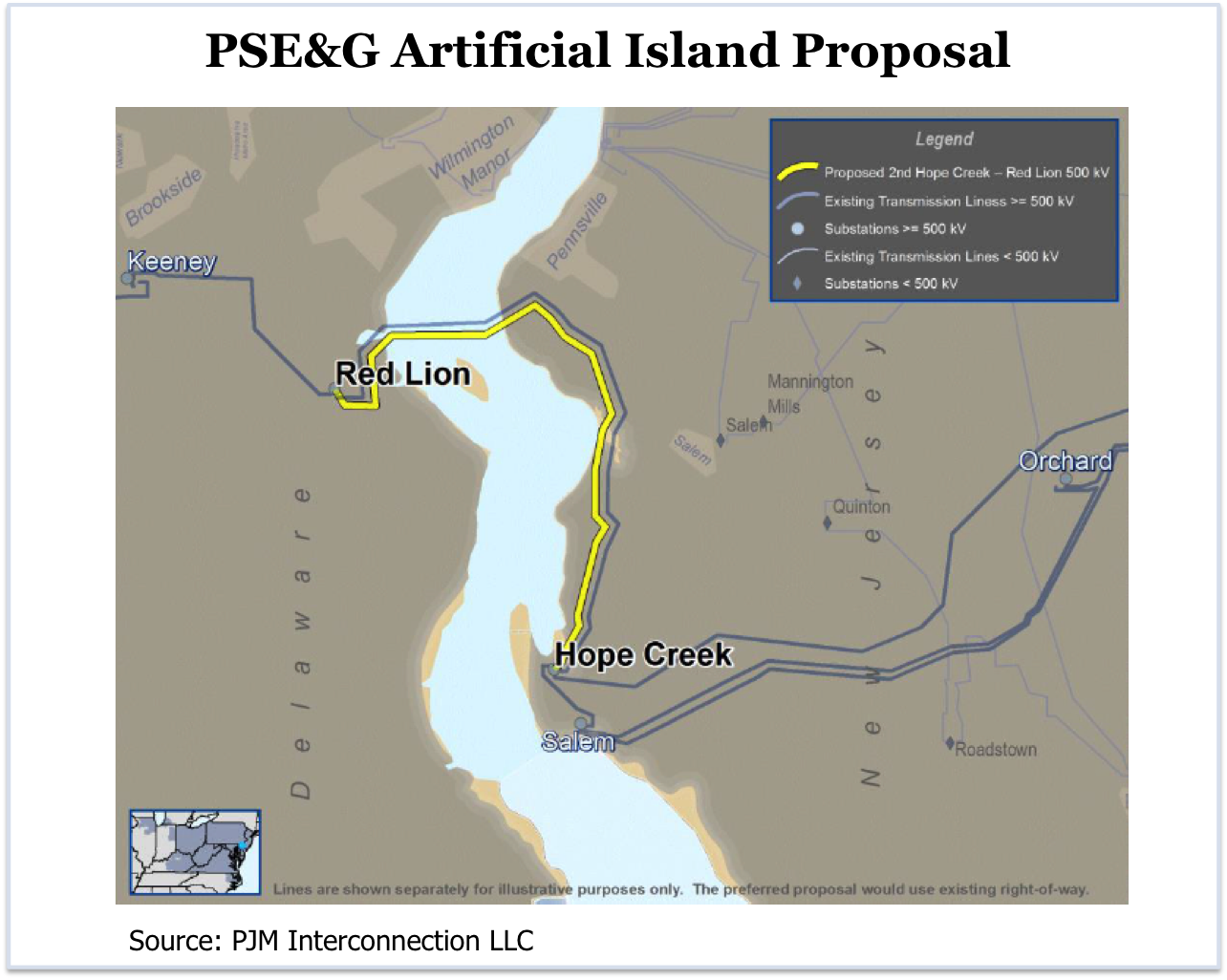
PJM planners today recommended PSE&G be awarded the contract to fix the Artificial Island stability problem with a new 500kV line at a cost of about $300 million.
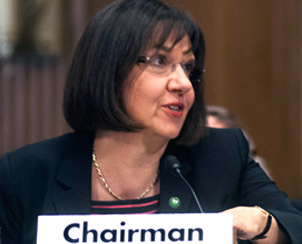
Norman Bay's case for confirmation as FERC chair wasn’t helped last week by the responses Acting Chair Cheryl LaFleur filed in response to Senators. LaFleur detailed seven enforcement cases in which she differed from Bay and her fellow commissioners.
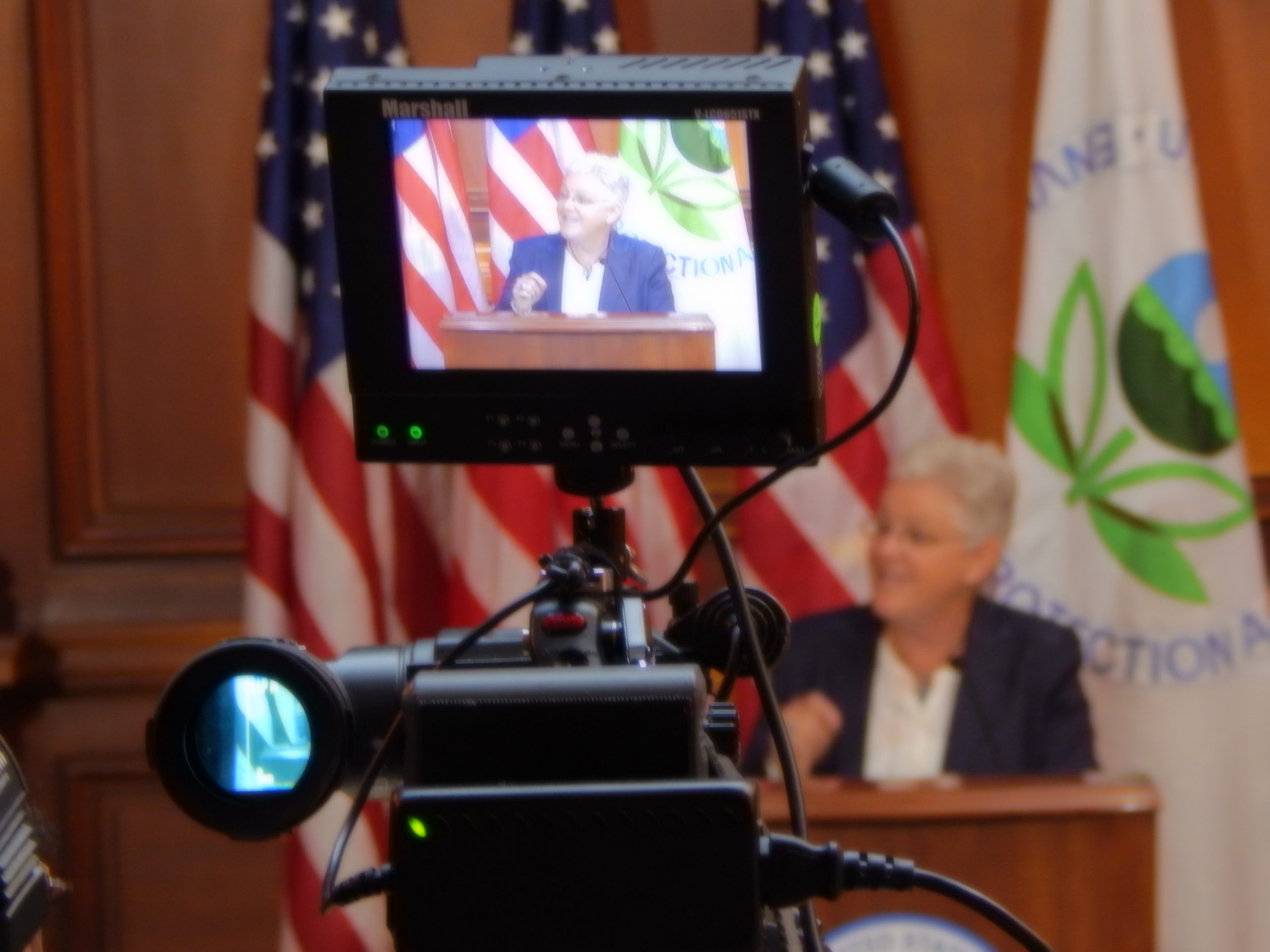
States could cut their costs of complying with the EPA’s carbon emission rules by more than one-quarter through 2020 by joining in a regional cap and trade program.
News briefs on the federal agencies that impact those doing business in PJM's footprint. This week, we highlight the FERC, NRC, the National Academy of Sciences and the Federal Bureau of Ocean Energy Management.

The EPA proposed carbon emission rules took fire last week from both Republicans and coal-state Democrats — who said it would cause economic woes — and environmentalists, who said it was an inadequate response to climate change.
Want more? Advanced Search
